Cocktail Archive: Gibson (United States)
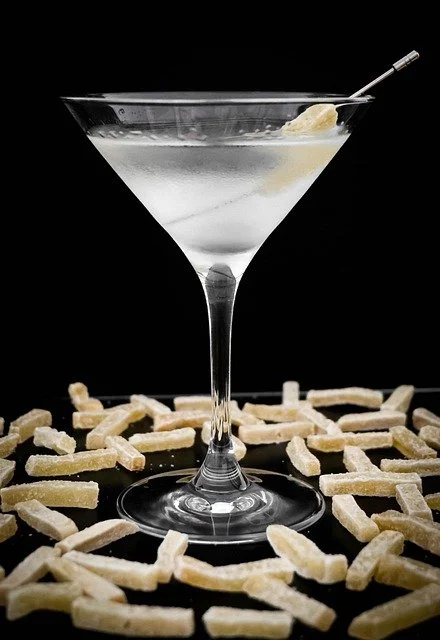
The Gibson presents itself quietly. Clear, chilled, and restrained, it looks deceptively familiar at first glance. Then the garnish shifts the experience. Where citrus or salinity might normally appear, the pickled onion introduces a soft savoury sweetness that gently alters the drink’s posture.
The aroma remains clean and composed, but the finish lingers with a subtle depth that feels rounded rather than sharp. The Gibson is not a drink of contrast through force. It is a drink of contrast through detail.
Origin & Cultural Context
The Gibson developed within early American cocktail culture as a close variation on existing gin-forward forms. Rather than changing structure, it redefined identity through garnish, demonstrating how a single element can reshape perception without altering balance.
This philosophy reflects a broader tradition in classic cocktails, where intention matters more than reinvention. Like the Manhattan or the Old Fashioned, the Gibson values proportion, clarity, and restraint over novelty.
What Defines the Gibson
The Gibson is defined by subtle savoury depth. Gin provides structure and aroma, dry vermouth softens the edges, and the pickled onion adds a gentle sweetness that sits between acidity and umami. Compared to the bitterness-forward profile of the Negroni, the Gibson feels quieter and more composed.
Its appeal lies in how little it asks for attention. Every component is present in moderation, allowing the drink to feel precise without being severe.
Ingredients
Gin
Dry vermouth
Pickled cocktail onion
Equipment Needed
Mixing glass
Bar spoon
Strainer
Chilled martini glass
Method
Add gin and dry vermouth to a mixing glass filled with ice
Stir until thoroughly chilled and properly diluted
Strain into a chilled martini glass
Garnish with a pickled onion and serve immediately
Batch Smarter, Serve Faster
Planning drinks for a party or event? Our Pre-Batch Calculator helps you scale recipes accurately, so every guest gets the perfect pour without the guesswork.
Notes & Variations
Onion quality is essential. It should be lightly pickled, crisp, and balanced, never aggressively sour. Vermouth freshness remains critical, as oxidation quickly dulls aroma and texture. Ice should be cold and plentiful to allow slow, even dilution.
The Gibson often appeals to drinkers who value discipline and proportion, much like those drawn to the Boulevardier, though the Gibson expresses that restraint through savoury nuance rather than bitterness.
When to Drink It
This is a cocktail for early evenings and deliberate pacing. It works well before dinner or in quiet settings where conversation carries the night. Served cold and unadorned, it invites attention without demanding it.
For readers interested in how minimal presentation shapes experience, the art of garnishing offers helpful insight, while the ultimate guide to bar etiquette explores the rituals that suit a drink built on intention.
The Gibson endures because it understands restraint. Quietly savoury, balanced, and exacting, it remains a choice for those who appreciate precision over performance.