
Cocktail Archive: Old Fashioned (United States)
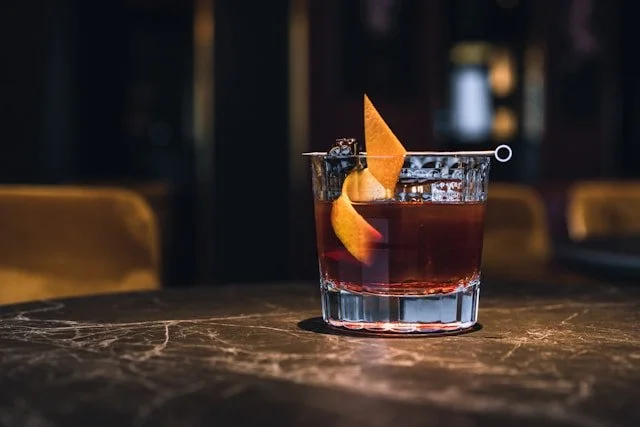
The Old Fashioned is deliberate by nature. Quiet, steady, and unadorned, it belongs to dim rooms and unhurried evenings. Served low and strong, it asks for attention not through complexity, but through balance and restraint. This is a drink that does not distract. It settles in and stays.
There is a gravity to the Old Fashioned that makes it feel timeless. Each element is exposed, each decision felt. The spirit is not softened or disguised, only guided. With every sip, warmth unfolds slowly, shaped by sugar and bitterness rather than masked by them. It is less a cocktail than a conversation between ingredients.
Origin & Cultural Context
The Old Fashioned traces its roots to the early days of American cocktails, when the word cocktail itself referred simply to spirits, sugar, water, and bitters. As drinks became more elaborate in the late 19th century, some drinkers began asking for their cocktails made the old fashioned way, returning to the original formula.
Over time, the name stuck. What began as a preference became an identity. The Old Fashioned endured through changing tastes, Prohibition, and revival, emerging each time as a reference point for what a cocktail could be when nothing unnecessary was added.
What Defines the Old Fashioned
The Old Fashioned is defined by clarity and structure. A base spirit carries the drink, sugar rounds its edges, bitters provide depth, and dilution brings everything into focus. Compared to spirit-forward classics like the Manhattan, it feels more elemental, offering less complexity but more direct expression.
Ingredients
Bourbon or rye whiskey
Sugar cube or simple syrup
Angostura bitters
Orange peel
Equipment Needed
Rocks glass
Bar spoon
Method
Add sugar and bitters to a rocks glass
Muddle gently until the sugar dissolves
Add whiskey and a large amount of ice
Stir until well chilled and properly diluted
Express orange peel over the surface and garnish

Batch Smarter, Serve Faster
Planning drinks for a party or event? Our Pre-Batch Calculator helps you scale recipes accurately, so every guest gets the perfect pour without the guesswork.
Notes & Variations
Choice of spirit defines the character. Bourbon brings sweetness and softness, while rye introduces spice and dryness. Many modern versions use simple syrup for consistency, though the sugar cube remains traditional.
Variations often introduce flavoured syrups or additional bitters, but restraint remains key. When adjusted thoughtfully, the drink expands. When overworked, it loses its centre.
When to Drink It
The Old Fashioned belongs to late evening. It suits quiet focus, reflective moods, and moments when strength feels appropriate. It is rarely rushed and never casual, asking the drinker to meet it halfway.
The Old Fashioned remains relevant because it never changed to follow trends. It simply waited for them to pass.
