Cocktail Archive: Manhattan (United States)
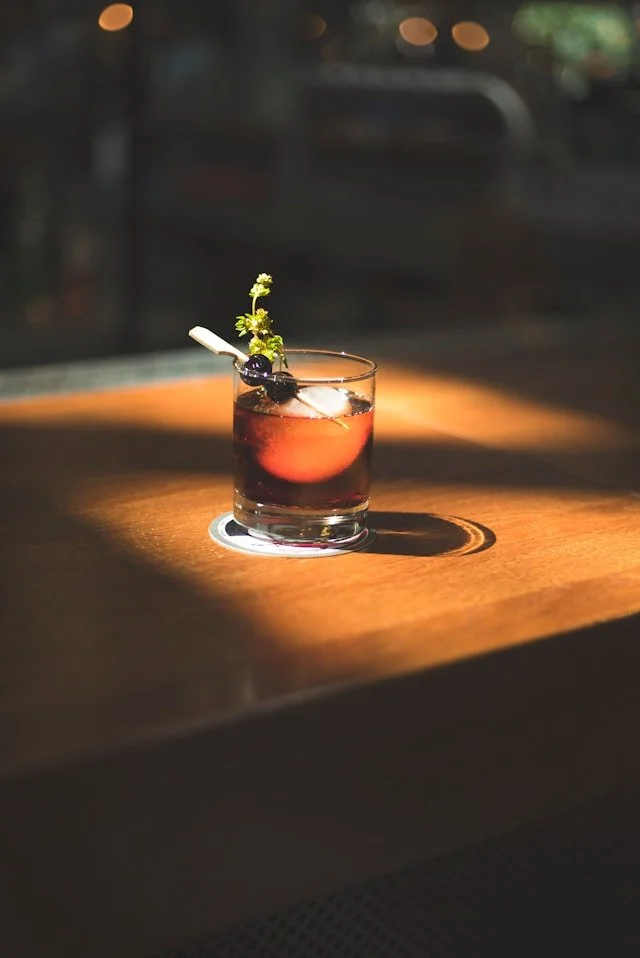
The Manhattan is composed and self-assured. Smooth, aromatic, and quietly formal, it belongs to evening settings where intention matters. Served up and unapologetically spirit-forward, it carries a sense of order, a feeling that everything in the glass has been placed there deliberately.
There is refinement in the Manhattan’s balance. The whiskey remains present, but softened by vermouth and shaped by bitters. Each sip feels measured, layered, and precise. It does not evolve dramatically as it warms, nor does it surprise. Instead, it offers consistency, rewarding those who appreciate steadiness and control.
Origin & Cultural Context
The Manhattan emerged in New York City in the late 19th century, during a period when cocktails were becoming more defined and more elegant. One popular story places its creation at the Manhattan Club, though like many classics, its exact origin remains less important than its influence.
What is certain is that the Manhattan became a benchmark for spirit-forward cocktails. It established a template that would inspire countless variations, from the Rob Roy to the Brooklyn, and helped shape American cocktail culture around structure rather than ornament.
What Defines the Manhattan
The Manhattan is defined by harmony between strength and aromatics. Whiskey provides depth, sweet vermouth adds richness, and bitters bring clarity. Compared to the Old Fashioned, it feels more rounded and composed, with less emphasis on raw spirit and more on integration.
Ingredients
Rye whiskey or bourbon
Sweet vermouth
Angostura bitters
Cherry or lemon peel
Equipment Needed
Mixing glass
Bar spoon
Strainer
Chilled coupe or martini glass
Method
Add whiskey, sweet vermouth, and bitters to a mixing glass with ice
Stir until well chilled and properly diluted
Strain into a chilled glass
Garnish with a cherry or expressed lemon peel
Batch Smarter, Serve Faster
Planning drinks for a party or event? Our Pre-Batch Calculator helps you scale recipes accurately, so every guest gets the perfect pour without the guesswork.
Notes & Variations
Rye whiskey remains the traditional choice, offering spice and structure, while bourbon creates a softer, sweeter profile. Vermouth quality and freshness are essential, as it plays a central role rather than a supporting one.
Variations such as the Perfect Manhattan adjust the vermouth balance, while others replace the base spirit entirely. Each remains anchored to the same fundamental structure.
When to Drink It
The Manhattan suits the later part of the evening, when focus narrows and conversation deepens. It is best enjoyed slowly, without distraction, in settings that favour calm over noise.
Its longevity comes from discipline. The Manhattan does not seek reinvention. It endures by doing exactly what it was designed to do, with precision and confidence.