
Coffee Classics: Senegalese Café Touba (Senegal)
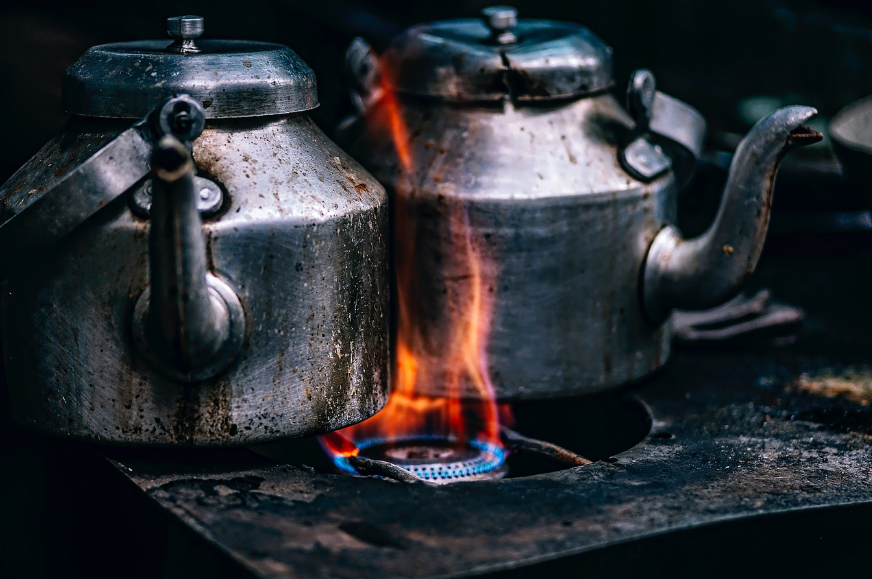
Café Touba is one of West Africa’s most distinctive coffee traditions. Born within the Mouride brotherhood and shaped by spiritual ritual, this coffee carries a bold character defined by heat, depth, and aromatic spice. At its core is djar, a variety of Guinea pepper that infuses the brew with gentle warmth and a lingering, almost perfumed finish. The flavour is powerful but comforting, with a rhythm that reflects the markets, streets, and morning gatherings across Senegal.
Café Touba is often sold by street vendors who brew large batches in tall metal pots, filling the air with a fragrant mixture of coffee and pepper. The aroma can stop you mid-step. It is roasted coffee layered with spice, grounded by sweetness, and lifted by the bright top notes of the pepper. You find a similar sense of aromatic presence in places like Sarnies Café Sukhumvit, where bold roasting choices shape the entire atmosphere of the café.
Although the drink may seem simple at first glance, its preparation asks for patience and care. The pepper must be crushed lightly so it releases its warmth without turning sharp. The coffee must be roasted dark enough to carry the spice but not so dark that the flavour becomes heavy. Brewing is slow, steady, and intentional. In many ways, the mindfulness behind this cup parallels the sensory discipline seen at Ogawa Coffee, where attention guides every movement from grind to pour.
Café Touba is more than its ingredients. It is a cultural connector, a drink served during gatherings, prayers, commutes, and moments of rest. Its aroma announces its presence before the cup is even poured. One sip carries warmth through the chest, followed by a subtle tingle from the pepper. It is a cup built to awaken both body and spirit.
Dark roast brightened by spice.
Heat balanced with sweetness.
A sip that carries its own quiet fire.
Ingredients
For two to three servings:
2 tablespoons dark roasted coffee beans
1 to 2 teaspoons djar (Guinea pepper), lightly crushed
1 cup water (240 ml)
1 to 2 teaspoons sugar, or more to taste
Equipment Needed
Essential
Small pot or kettle
Allows full infusion of pepper without burning it.
Mortar and pestle
Light crushing releases essential oils from the pepper.
Fine-mesh strainer
Helps remove pepper fragments for a smoother cup.
Optional
Manual coffee grinder
For adjusting grind size to match your extraction style.
Stainless steel filter basket
Useful for preparing larger batches.
Why These Tools Matter
The pot gives you control over heat, which is critical for balancing spice extraction.
Crushing djar by hand produces a fresher, more aromatic flavour.
Strainers prevent bitterness that comes from over-extraction of fine particles.
Method
1. Crush the Pepper
Use a mortar and pestle to crush the djar lightly.
Do not grind it into powder. A coarse texture gives the brew warmth without overwhelming heat.
2. Warm the Water
Add 1 cup of water to the pot and heat until steam forms at the surface.
This gentle temperature is ideal for releasing spice aroma.
3. Add the Coffee and Pepper
Stir in the ground coffee and crushed pepper.
Keep heat at medium low.
The mixture should steep and simmer, not boil aggressively.
4. Simmer Slowly
Simmer for 3 to 5 minutes.
The coffee will darken and the aroma will grow more complex as the pepper releases its oils.
5. Sweeten the Brew
Add sugar to taste.
Café Touba is traditionally sweet, which balances the pepper’s warmth.
6. Rest and Strain
Turn off the heat and allow the brew to settle for 1 minute.
Pour through a fine-mesh strainer into small cups.
7. Serve Warm
Café Touba is best enjoyed hot so the pepper remains fragrant and bright.
Notes
Café Touba uses djar, not standard black pepper. The flavour is smoother, warmer, and slightly citrusy.
Dark roasted beans create the best balance with Guinea pepper.
For brewing comparisons across cultures, see How to Choose the Right Brewing Method.
To explore how coffee traditions connect globally, visit 20 Must-Try Classic Coffee Beverages From Around the World.
If you enjoy aromatic, spice-driven beverages, consider contrasting this with the flavour clarity found in the drinks at Ogawa Coffee.
