Cocktail Archive: Daiquiri (Cuba)
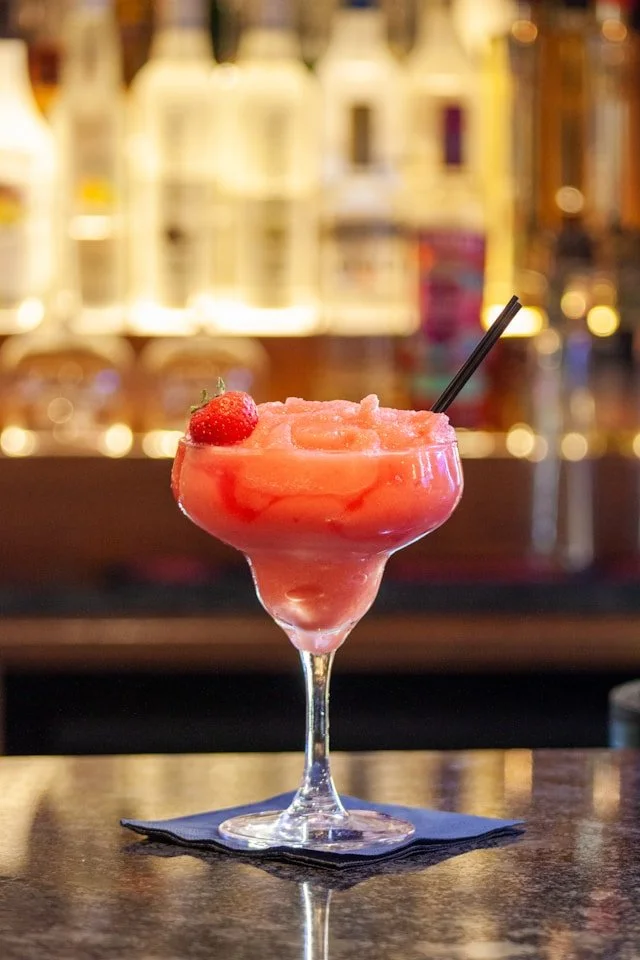
The Daiquiri is clarity in its purest form. Cold, precise, and quietly expressive, it arrives without garnish or spectacle. Lime leads with brightness, rum follows with warmth, and sweetness exists only to hold the line between the two. When made well, nothing feels added. Nothing feels missing.
This is a cocktail that rewards restraint. It does not rely on novelty or excess. Instead, it reveals its quality through balance and texture, sip by sip. Often misunderstood as something frozen or overly sweet, the true Daiquiri is disciplined, refreshing, and exacting in its simplicity.
Origin & Cultural Context
The Daiquiri originated in Cuba in the late 19th century, emerging from a tradition of combining spirit, citrus, and sugar in clean, functional proportions. Its structure reflects tropical practicality rather than indulgence, built to cool, refresh, and revive without dulling the palate.
In the wider cocktail canon, the Daiquiri holds the same foundational role for rum that the Whiskey Sour holds for whisky. Both establish a baseline for how spirit and citrus should interact. Understanding the Daiquiri is understanding one of the core pillars of mixed drinks.
What Defines the Daiquiri
The Daiquiri is defined by balance stripped to essentials. Rum provides body and character, lime brings tension and clarity, and sugar smooths the transition without asserting itself. Compared to a spirit-forward classic like the Old Fashioned, the Daiquiri feels lighter and more immediate, built to refresh rather than settle.
It also differs fundamentally from bittersweet aperitifs such as the Negroni. Where those drinks slow the palate, the Daiquiri sharpens it. Everything is exposed, which is why precision matters so much.
Ingredients
White rum
Fresh lime juice
Simple syrup
Equipment Needed
Shaker
Fine strainer
Chilled coupe glass
Method
Add rum, fresh lime juice, and simple syrup to a shaker filled with ice
Shake firmly until well chilled
Double strain into a chilled coupe
Serve immediately
Notes & Variations
Fresh lime juice is non-negotiable. Even slight oxidation dulls the drink and disrupts its balance. Sweetness should remain subtle, supporting the rum rather than competing with it. The Daiquiri tolerates no excess, which is why it is often used by bartenders as a benchmark drink.
Presentation should stay clean. The absence of garnish is intentional, not an oversight. The art of garnishing explains why some drinks benefit from restraint more than decoration.
When to Drink It
The Daiquiri suits warm evenings, early hours, and moments when refreshment matters more than weight. It works as an aperitif, a first round, or a reset between heavier drinks. Served ice-cold and properly balanced, it clears the palate and focuses the senses.
Knowing when and how to order it enhances the experience. The ultimate guide to bar etiquette explores pacing and context, while how to pair cocktails with food offers insight into why a drink this clean works so well alongside lighter dishes.
The Daiquiri endures because it refuses to hide. Honest, balanced, and exact, it remains one of the clearest expressions of what a cocktail can be when nothing unnecessary gets in the way.