
Coffee Classics: Vietnamese Egg Coffee (Vietnam)
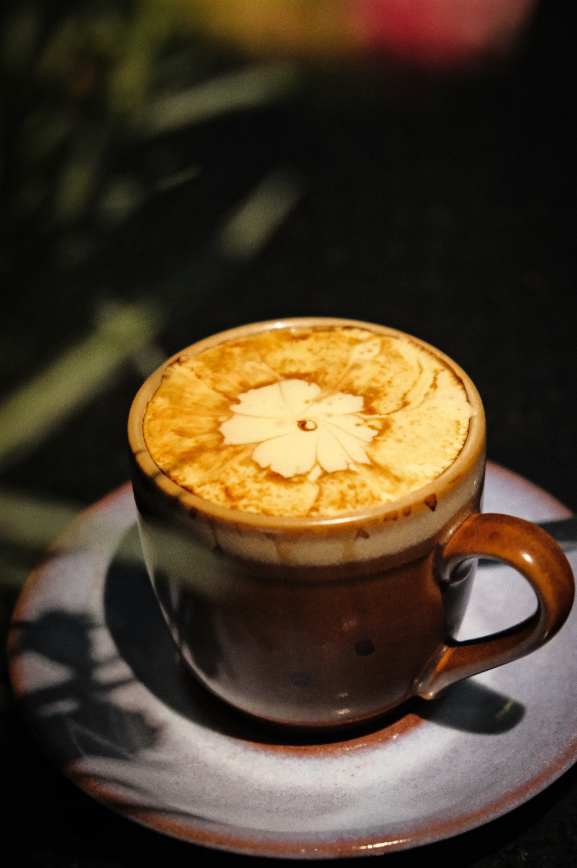
Vietnamese Egg Coffee, known as cà phê trứng, is one of the most luxurious coffee experiences in the world. It is creamy, fragrant, silky, and almost dessert-like, yet still unmistakably a coffee drink. Created in Hanoi during the mid-20th century when milk was scarce, this recipe used egg yolks, sugar, and condensed milk to produce a velvety foam that sits over strong Vietnamese coffee. The contrast is beautiful. Bitter depth beneath sweet, custard-like softness.
The heart of Egg Coffee is its foam. When whisked properly, the yolks become light, airy, and aromatic, developing a texture that floats effortlessly over the dark coffee below. It is a drink that blends comfort with craft, and its structure mirrors the layered precision seen in cafés such as Ogawa Coffee, where the balance between density and delicacy defines each cup. Vietnamese robusta coffee forms the foundation, delivering bold flavour and a rich crema that holds the foam in place.
Egg Coffee feels indulgent, yet the method is simple. Today, many variations exist, but the original version remains deeply tied to Hanoi’s old cafés, where the drink is often served in small cups placed inside a warm water bath to maintain heat. This gentle warmth creates an aroma reminiscent of caramel, condensed milk, and soft sweetness. The sensory experience invites comparison to sweet milk-forward classics like Café au Lait, though the flavour of Egg Coffee is far richer and more layered.
What sets Vietnamese Egg Coffee apart is its ability to feel both comforting and celebratory. It is often enjoyed slowly, with a spoon, allowing the foam to mix gradually into the coffee. The moment the first sip touches the tongue, it becomes clear why this drink is beloved across Vietnam and cherished by travellers worldwide.
Warm foam rising.
Dark coffee shimmering underneath.
A dessert in a cup, held with both hands.
Ingredients
For one serving:
1 strong shot of Vietnamese robusta coffee or 60 ml strong brewed coffee
1 pasteurized egg yolk
1 tablespoon sweetened condensed milk
1 teaspoon sugar
1 teaspoon vanilla extract (optional)
Hot water for warming the cup
Coffee recommendations:
Vietnamese robusta for authenticity and strong crema
Espresso as an alternative if robusta is unavailable
Equipment Needed
Essential
Small mixing bowl
Wide enough for vigorous whisking.Hand whisk or electric mixer
Creates the thick, airy foam essential to Egg Coffee.Heatproof coffee cup
Traditional versions use a small cup placed in warm water to retain heat.
Optional
Double boiler or small saucepan
Useful for maintaining a warm water bath for serving.Fine strainer
Can remove chalaza from the egg yolk for a smoother texture.
Why These Tools Matter
The whisk incorporates air rapidly into the egg mixture, forming soft peaks.
Condensed milk provides stability and sweetness, helping the foam hold shape.
A water bath keeps the drink warm without curdling the egg foam.
Method
1. Brew the Coffee
Prepare a strong, concentrated shot using Vietnamese robusta or espresso.
Pour it into a heatproof cup.
Place the cup inside a bowl of hot water to keep it warm while preparing the foam.
2. Whip the Egg Foam
In a mixing bowl, combine the pasteurized egg yolk, condensed milk, sugar, and vanilla if using.
Whisk vigorously for 3 to 5 minutes until pale, thick, and glossy.
An electric mixer will produce a lighter, creamier foam in about 1 minute.
3. Check the Texture
The foam should be light but stable, similar to soft whipped cream.
If it runs off the spoon, whisk longer.
Proper aeration gives Egg Coffee its signature mouthfeel.
4. Assemble the Drink
Pour the whipped egg foam gently over the warm coffee.
Aim for a thick, even layer floating on top.
Do not stir immediately. Allow the layers to remain distinct.
5. Serve
Serve in the warm water bath to retain temperature.
Enjoy by spooning foam into the coffee or gently sipping through the top.
Notes
Always use fresh pasteurized eggs to ensure the foam is stable and clean in flavour.
Condensed milk adds sweetness but also helps emulsify the foam and create smoothness.
Vietnamese robusta coffee is ideal because its bold bitterness balances the rich, sweet foam.
For those exploring brewing culture globally, 20 Must-Try Classic Coffee Beverages From Around the World showcases where Egg Coffee sits among other iconic drinks.
To refine brewing technique or contrast extraction styles, see How to Choose the Right Brewing Method.
