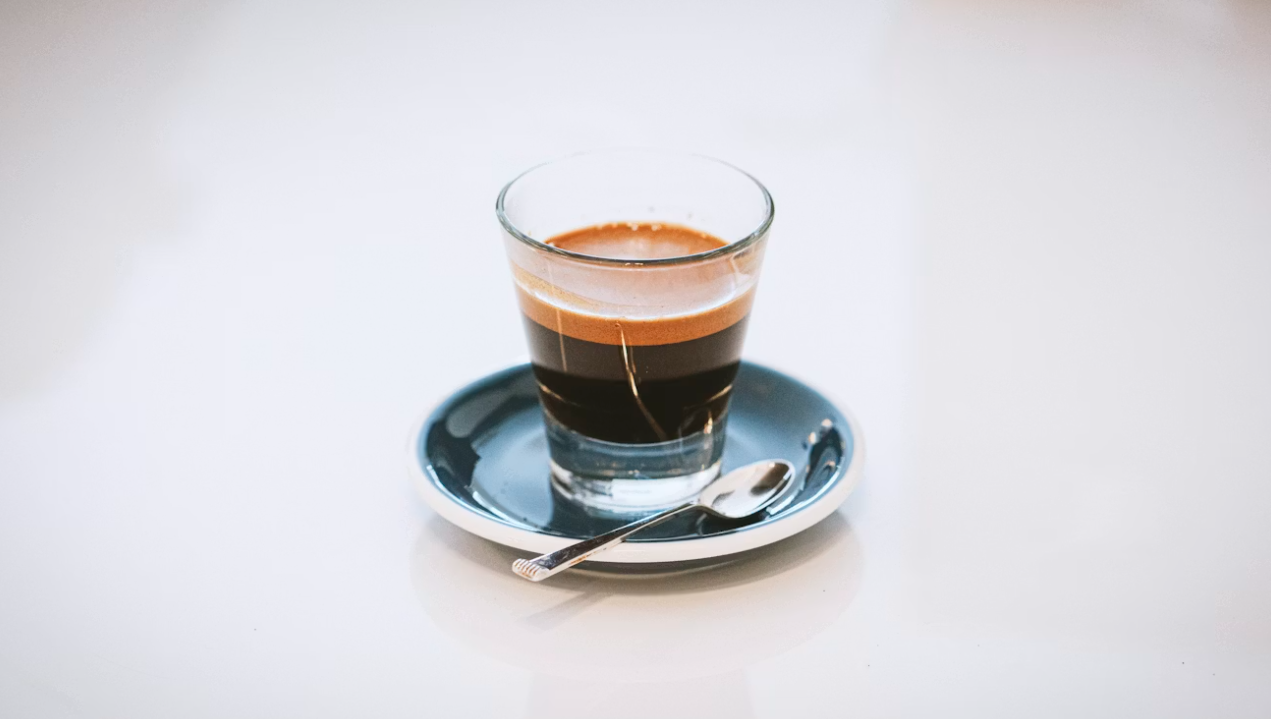
A Beginner’s Guide to Understanding Specialty Coffee: From Beans to Brewing

You’ve heard the term “specialty coffee” everywhere — but what does it actually mean? Beyond buzzwords and tasting notes lies a system of sourcing, roasting, and brewing precision that transforms coffee from routine into craft.
Specialty coffee isn’t just about better beans — it’s an entire way of thinking. It values transparency, craft, sustainability, and flavour clarity. For newcomers, the terminology alone can feel intimidating, but the heart of specialty coffee is simple: understanding what you’re drinking and why it tastes the way it does.
This beginner-friendly guide breaks down the essentials, helping you navigate café menus, choose beans confidently, and brew with intention.
What Makes Coffee “Specialty”?
Specialty coffee refers to beans graded 80+ points on a 100-point scale, grown under ideal conditions, harvested with care, and roasted for flavour — not just strength.
Key characteristics:
Traceable origin
High-quality processing
Ethical sourcing
Balanced, expressive flavours
Fresh roasting and proper storage
It’s coffee that respects both the farmer and the drinker.
Understanding Coffee Origins
Just like wine, coffee flavour depends heavily on where it comes from.
Ethiopia
Floral, fruity, tea-like.
Often considered the birthplace of coffee.
Colombia
Balanced, sweet, nutty.
A crowd-pleasing profile.
Kenya
Bright, bold acidity with berry notes.
Famous for its juicy, complex cups.
Brazil
Chocolatey, nutty, low acidity.
Often used in espresso blends.
Indonesia
Earthy, spicy, full-bodied.
Sumatran coffees are especially distinctive.
Different origins offer different personalities — exploring them is part of the joy.
Processing Methods Explained
Processing determines how coffee cherries become the dried beans we roast.
It has huge influence on flavour.
Washed
Clean, bright, structured.
Cherries are pulped and washed before drying.
Natural
Fruity, sweet, full-bodied.
Beans dry inside the fruit — like sun-dried grapes.
Honey-Processed
Balanced, tropical, lightly sweet.
Mucilage remains on the bean during drying.
Anaerobic / Fermented
Experimental, aromatic, sometimes funky.
Beans ferment in sealed tanks.
Understanding processing helps you predict flavour before you even taste the cup.
Roast Levels and Their Flavour
Roast affects acidity, sweetness, and bitterness.
Light Roast
Bright, fruity, tea-like aromatics.
Best for filter coffee.
Medium Roast
Balanced, rounded, versatile.
Great for both filter and espresso.
Dark Roast
Bold, smoky, chocolatey.
Often used to cut through milk-based drinks.
There’s no wrong roast — just personal preference.
Grind Size: The Silent Variable
Even with great beans, the wrong grind size can ruin a brew.
Fine grind: espresso
Medium-fine: pour over / Aeropress
Medium: drip machines
Coarse: French press / cold brew
Rule of thumb:
If coffee tastes sour → grind finer.
If it tastes bitter → grind coarser.
Water: The Hidden Ingredient
Coffee is 98 percent water, so your water matters.
Good brewing water should be:
Clean
Low in minerals
Not too hard
Odour-free
Filtered water often works best.
Brewing Basics for Beginners
Pour Over
Clean, aromatic, great for highlighting origins.
French Press
Full-bodied and rich; less precise but very approachable.
Espresso
Concentrated and intense; requires skill and equipment.
Moka Pot
A home-friendly alternative to espresso with a nostalgic charm.
Cold Brew
Smooth, low-acid, easy to batch.
Each method brings out different characteristics in the same coffee.
How to Read a Specialty Coffee Label
A good bag of specialty coffee will tell you:
Origin
Farm or region
Altitude
Processing
Variety
Roast date
Tasting notes
These details help you choose coffee intentionally rather than randomly.
Final Thoughts
Specialty coffee isn’t about elitism — it’s about understanding.
Once you learn the basics, every bag, every cup, and every café visit becomes more meaningful. The world of coffee opens up, not as something complicated, but something richly diverse and endlessly enjoyable.
More Ways To Up Your Coffee Experience