10 Coffee Practices That Quietly Improve Every Cup (Without Buying Anything New)




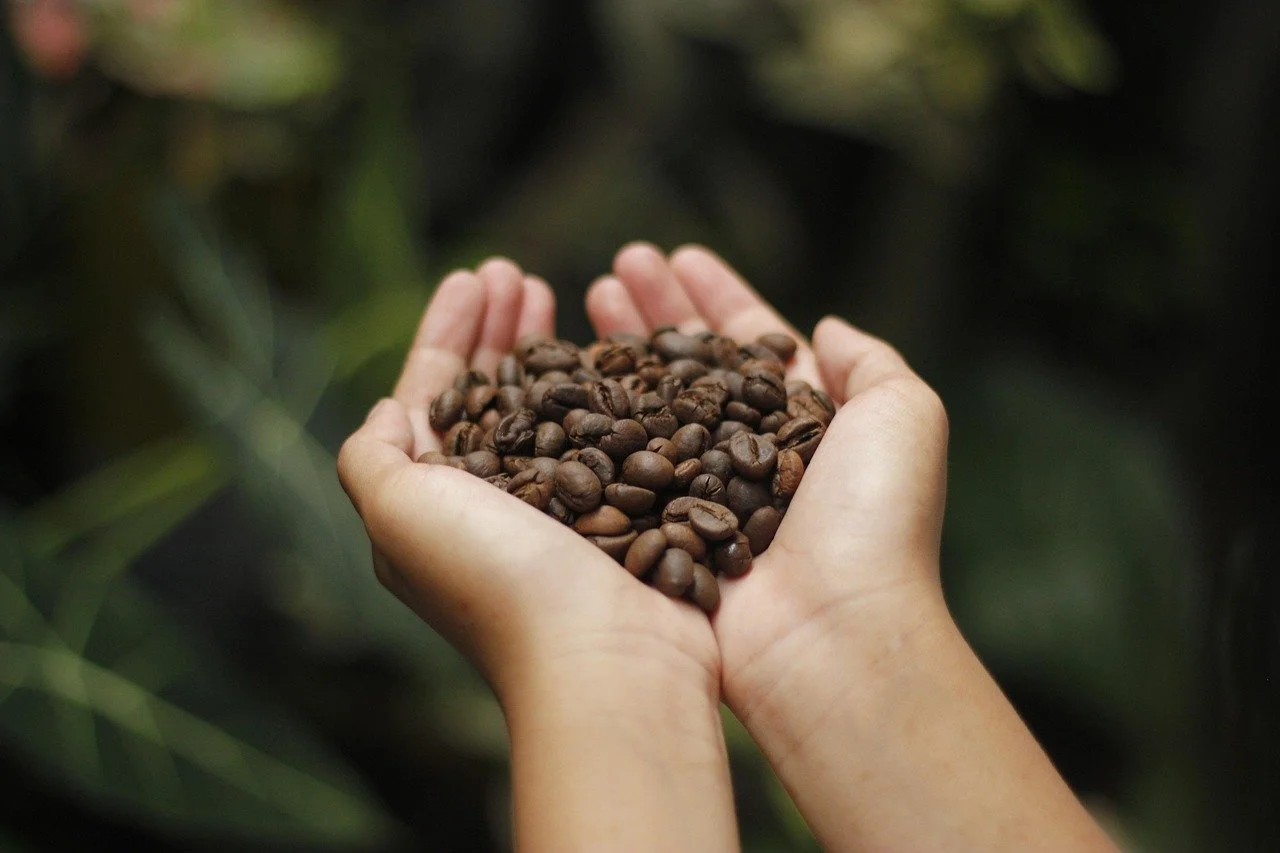
Great coffee isn’t the result of constant upgrading. It comes from noticing what most people rush past — heat, timing, texture, and attention. These ten practices don’t promise dramatic transformation. They offer something better: consistency, clarity, and confidence.
Coffee improves when the drinker slows down.
1. Letting Coffee Rest Before Drinking
Freshly brewed coffee is often too volatile to judge. Aromas escape quickly, acidity dominates, and texture hasn’t settled.
Allowing the cup to rest for a minute or two gives structure time to emerge. Sweetness becomes clearer. Bitterness softens. What felt sharp begins to feel intentional.
Coffee isn’t late when it cools slightly.
It’s arriving.
2. Smelling the Cup Before the First Sip
Aroma shapes expectation. Skipping this step flattens the experience before it begins.
Smelling the coffee primes the palate and reveals cues about roast, freshness, and balance. Floral notes, cocoa, smoke, citrus — they register first through the nose, not the tongue.
Taste follows aroma.
Always.
3. Brewing One Cup at a Time
Batch brewing encourages speed and compromise. Single-cup brewing encourages attention.
When brewing one cup, adjustments become easier to feel. Grind size, pour speed, and extraction reveal themselves more clearly. Mistakes teach faster.
One cup is not inefficient.
It’s instructive.
4. Adjusting Brew Time Before Changing Coffee
Many people blame beans too quickly. Extraction time often matters more than origin.
A coffee that tastes hollow may need more contact time. One that feels heavy or bitter may need less. Small timing shifts teach you how flavour responds before you reach for something new.
Understanding comes before replacement.
5. Drinking Coffee Black at Least Once
Even if milk is your preference, tasting coffee without it reveals structure. You notice acidity, bitterness, and body separately instead of blended.
This isn’t about purity. It’s about information. Once you know what’s underneath, you can add milk with intention instead of habit.
Milk should complement — not conceal.
6. Paying Attention to Texture, Not Just Flavour
Texture tells you how coffee was extracted. Thin can mean under-extracted. Heavy can signal over-extraction. Silky often suggests balance.
Noticing mouthfeel trains your palate faster than chasing flavour notes alone. Texture is harder to fake and easier to trust.
Coffee speaks through the body as much as the tongue.
7. Brewing the Same Coffee Repeatedly
Novelty teaches briefly. Repetition teaches deeply.
Brewing the same coffee over several days reveals how grind, water, mood, and timing influence perception. You begin to recognise what you change from cup to cup.
Consistency builds intuition.
8. Cleaning Equipment More Often Than Feels Necessary
Old oils mute flavour. Residue distorts balance.
Regular cleaning restores clarity without changing a single variable. Coffee tastes brighter not because it’s better — but because nothing is interfering.
Cleanliness is not maintenance.
It’s flavour control.
9. Drinking Coffee at Different Temperatures
Coffee evolves as it cools. What tastes acidic early may sweeten later. Bitterness often retreats with time.
Sipping across temperatures teaches you which notes are structural and which are heat-driven. This understanding sharpens judgment.
Cooling isn’t failure.
It’s a second reading.
10. Remembering the Last Sip
The final sip often carries the truest impression. Acidity has settled. Texture remains. What’s left is balance — or the lack of it.
Noticing the ending trains your palate to evaluate coffee holistically rather than impulsively.
Coffee finishes where understanding begins.
Why These Practices Matter
Coffee culture often celebrates gear and novelty. These practices celebrate awareness. They don’t complicate brewing — they refine perception.
Over time, coffee stops feeling unpredictable.
It starts feeling conversational.