
Cocktail Archive: Margarita (Mexico)
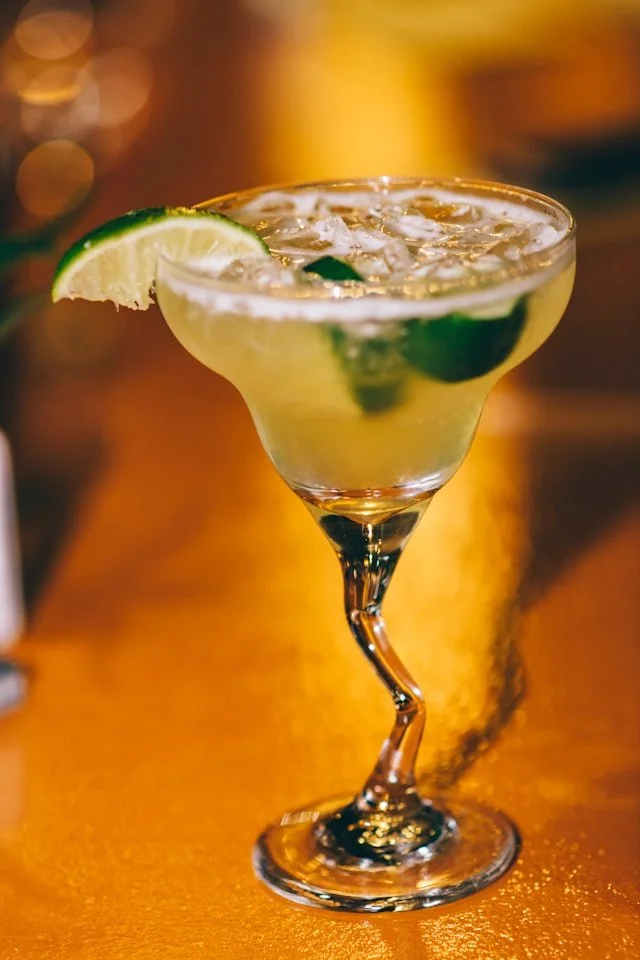
The Margarita is brightness with a backbone. Served ice-cold, it lands crisp and clean, with lime leading the first sip and tequila holding the finish steady. It can feel like pure refreshment, but the best Margarita has structure. Not loud sweetness, not sour shock. Just a clear line of citrus, agave depth, and a quiet, satisfying snap.
It belongs outdoors. Warm afternoons, sun on the table, salt in the air. It is also one of those rare cocktails that works just as well at a simple gathering as it does at a serious bar. The Margarita is not complicated, but it is exposed. Every shortcut shows.
Origin & Cultural Context
The Margarita’s exact origin story is disputed, but its cultural home is firmly Mexico. It rose to global popularity in the mid-20th century, as tequila became more widely poured beyond its regional roots. In many ways, it sits in the same family of enduring, globally understood classics as the Old Fashioned and the Manhattan, not because it is similar in flavour, but because it is similarly defining.
Today, the Margarita is often included in conversations about essential contemporary drinking culture, especially in lists of modern cocktail classics. It has become a reference point for tequila in the same way that the Whiskey Sour is a reference point for whisky and citrus.
What Defines the Margarita
A Margarita is defined by balance through contrast. Lime brings clarity. Tequila brings depth. Orange liqueur quietly bridges both. The drink should taste bright, but not thin. Clean, but not harsh. Compared to a spirit-forward, bittersweet aperitif like the Negroni, the Margarita is more immediate and refreshing, built to wake the palate rather than slow it down.
The salt rim is optional, but when used lightly, it changes everything. Salt does not add flavour as much as it sharpens what is already there.
Ingredients
Tequila
Orange liqueur
Fresh lime juice
Salt (optional, for the rim)
Equipment Needed
Shaker
Fine strainer
Chilled coupe or rocks glass
Method
If using salt, lightly rim the glass and set it aside
Add tequila, orange liqueur, and fresh lime juice to a shaker with ice
Shake firmly until well chilled
Strain into the prepared glass and serve immediately

Batch Smarter, Serve Faster
Planning drinks for a party or event? Our Pre-Batch Calculator helps you scale recipes accurately, so every guest gets the perfect pour without the guesswork.
Notes & Variations
Fresh lime juice is essential. Bottled lime dulls the drink and pushes it into a flat, one-note sourness. Tequila choice matters too. A clean, well-made tequila keeps the Margarita bright and composed rather than aggressively boozy.
If you are pairing the Margarita with food, think of it as a palate tool. Acidity and salt cut through richness, and citrus can calm heat. For a more deliberate approach, how to pair cocktails with food is a useful reference for matching intensity and texture.
Presentation should stay restrained. The Margarita does not need spectacle, it needs neatness. The art of garnishing explains why a clean lime expression or a simple rim often outperforms anything elaborate.
When to Drink It
This is a cocktail for warm weather and open pacing. It works as an aperitif, a first round, or alongside a meal. Served cold and clean, it resets the palate and invites the next bite, the next conversation, the next hour.
If you are ordering it out, the experience improves when you understand the rhythm of a good bar. The ultimate guide to bar etiquette covers the small choices that lead to better service, better pacing, and better drinks.
The Margarita lasts because it is honest. When made with care, it tastes like clarity. Bright, steady, and unmistakably itself.
