The Art of Garnishing: Elevating the Cocktail Experience

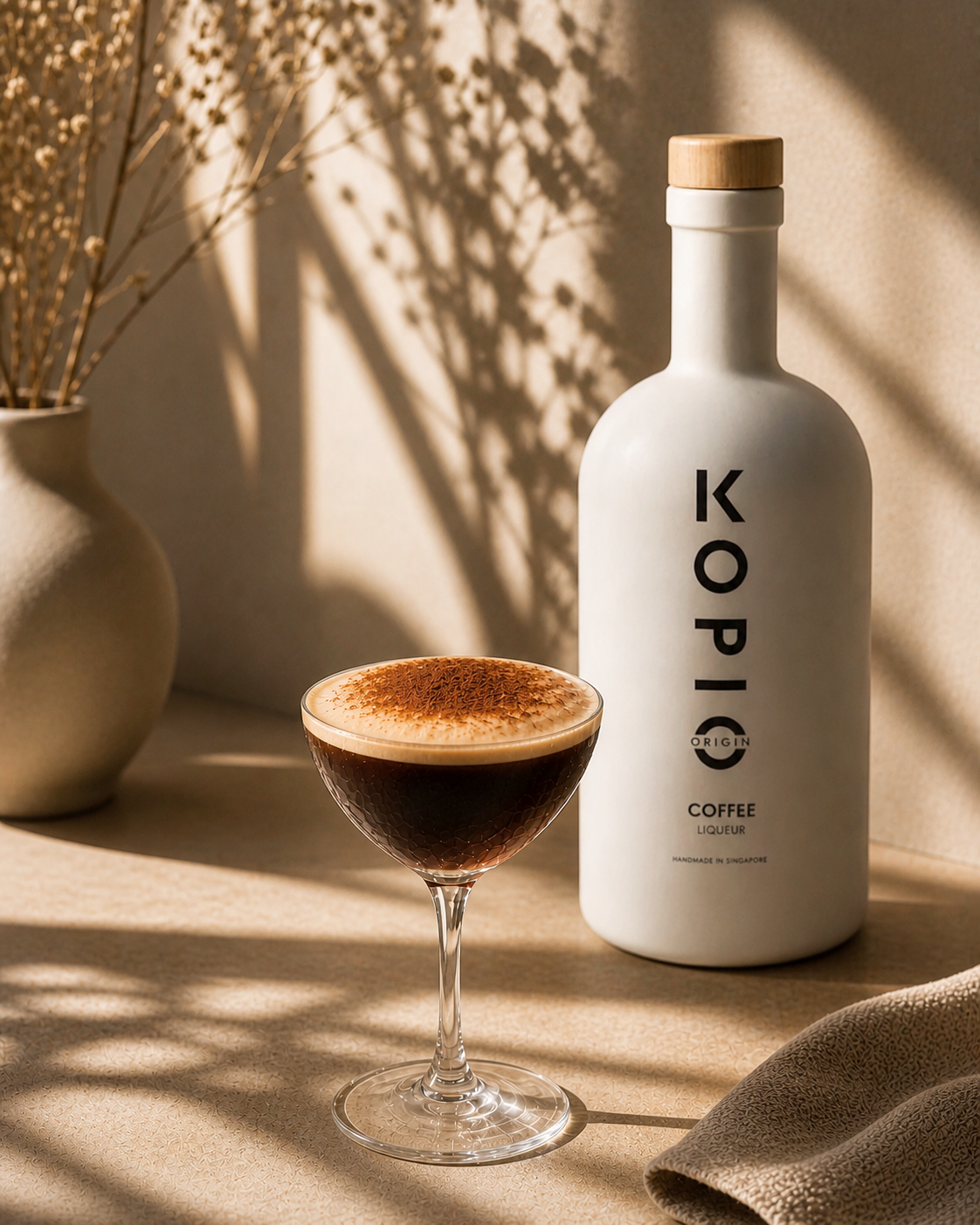
A twist of citrus. A precise foam top. A deliberate placement. Garnish isn’t decoration, it’s aroma, structure, and intention expressed visually before the first sip.
A great cocktail doesn’t begin with the first sip — it begins with the garnish.
The curl of a citrus peel, the delicate weight of an herb, the shimmer of a dehydrated slice: these final touches are far more than decoration. They’re sensory cues that prepare the guest for what’s coming next. In many ways, a garnish is the bartender’s signature — the final gesture that distinguishes a drink from a recipe.
Today, garnishing is no longer an afterthought but a discipline of its own. Home bartenders, cocktail enthusiasts, and progressive bars alike are rediscovering how powerful this seemingly small detail can be.
Why Garnish Matters
A garnish signals intention. It shapes aroma, influences perception, guides flavour, and frames the drink visually. The nose receives the garnish before the palate receives the liquid. That moment — the upward lift of lemon oil or the warmth of a torched cinnamon stick — often defines the first impression.
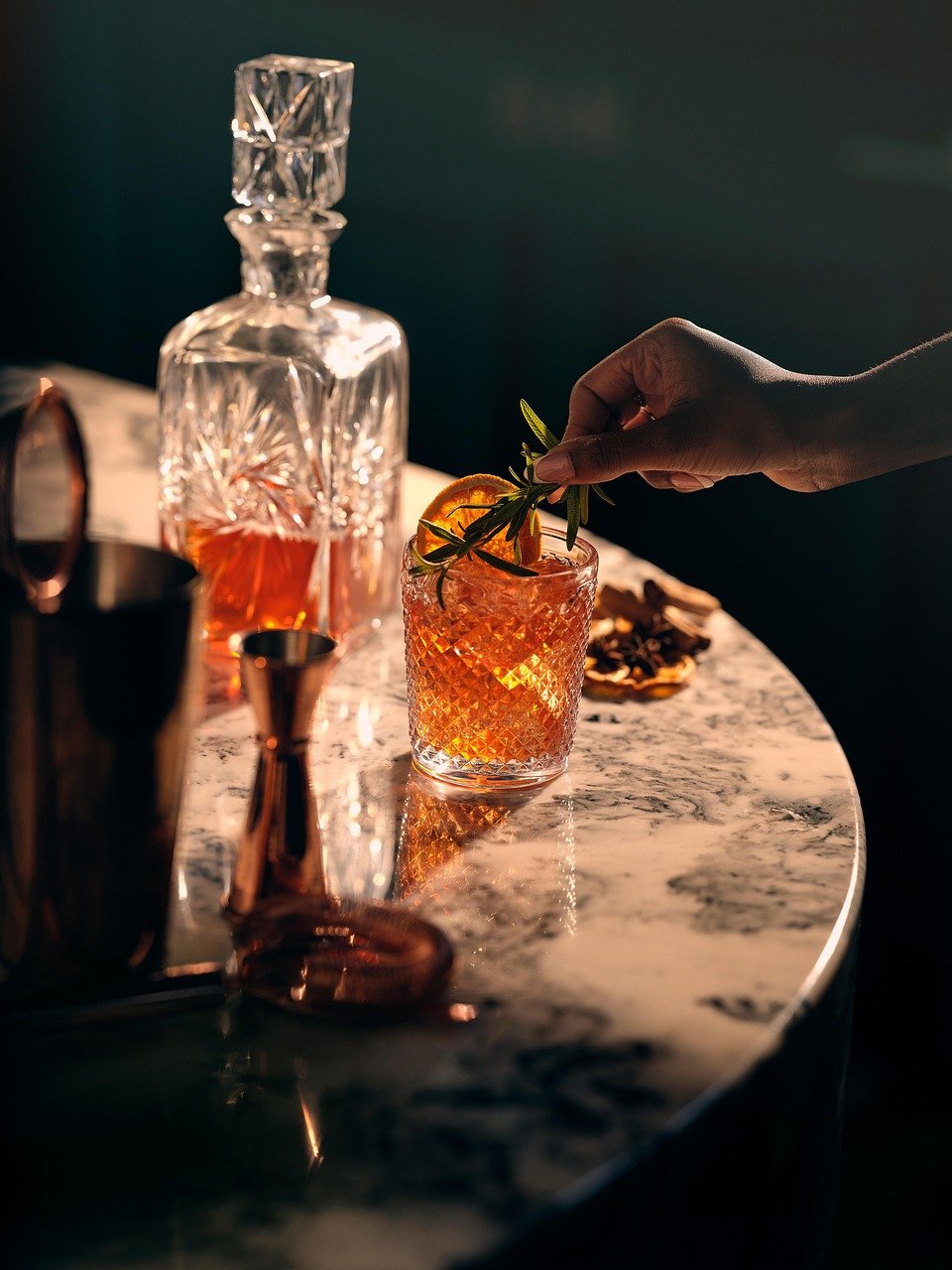
Garnish also creates narrative. A sprig of rosemary might signal Mediterranean influence; a shaved chocolate curl hints at indulgence; a minimalist garnish reflects modern purity.
The best garnishes aren’t ornamental. They’re purposeful.
Classic Garnishes That Never Fail
The Citrus Twist
A foundational garnish for spirit-forward cocktails.
Expressing the oils over the drink adds aroma, brightness, and sophistication.
The Citrus Wheel (Fresh or Dehydrated)
Fresh wheels are vibrant; dehydrated ones are polished and structural.
Bars use dehydrated citrus for consistency, longevity, and signature identity.
Cherries
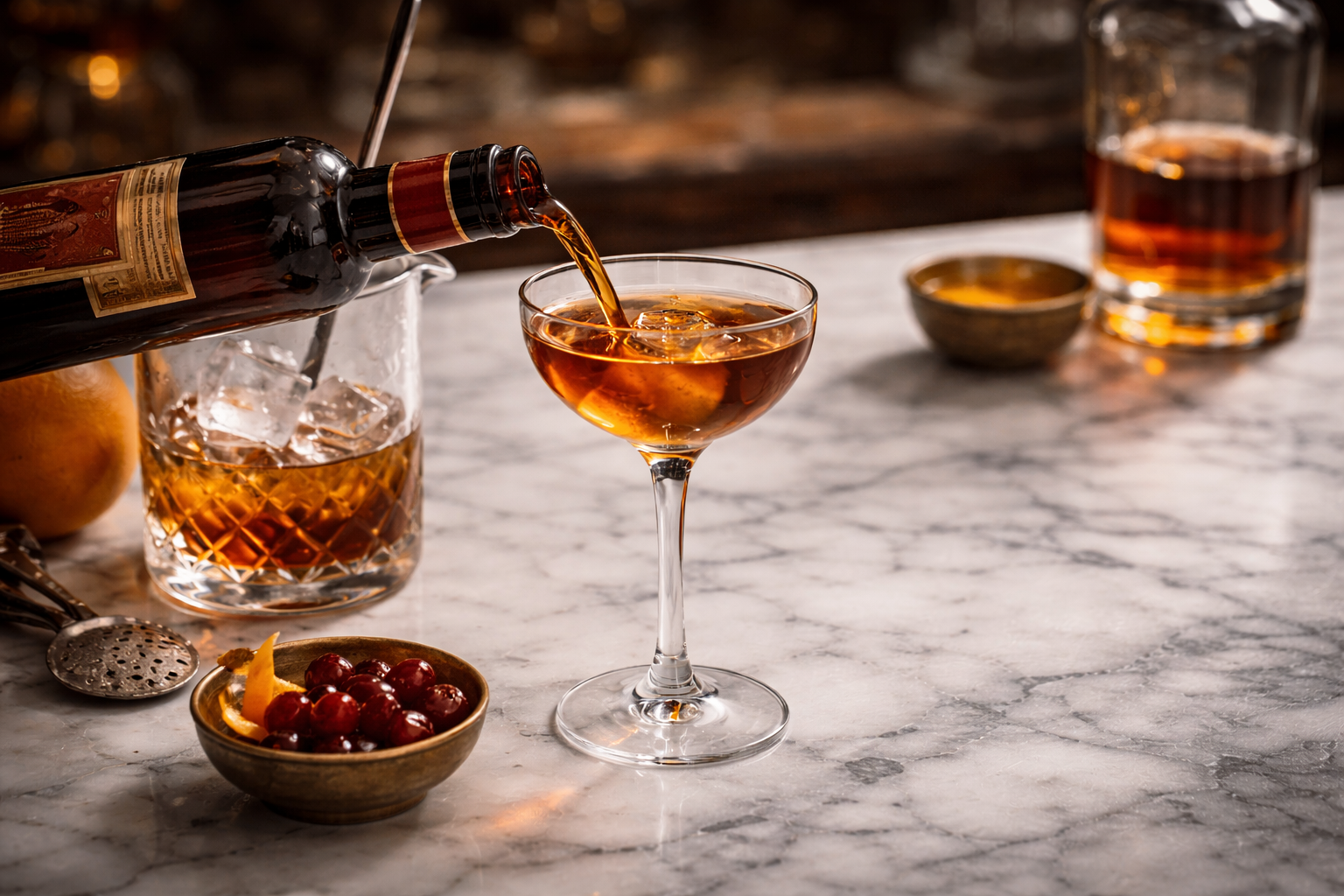
From maraschino to luxardo, a cherry can communicate vintage glamour or modern refinement.
The Olive
A savoury statement.
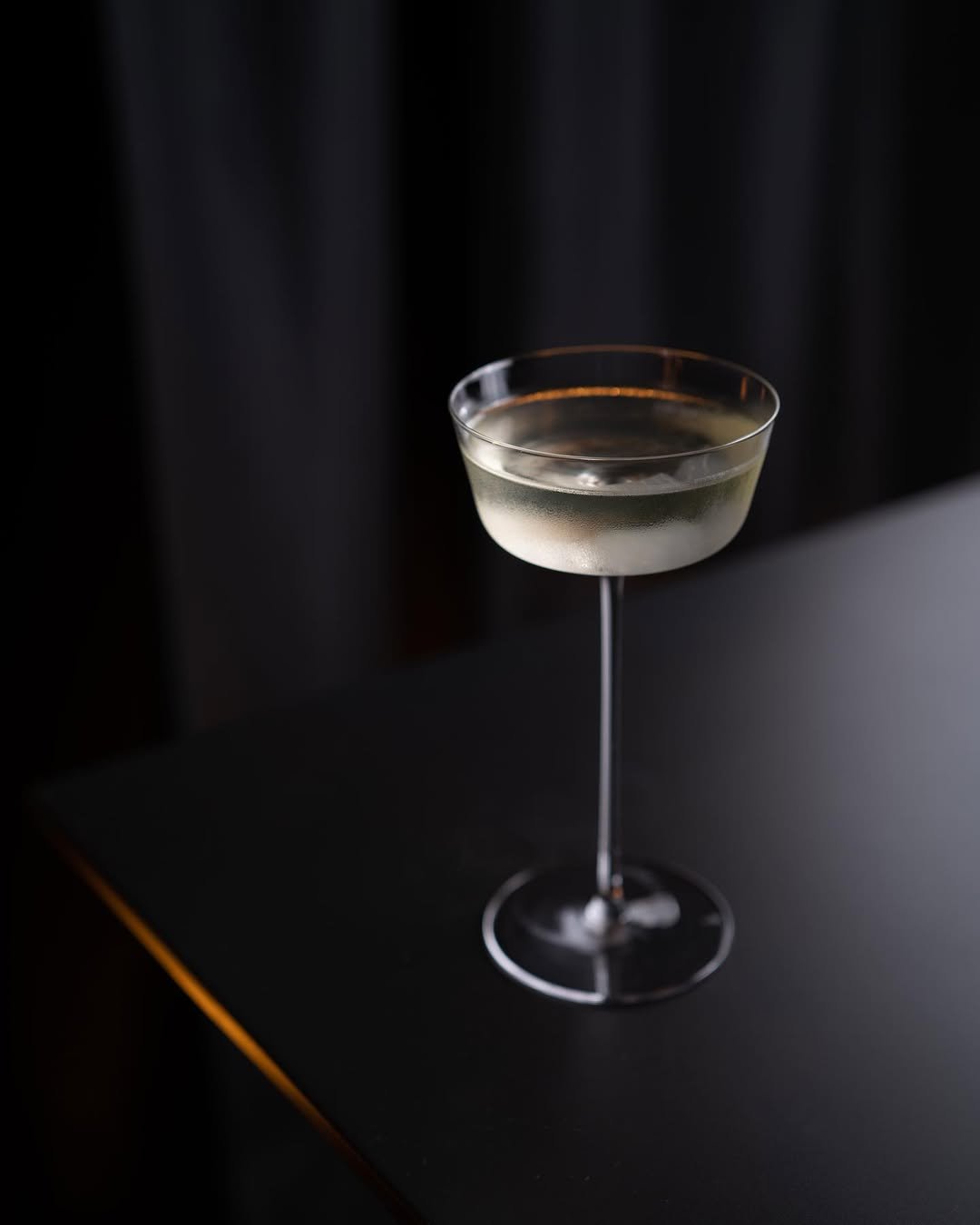
The Martini’s silent anchor.
Herbs
Mint, basil, thyme — aromatics with personality.
Lightly slapped to release oils, never crushed.
These classics endure because they work across styles, seasons, and aesthetics.
Modern Garnishing Techniques Redefining Cocktail Culture
Dehydration
Fruits, vegetables, even flowers — dehydration creates texture, longevity, and a refined look.
Edible Flowers
A visual flourish that reads immediately “premium.”
Bars often use seasonal florals to align with menus or events.
Smoked Garnishes
Cinnamon, star anise, sage, cedar.
Smoke provides theatre, scent, and warmth.
Citrus Paints and Rim Powders
Colour, contrast, texture.
Rims carry cultural stories — from chilli-lime salt to yuzu sugar.
Fat-Washed Garnish Elements
For bars pushing boundaries, garnishes infused with butter, peanut oil, or sesame open up entirely new sensory layers.
As You Garnish Your Latest Creation
Garnish may be the final touch, but temperature and dilution quietly shape how that garnish is perceived. A perfectly expressed citrus peel behaves very differently over properly chilled glassware. In classics like the Whiskey Sour, even slight dilution shifts how the lemon oils bloom across the surface. If you’ve ever wondered how melt rate influences aroma and balance, our guide on how to use ice to control dilution in cocktails explains what’s happening inside the glass.
Tools Every Home Bartender Should Own
Sharp peeler
Paring knife
Butane torch
Fine grater or microplane
Garnish tweezers
Small shears for herbs
Dehydrator (optional but transformative)
A well-equipped garnish kit allows precision — the difference between amateur and editorial-worthy.
When Garnish Becomes Identity
Many bars today are recognised not by their cocktails alone, but by the aesthetics of their garnishes — a signature twist, a specific flower, a unique dehydrated shape. In a crowded landscape, these final details carve out distinctiveness.
A garnish is more than something placed on top of a drink. It’s a mark of intent. A message. A final flourish that whispers: this is crafted, not poured.
Improving Every Cocktail You make