How to Use Ice to Control Dilution in Cocktails
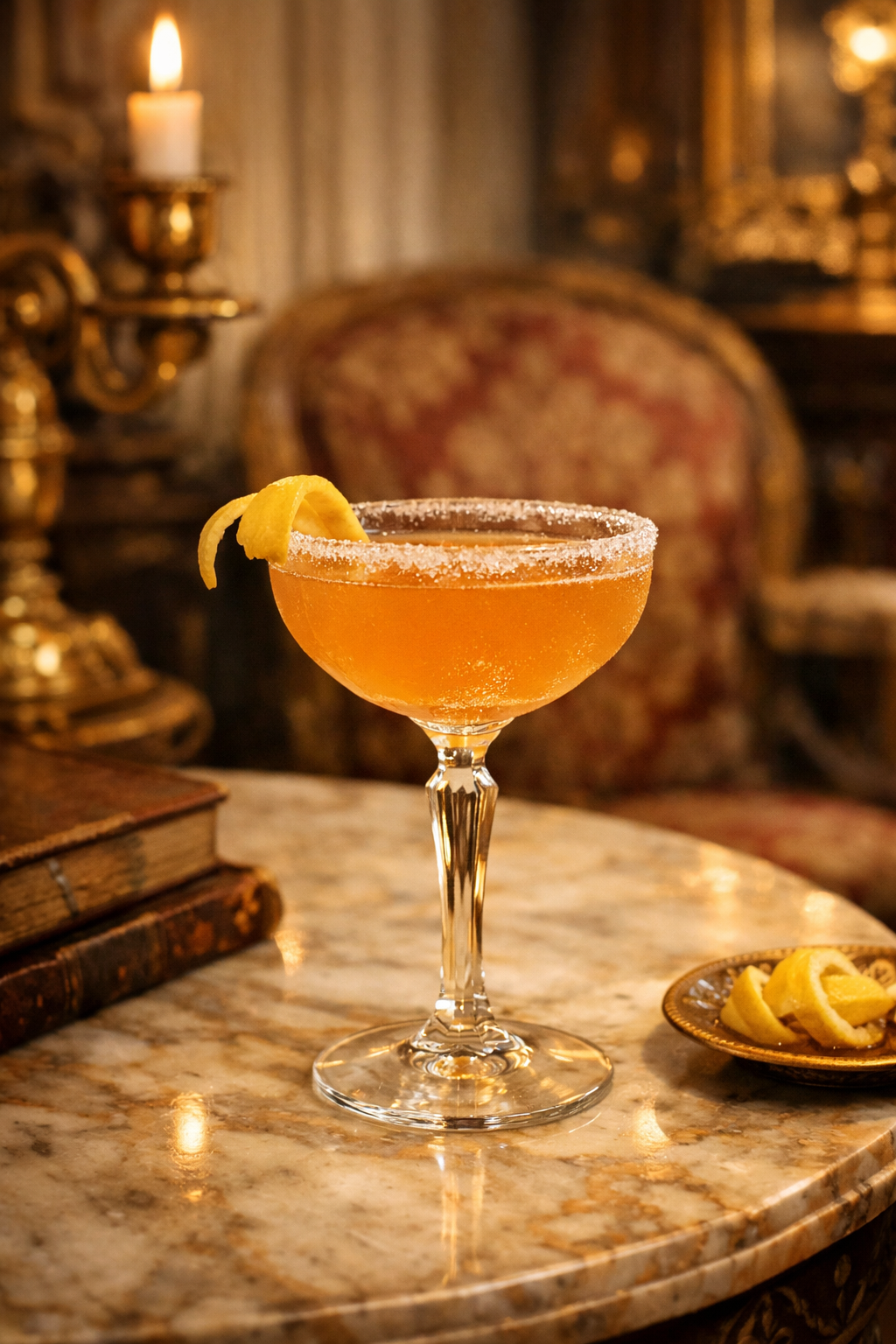
Ice is often treated as an afterthought. Something cold. Something necessary. Something interchangeable.
In reality, ice is one of the most powerful tools in cocktail making — not because it chills a drink, but because it controls time.
Dilution determines whether a cocktail tastes sharp or settled, disjointed or complete. Learning how to use ice properly is not about precision for its own sake. It is about letting a drink arrive at balance, then holding it there long enough to be enjoyed.
This guide focuses on how different types of ice behave, how bartenders use them intentionally, and how you can read dilution as part of the drinking experience rather than a flaw to avoid.
Understand What Ice Actually Does
Ice does three things at once: it chills, it dilutes, and it slows change.
The moment ice touches liquid, dilution begins. That is not a mistake — it is the design. Most cocktails are built strong so that controlled dilution unlocks aroma, softens alcohol, and integrates flavours.
This is why spirit-forward drinks such as the Old Fashioned are never served without ice. Without dilution, they feel rigid. With too much, they collapse. The right ice holds the drink in its ideal window.
Bigger Ice Melts Slower — and That’s the Point
Large-format ice is about stability.
A single large cube or sphere has less surface area relative to its volume, meaning it melts more slowly and releases water gradually. This is ideal for drinks designed to be sipped over time.
Cocktails like the Manhattan benefit from this slow evolution. The first sip is structured and intense. The middle settles into harmony. The final sips soften without becoming thin.
Using large ice is not about luxury. It is about pacing.
Small Ice Is for Fast-Chilling, Not Longevity
Cracked or cubed ice chills quickly and dilutes aggressively. This makes it ideal for shaken drinks that need rapid temperature drop and integration.
In cocktails like the Whiskey Sour, small ice helps aerate the drink, soften citrus, and bring sweetness into balance within seconds. Once strained, the job of that ice is done.
This is why shaken drinks are usually served either up, or over fresh ice — never the ice they were shaken with.
Is This the Right Drink for the Moment?
Not every cocktail fits every crowd. Explore flavor profile, occasion suitability, batching potential, and guest appeal before you commit to serving it.
Ice Choice Is Part of the Recipe
Good bars treat ice as an ingredient, not a garnish.
A drink designed to be bracing and effervescent may rely on rapid dilution and constant refreshment. Something contemplative needs restraint. You can often read this intention before tasting.
The Negroni is a classic example. Served over a large cube, bitterness unfolds slowly and sweetness stays anchored. Served over small ice, it becomes louder, sharper, and shorter-lived.
Neither is wrong — but they are different experiences.
Clear Ice Is About Predictability, Not Looks
Clear ice melts more evenly because it lacks trapped air and impurities. This makes its behaviour more predictable.
That predictability matters in spirit-forward cocktails, where small changes in dilution have noticeable effects. Clear ice does not just look clean — it acts clean.
Many bars that prioritise clarity and control use clear ice for drinks like the Boulevardier, where warmth, bitterness, and sweetness must stay in careful tension.
Stirring vs Shaking Is Really About Dilution Control
The difference between stirring and shaking is not theatre. It is water management.
Stirring chills and dilutes gently while preserving texture. Shaking introduces air, accelerates dilution, and changes mouthfeel.
If you want to understand how bartenders choose one over the other — and how ice factors into that decision — 20 Must-Try Modern Classics offers excellent real-world examples of structure-driven choices.
Read the Ice When You’re Drinking Out
When you’re at a bar, ice tells you a lot.
A single cube suggests intention. Cracked ice signals refreshment. Constantly topped-up ice often means the drink is designed to evolve quickly.
Venues like Penicillin, Hong Kong are known for using ice deliberately to shape how a drink unfolds across its lifespan, not just how it arrives at the table.
Let Dilution Finish the Drink for You
A well-made cocktail is rarely perfect on the first sip. It arrives perfect somewhere in the middle.
Ice gives the drink room to breathe, change, and settle. Learning to appreciate that arc is part of learning to drink well.
Once you stop fighting dilution, you begin to notice balance — not as a static point, but as a moving one.
Continue Exploring
If this guide reshaped how you think about ice, you may enjoy How to Choose the Right Glass for Any Cocktail, or deepen your understanding of structure through How to Pair Cocktails With Food: A Modern Guide.