How to Choose the Right Glass for Any Cocktail
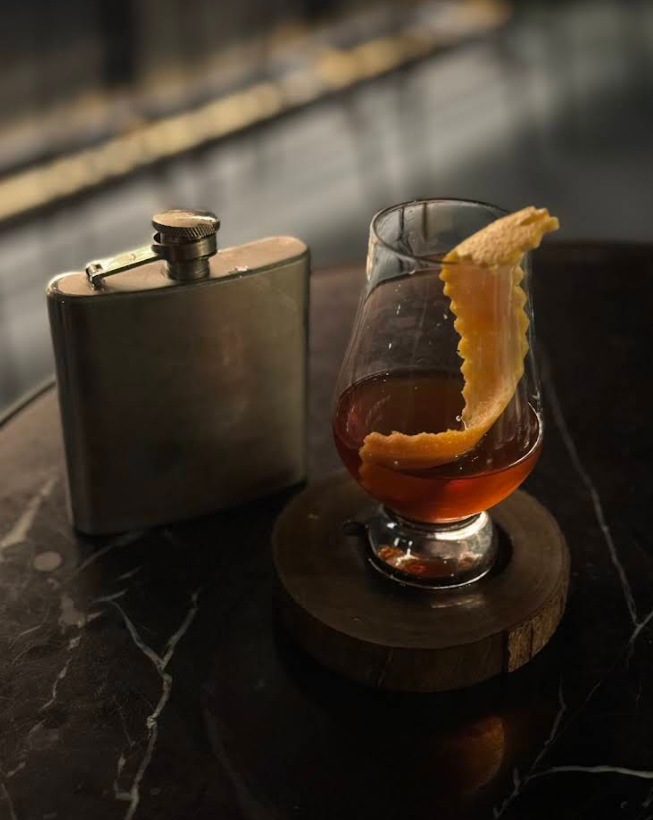
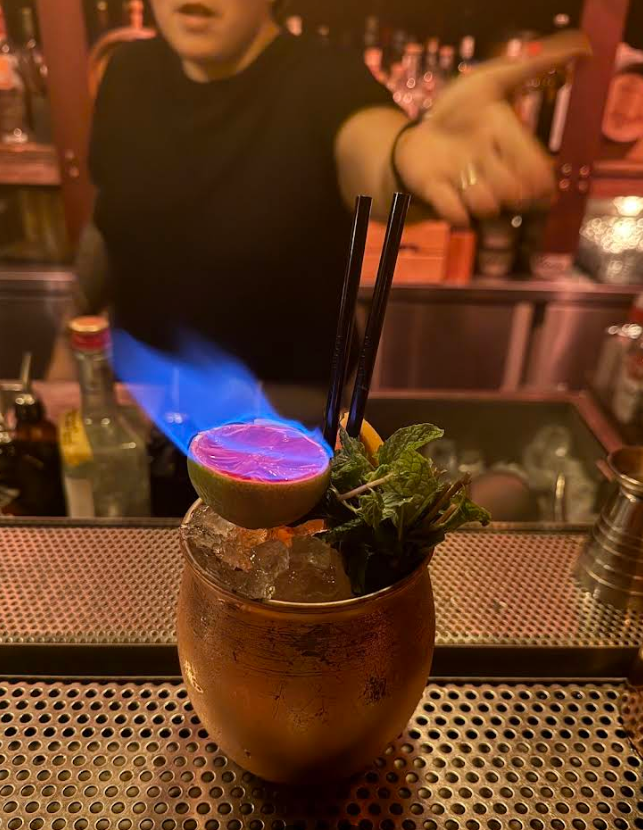
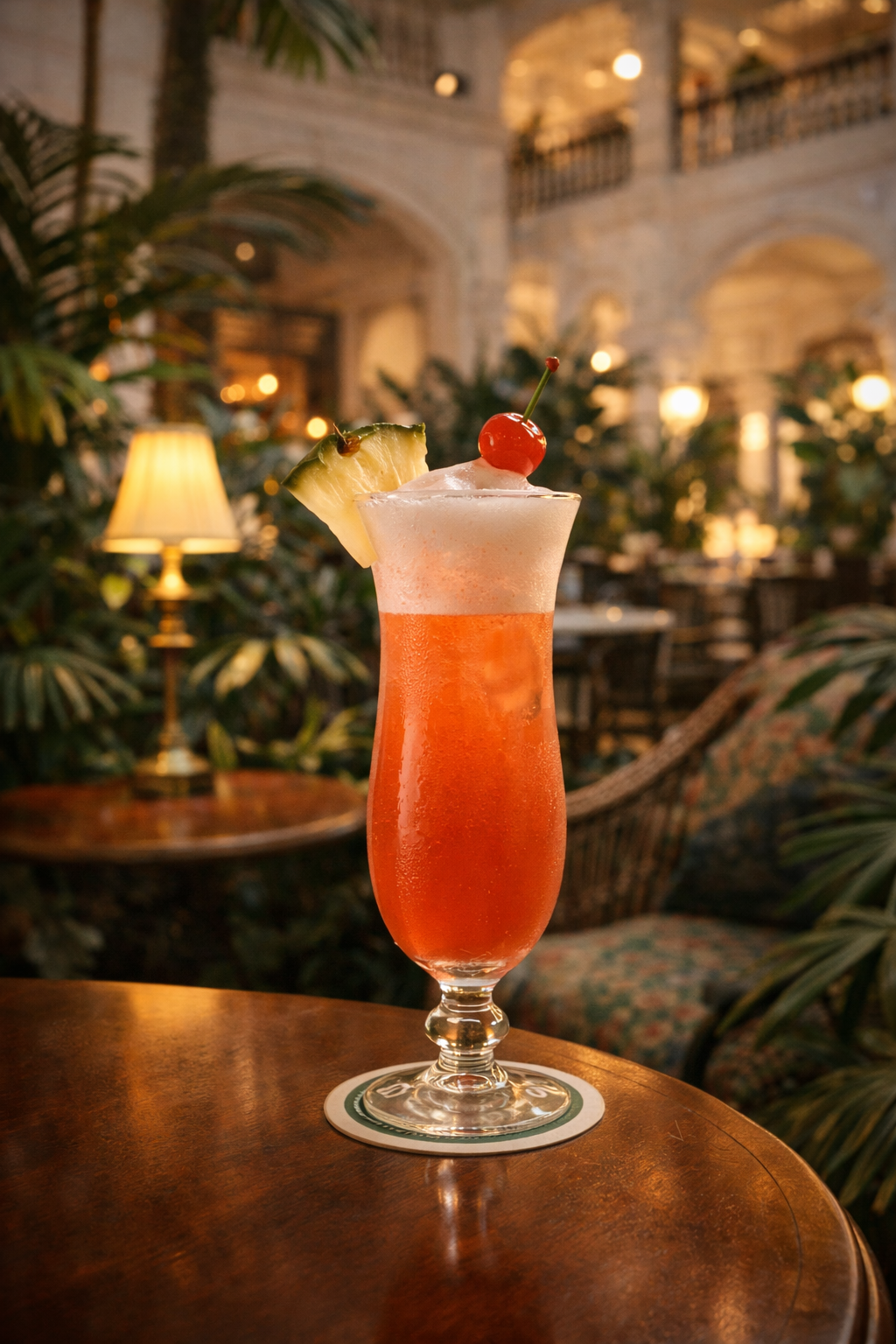
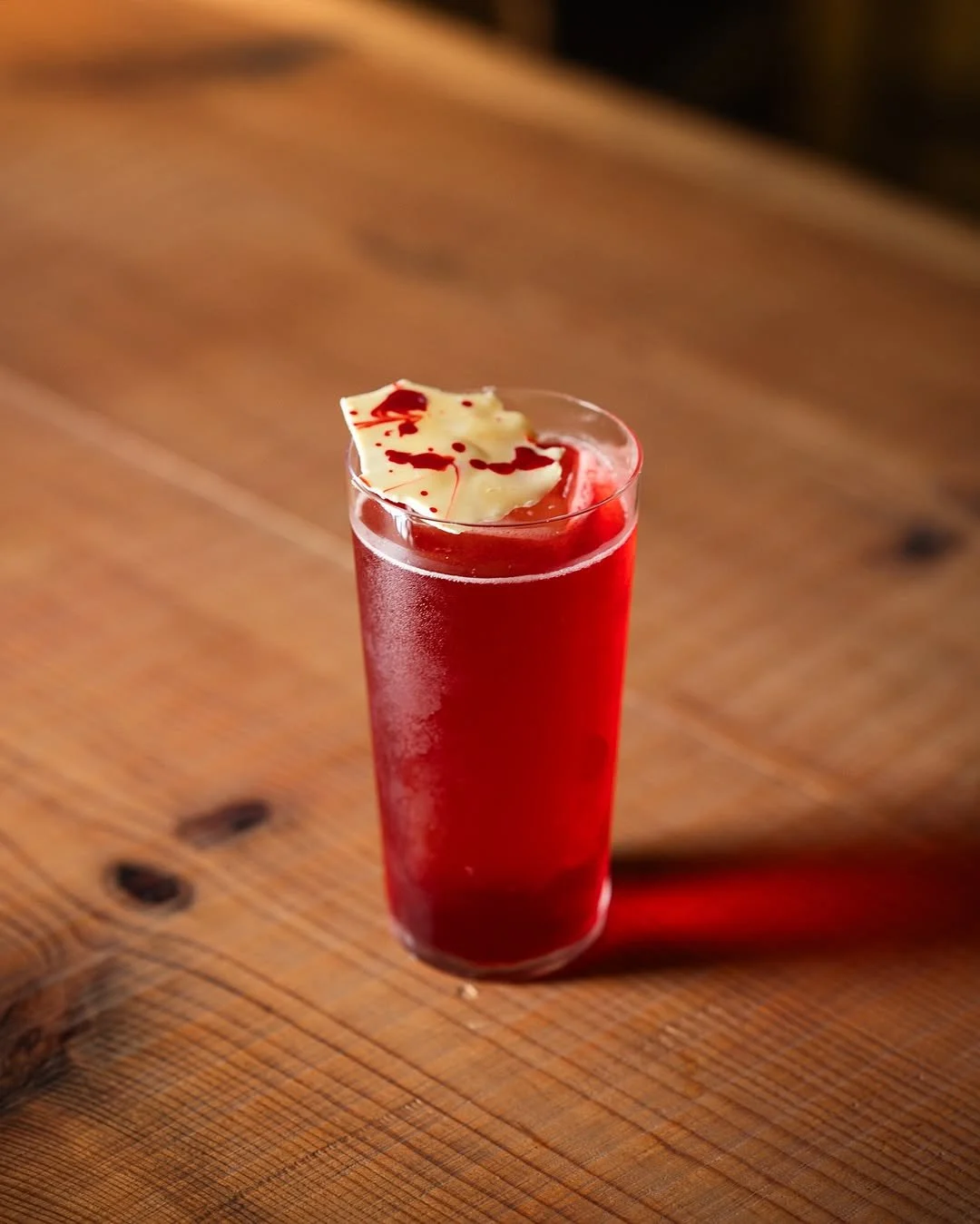
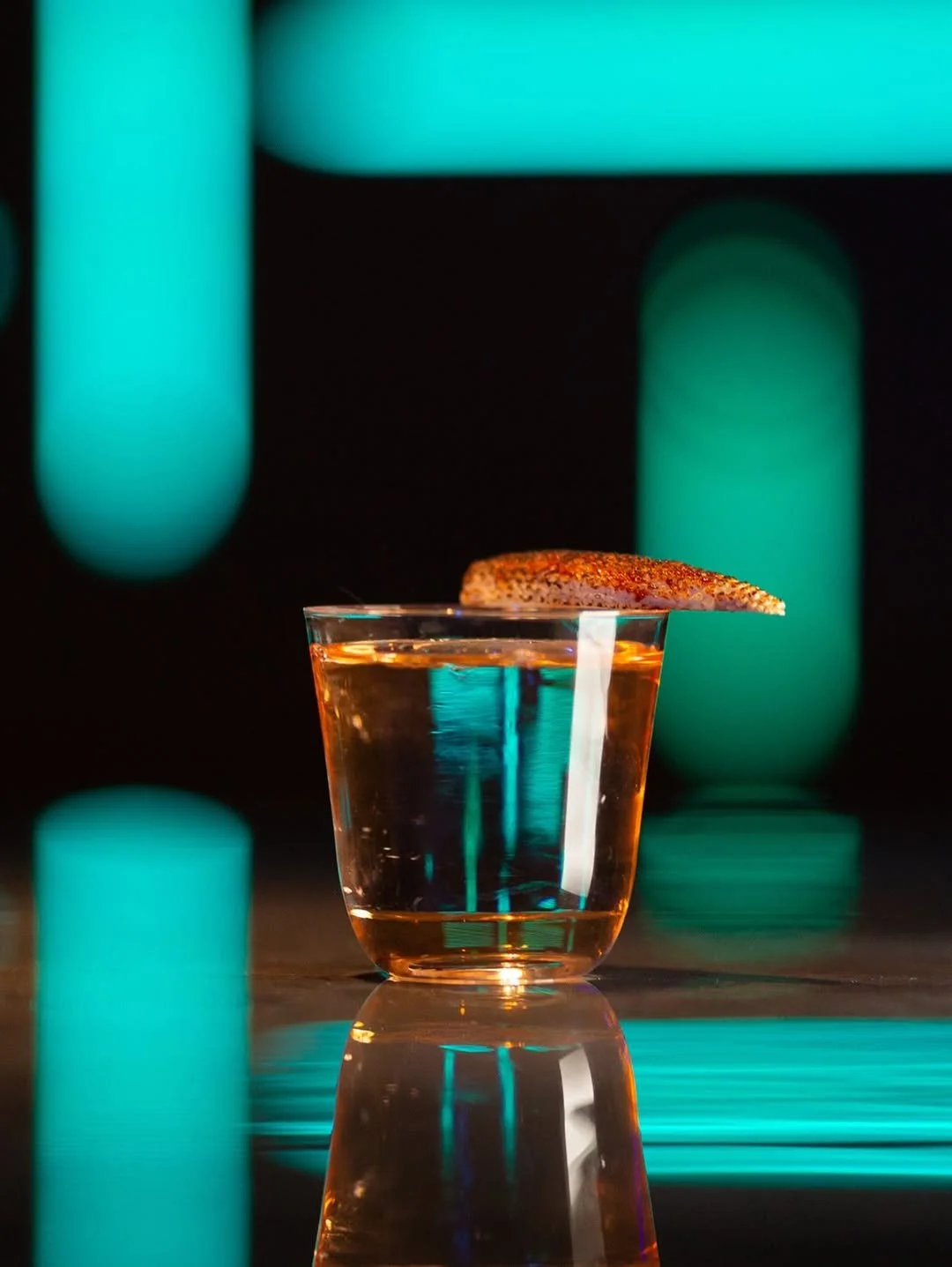
Glassware is not decoration. It is design.
The weight in your hand, the shape at your lips, the way aroma gathers or escapes — all of these influence how a cocktail is experienced. A well-made drink can feel muted in the wrong glass, while a simple build can feel elevated when the vessel suits it.
This guide is not about memorising glass names. It is about understanding why certain drinks feel right in certain glasses, so you can make confident choices at home or read a bar menu with more clarity, in the spirit of The Drink Journal.
Start With Temperature and Dilution
Before thinking about style, think about temperature control.
Cocktails that are served cold without ice need glasses that retain chill without warming quickly. Drinks served over ice need space for dilution and temperature management. Long drinks need height to preserve carbonation and keep the drink lively.
Once you understand what the drink needs to stay balanced, the glass choice becomes obvious.
The Coupe: Soft, Cold, and Aromatic
The coupe is ideal for cocktails that are shaken or stirred and served without ice. Its wide bowl allows aroma to rise gently, while the stem keeps warmth from your hand away from the liquid.
Many modern classics sit comfortably here, including drinks inspired by the Sidecar or variations on the French 75 when served without ice.
If a drink is elegant, balanced, and meant to be sipped slowly while staying cold, the coupe is usually the right choice.
The Martini Glass: Precision Over Comfort
The martini glass is visually iconic but less forgiving.
Its sharp angles and wide surface expose aroma quickly, making it suitable for very clean, spirit-forward cocktails. However, it warms faster and demands careful handling.
Classic expressions like the Manhattan are sometimes served this way, but many bars now prefer coupes for better temperature control and comfort.

Is This the Right Drink for the Moment?
Not every cocktail fits every crowd. Explore flavor profile, occasion suitability, batching potential, and guest appeal before you commit to serving it.
The Rocks Glass: Weight, Ice, and Intention
Also known as the old fashioned glass, this is designed for drinks served over ice.
Its thick base provides stability, while the wide opening allows the drink to evolve as dilution sets in. Large-format ice works best here, slowing dilution and preserving structure.
This is the natural home of drinks like the Old Fashioned or spirit-driven builds where the drink is meant to change gradually in the glass.
The Highball: Clarity and Refreshment
Tall, narrow, and restrained, the highball glass is designed to preserve carbonation and keep drinks refreshing.
It suits cocktails built with soda, tonic, or sparkling components. The vertical shape helps bubbles travel cleanly while maintaining chill.
Modern classics such as the Aperol Spritz or lighter aperitif-style drinks rely on this glass to stay bright and composed.
The Nick & Nora: Balance and Control
Smaller than a coupe and more forgiving than a martini glass, the Nick & Nora has become a favourite in contemporary bars.
It holds enough volume for stirred drinks without overwhelming the palate, keeping alcohol, aroma, and temperature in check. It is often used for refined, spirit-forward cocktails that benefit from restraint.
If you enjoy balance and precision over theatrical presentation, this glass quietly excels.
Understanding this relationship is part of reading cocktail menus intuitively. If you want to deepen that skill, The Ultimate Guide to Bar Etiquette for Guests and Bartenders helps you notice how cocktails are intentionally served — including glass choice, temperature, pacing, and how dilution is meant to unfold as you drink.
Garnish and Glass Should Speak the Same Language
Glassware frames garnish.
A citrus peel releases aroma differently in a coupe than in a narrow highball. Herbs behave differently depending on how close they sit to the nose. Even visual balance matters.
If you want to understand how bars think about this pairing, The Art of Garnishing: Elevating the Cocktail Experience explains why garnish and glass are designed together, not separately.
When You’re Ordering at a Bar
At a good bar, glassware is a signal of intent.
Trust it. If a drink arrives in a particular glass, it is because the bartender wants it to feel a certain way. If you ever feel unsure about why a choice was made, asking is part of the experience.
If navigating that interaction feels uncertain, The Ultimate Guide to Bar Etiquette for Guests and Bartenders offers calm guidance on how these conversations naturally unfold.
Choosing the Right Glass Is Choosing the Right Experience
The best glass disappears in use. It supports the drink without calling attention to itself.
When glass, liquid, and intention align, the cocktail feels effortless — not because it was simple to make, but because nothing is in the way of enjoying it.
That is the quiet purpose of good glassware.
Continue Exploring
You may enjoy exploring classic structures through drinks like the Negroni or understanding balance through the Whiskey Sour.
For more drink guides, bar culture, and thoughtful approaches to drinking, return to The Drink Journal and explore slowly, one glass at a time.