How to Read a Coffee Menu Like a Local Anywhere in the World
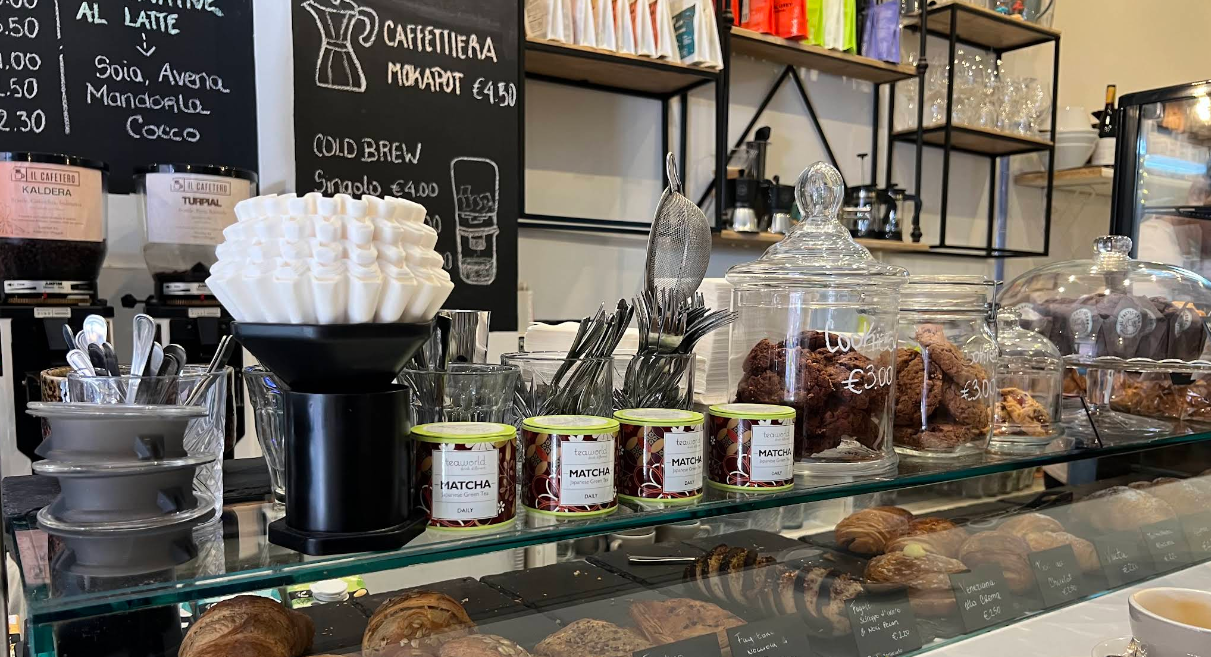
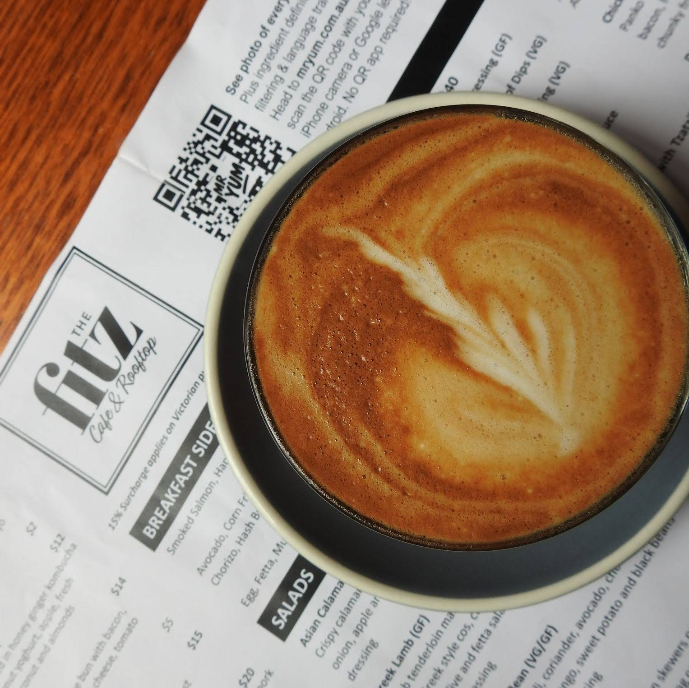
Origin names. Processing methods. Flavor notes like “stone fruit” and “jasmine.” Coffee menus can feel like coded language — until you learn what the signals mean. Once decoded, ordering becomes effortless.
Coffee menus can feel deceptively simple. A handful of drink names, a few unfamiliar words, maybe a single-origin list that reads like a geography exam. Yet for locals, these menus are rarely confusing. They are shorthand — a shared language between café and regular.
Learning to read a coffee menu like a local is not about knowing everything. It is about knowing where to look, what to ignore, and how to interpret intention. Once you understand that, cafés across different countries start to feel familiar rather than foreign.
This guide follows the same philosophy that shapes everything on The Drink Journal: calm clarity, cultural context, and an appreciation for how coffee fits into daily life rather than standing apart from it. THE DRINK JOURNAL — ARTICLE WR
Start by Identifying the Café’s Coffee Culture
Before reading individual drinks, take in the style of the menu.
Is it short and focused, or long and exploratory? Does it prioritise espresso drinks, filter coffee, or milk-based staples? These choices often reflect the café’s cultural roots more than its ambition.
A menu that centres on espresso classics often follows traditions where coffee is quick, concentrated, and habitual. A menu that highlights filter methods and origin detail leans toward modern specialty culture. Neither is better — they simply serve different rhythms of life.
If you want a grounded reference point for what “standard” looks like across countries, 20 Must-Try Classic Coffee Beverages From Around the World is a useful map.
Ignore the Fancy Words First, Read the Structure
Many coffee menus overwhelm by detail: origin names, processing methods, tasting notes, roast styles. Locals rarely read everything.
Instead, start with categories: espresso, milk coffee, filter, cold coffee. This tells you how the café expects you to order.
Once you know the category you want, then read the specifics. A single-origin espresso might look intimidating, but at its core it still behaves like espresso — just with a more defined flavour profile.
If you want the simplest explanation for why cafés group drinks this way, How to Choose the Right Brewing Method: Coffee Equipment Explained Simply helps you connect menu language to real-world tools and outcomes.
Learn the Local Meaning of Familiar Drinks
A coffee menu becomes easy once you accept one truth: drink names travel, but meanings change.
A flat white in Australia or New Zealand usually signals a specific balance of milk texture and espresso presence. Elsewhere, it can drift into something closer to a latte, or it can arrive smaller and stronger than you expect. Knowing what the drink traditionally is helps you spot when a café is honouring the local logic — or adapting it for a different crowd.
If you want a practical anchor, revisit Flat White (Australia/New Zealand) and compare what you see on menus to what you taste in cafés.
The same applies to café au lait. Depending on where you are, it can read as rustic and generous, or more restrained and ritualised. Café au Lait (France) gives you the cultural baseline that locals quietly carry with them.
Read the Filter Section Slowly
Filter coffee is where cafés often speak most honestly.
Locals don’t rush this section. They look for cues that predict how the coffee will feel: clarity, richness, fruitiness, comfort, brightness. If the menu includes flavour notes, treat them as orientation rather than certainty — they’re there to guide you toward a style, not promise a specific experience.
If the filter section is full of unfamiliar language, A Beginner’s Guide to Understanding Specialty Coffee: From Beans to Brewing helps decode what cafés are really saying when they talk about beans, methods, and taste.
Pay Attention to What’s Missing
Locals notice absence as much as presence.
If a café doesn’t offer sizes, it often means they believe the drink has one correct proportion. If the menu avoids syrups or extra add-ons, it may be signalling that balance and clarity matter more than customisation. If iced coffee is limited, it might be because the café is protecting texture and dilution.
Reading like a local means trusting these omissions instead of fighting them.
Use Espresso as Your Universal Translator
If you can read the espresso section, you can read most of the menu.
Espresso tells you how the café thinks: what kind of intensity they like, how they balance bitterness and sweetness, how much they prioritise crema and texture, whether they lean traditional or modern.
If you want the clearest cultural reference point for espresso logic, The Perfect Espresso: Italy is a timeless baseline — even if you’re ordering on the other side of the world.
Let the Barista Fill in the Gaps
Good menus invite conversation.
If something is unclear, asking how the café serves it is not a failure — it’s what locals do. A simple question about strength, milk texture, or acidity usually gets you a better cup than guessing quietly.
If you want to see how a café can turn that daily conversation into a full morning ritual, Where Coffee Becomes Theatre: A Morning at Industry Beans Newstead is a great example of service, pacing, and coffee craft working together.
Read With Curiosity, Not Performance
Locals are rarely trying to impress anyone when ordering coffee. They read menus to support habit, comfort, rhythm — the shape of a morning.
Once you adopt that mindset, coffee menus stop feeling like exams. They become maps, quietly guiding you toward something that fits the moment you’re in.
Continue Your Coffee Adventure