How to Choose the Best Cafés Without Even Walking In
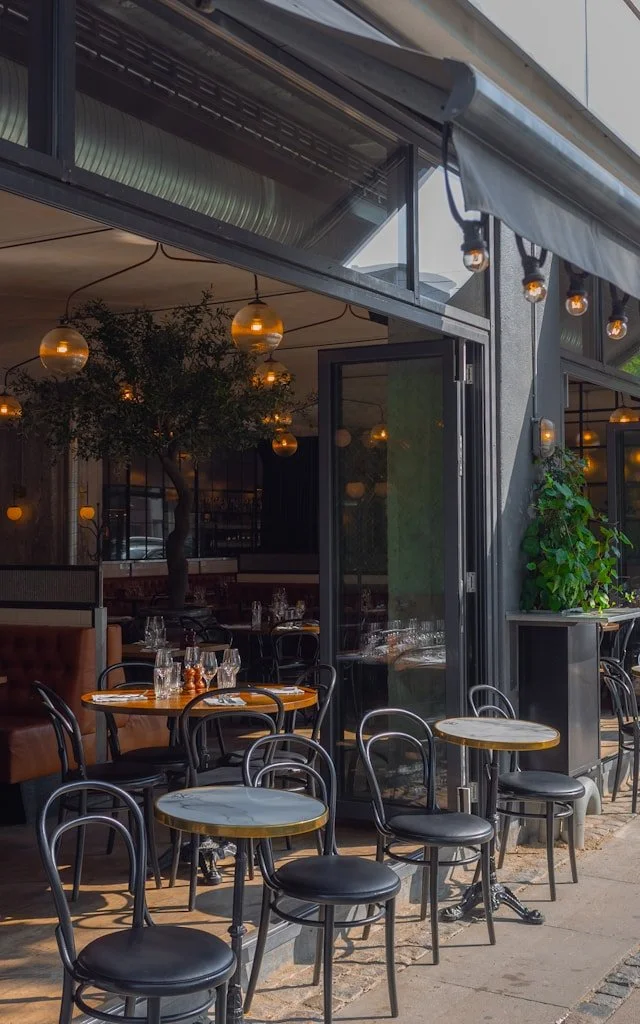
Not every great café announces itself loudly. In fact, many of the best ones rarely do. They don’t rely on oversized signage, novelty drinks, or queues spilling onto the pavement. Instead, they communicate quietly, through details that are easy to miss if you don’t know what to look for.
Learning how to choose a good café before stepping inside is not about judgment or shortcuts. It’s about reading signals. Cafés, like people, reveal their intentions long before they speak.
Start With the Exterior, Not the Menu
The exterior of a café often tells you more than its drink list.
A restrained façade suggests confidence. Cafés that know what they are doing rarely need to shout. Handwritten menus, subtle signage, and uncluttered windows usually indicate a place focused on craft rather than spectacle.
Look for cafés that feel settled into their surroundings. Those that seem designed for regulars, not just first-time visitors, often prioritise consistency over novelty. This sense of place is something you’ll notice repeatedly across cafés featured on The Drink Journal, from quiet neighbourhood spots to destination cafés.
Watch Who Goes In, Not Who Lines Up
Queues can be misleading.
A long line may signal popularity, but it does not guarantee quality. Instead of counting people, observe who those people are. Locals who enter casually, without phones raised or photos taken, are often the most reliable indicators.
If you notice people greeting staff by name, ordering confidently, or sitting alone with a book, those are quiet endorsements. These cafés are part of someone’s routine, not just their weekend plan.
This kind of atmosphere appears consistently in cafés like Onest in Milan, where the energy comes from familiarity rather than performance.
Look at the Windows, Not the Counter
Before stepping inside, take a moment to look through the windows.
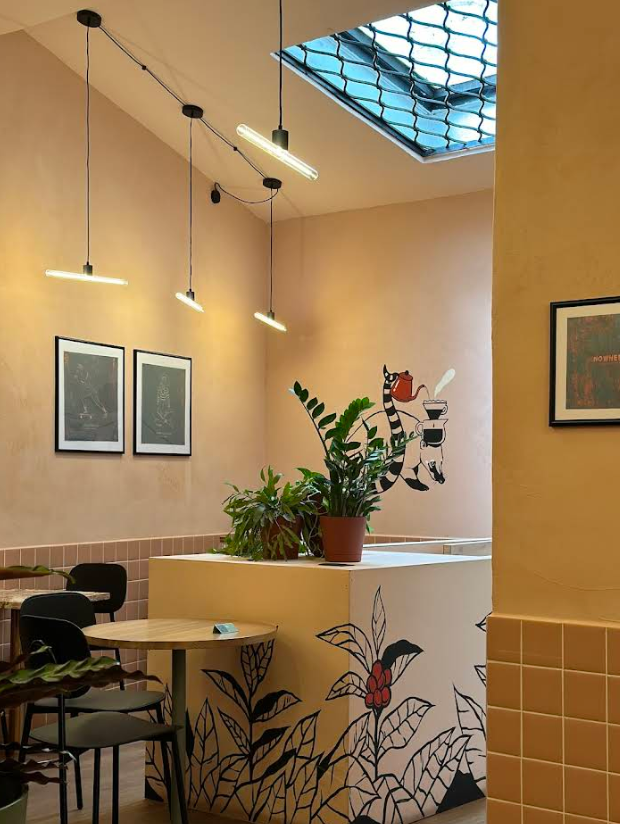
Do tables look lived-in rather than staged? Are cups mismatched or thoughtfully chosen rather than decorative? Is lighting warm and functional, not theatrical?
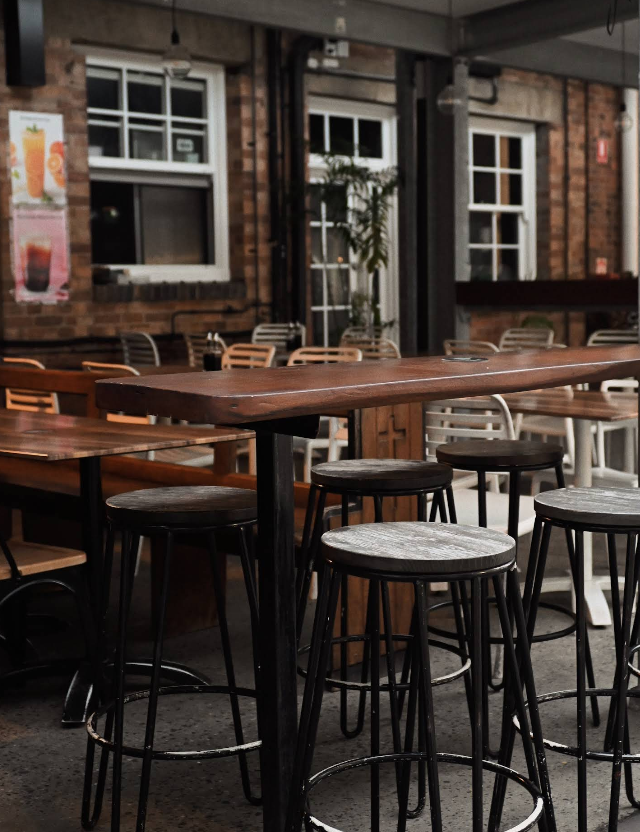
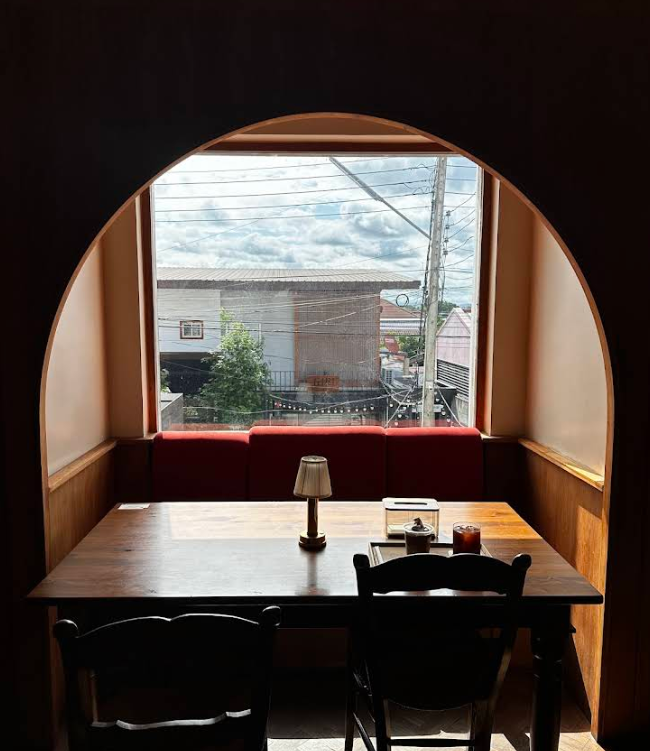
Cafés designed for drinking coffee tend to prioritise comfort over drama. Chairs are chosen to be sat in, not photographed. Tables show signs of use. These details suggest the café expects you to stay, not rush out with a takeaway cup.
This sense of intentional calm is something you’ll see echoed in places like Golden Mug Café, where the space feels grounded rather than curated for attention.

Read the Coffee Equipment From Afar
You don’t need to recognise brands to read intent.
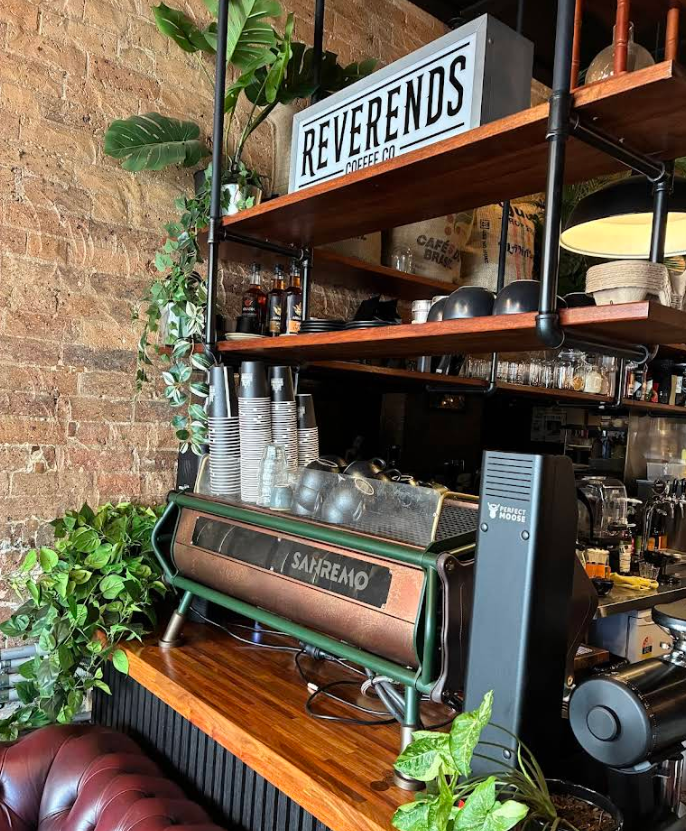
If you can spot a single espresso machine, one grinder for espresso, and perhaps another for filter, that often suggests focus. Excessive equipment can indicate indecision or showmanship.
Minimal setups usually mean the café has committed to a particular style of service. This restraint aligns closely with cafés that value balance and repeatability, a philosophy also reflected in The Perfect Espresso (Italy), where simplicity is treated as discipline, not limitation.
Notice How Staff Move When They Think No One Is Watching
Body language matters.
Before entering, observe how staff interact with each other. Are movements calm or frantic? Do they reset the space between orders, or are they constantly reacting?
Cafés that feel unhurried outside often feel the same inside. This rhythm usually carries through to how drinks are made and served. Good coffee culture values flow, not speed.
This unforced confidence is a recurring theme in cafés that take their time, a quality also explored indirectly in How to Choose the Right Brewing Method: Coffee Equipment Explained Simply, where intention outweighs complexity.
Ignore Signatures, Look for Restraint
Oversized logos, novelty fonts, and excessive branding are rarely signs of great coffee.
Strong cafés let their reputation travel quietly. Their visual identity tends to be understated, sometimes even forgettable at first glance. This allows the coffee itself to remain central.
If a café’s exterior feels calm enough to fade into the street, it often means they expect the experience to do the talking.
Trust Places That Don’t Beg for Attention
Some cafés feel like they’re asking you to come in. Others feel like they’re simply open.
The latter are usually the ones worth visiting.
These cafés don’t need promises, slogans, or declarations of quality. They exist confidently, knowing that the right people will find them. This mindset mirrors the broader coffee philosophy outlined in A Beginner’s Guide to Understanding Specialty Coffee: From Beans to Brewing, where quality is communicated through practice rather than claims.
When You Get It Right, You’ll Know Before You Taste
The best cafés often feel right before the first sip.
There is a sense of alignment between space, people, and pace. Nothing feels rushed. Nothing feels performative. You haven’t walked in yet, but the decision already feels justified.
Learning to read these signals takes time, but once you do, choosing cafés becomes intuitive rather than experimental. You stop chasing reviews and start trusting observation.
And more often than not, the best cup of coffee you’ll have that day is waiting quietly behind an unassuming door you almost walked past.