How to Build a Balanced Cocktail Without Measuring Everything
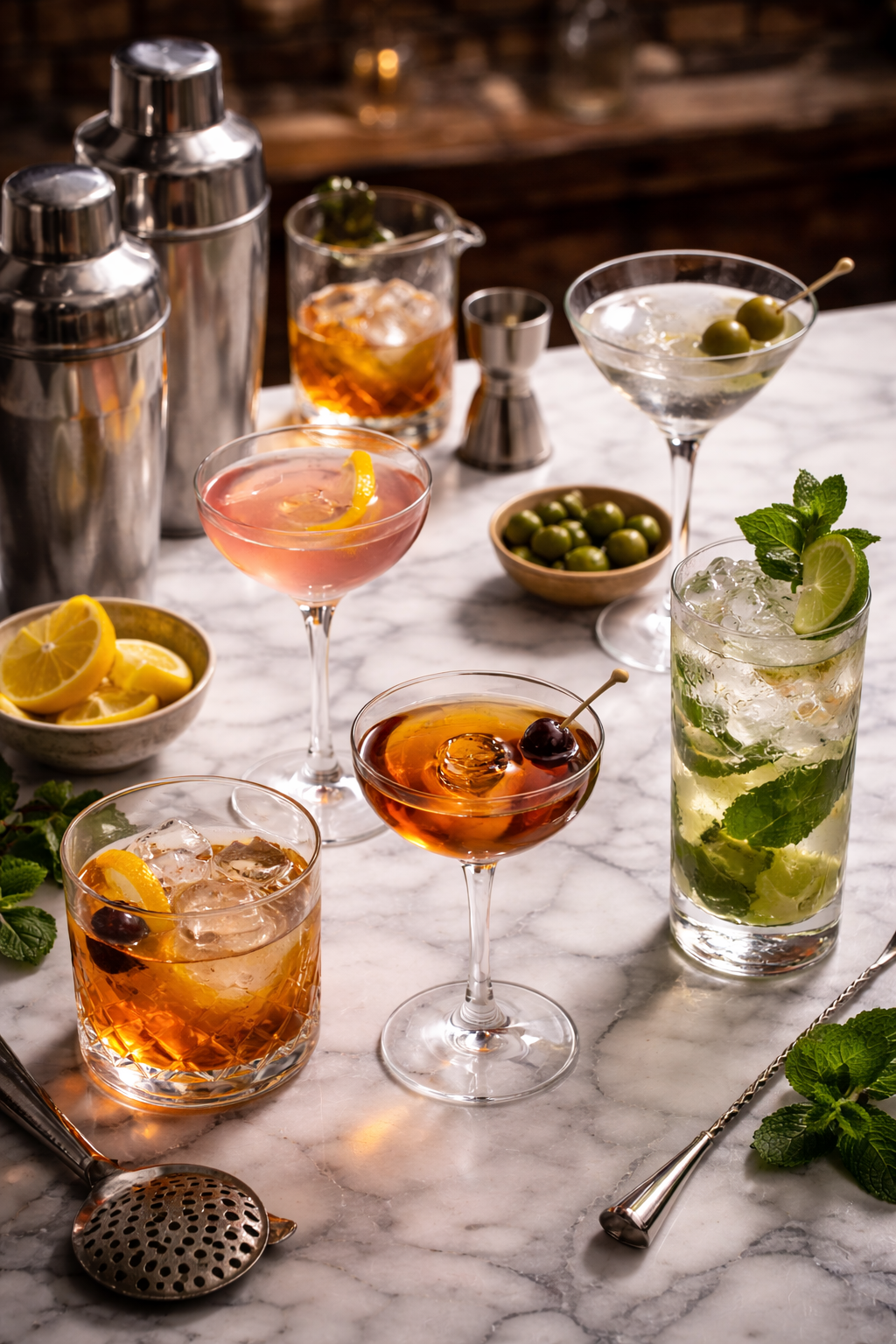
Not every good cocktail begins with a jigger. Long before precise measurements became standard, bartenders relied on proportion, taste, and repetition. Balance was learned by feel, not numbers.
Building a balanced cocktail without measuring everything is not about guessing. It is about understanding structure well enough that your hands and palate take over. This guide shows how balance works, how to recognise it, and how to build drinks that feel composed rather than chaotic — even when you are pouring by eye.
What “Balanced” Really Means in a Cocktail
Balance is not neutrality. A balanced cocktail still has personality.
In simple terms, balance is the relationship between:
strength
sweetness
acidity
bitterness
dilution
When one element dominates, the drink feels unfinished. When they support each other, the cocktail settles into something coherent.
Many classic drinks demonstrate this clearly. The Whiskey Sour, for example, works not because it is sweet or strong, but because neither is allowed to overpower the other. The goal is harmony, not restraint.
Think in Ratios, Not Measurements
Even when bartenders use jiggers, they are really thinking in ratios.
Most balanced cocktails follow familiar structures:
spirit forward with a small modifier
equal parts builds
spirit, citrus, sweet
Once you understand these shapes, exact measurements matter less. Your eye learns the proportions naturally.
This is why drinks like the Negroni are so forgiving. Equal parts make balance intuitive. You can free-pour confidently because the structure itself keeps the drink honest.
Sweetness Is Easier to Add Than Remove
When not measuring, sweetness should always come last.
Sweet elements mask imbalance quickly, making a drink feel pleasant even when it lacks structure. Acid and bitterness, by contrast, reveal mistakes.
Build the drink dry first. Add sweetness gradually until the edges soften. This approach mirrors how many modern classics are adjusted behind the bar, including variations on drinks like the Paper Plane, where balance depends on restraint rather than generosity.
Is This the Right Drink for the Moment?
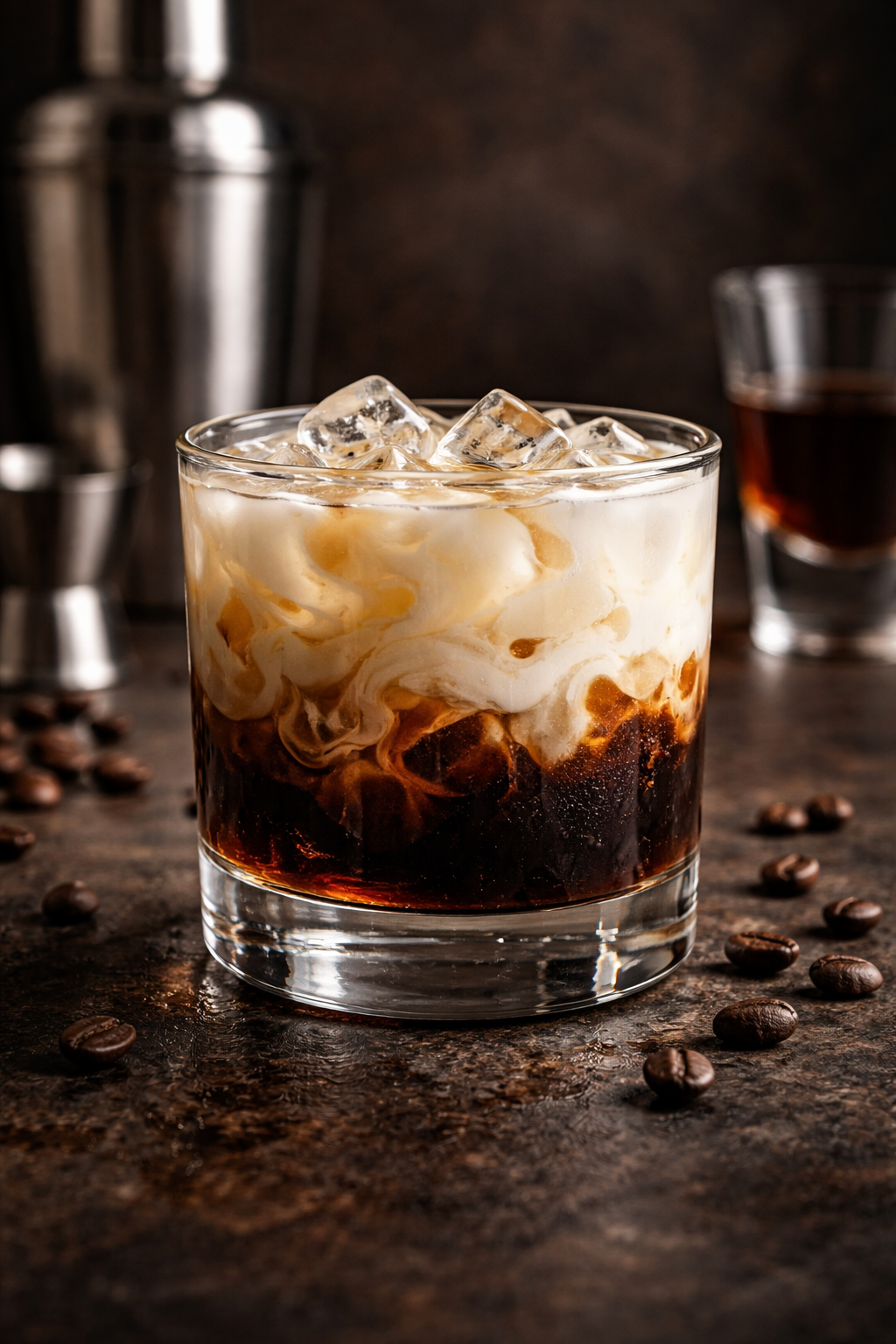
Not every cocktail fits every crowd. Explore flavor profile, occasion suitability, batching potential, and guest appeal before you commit to serving it.
Use Ice as a Structural Ingredient
Ice is not just there to chill. It controls dilution, which is essential to balance.
Too little dilution makes a drink feel aggressive. Too much flattens it. When free-pouring, ice becomes your regulator. Large, solid ice slows dilution. Smaller ice speeds it up.
Understanding this is central to building drinks without measuring, and it is explored in depth in The Art of Garnishing: Elevating the Cocktail Experience, where ice is treated as part of presentation and structure, not an afterthought.
Taste Before You Finish the Drink
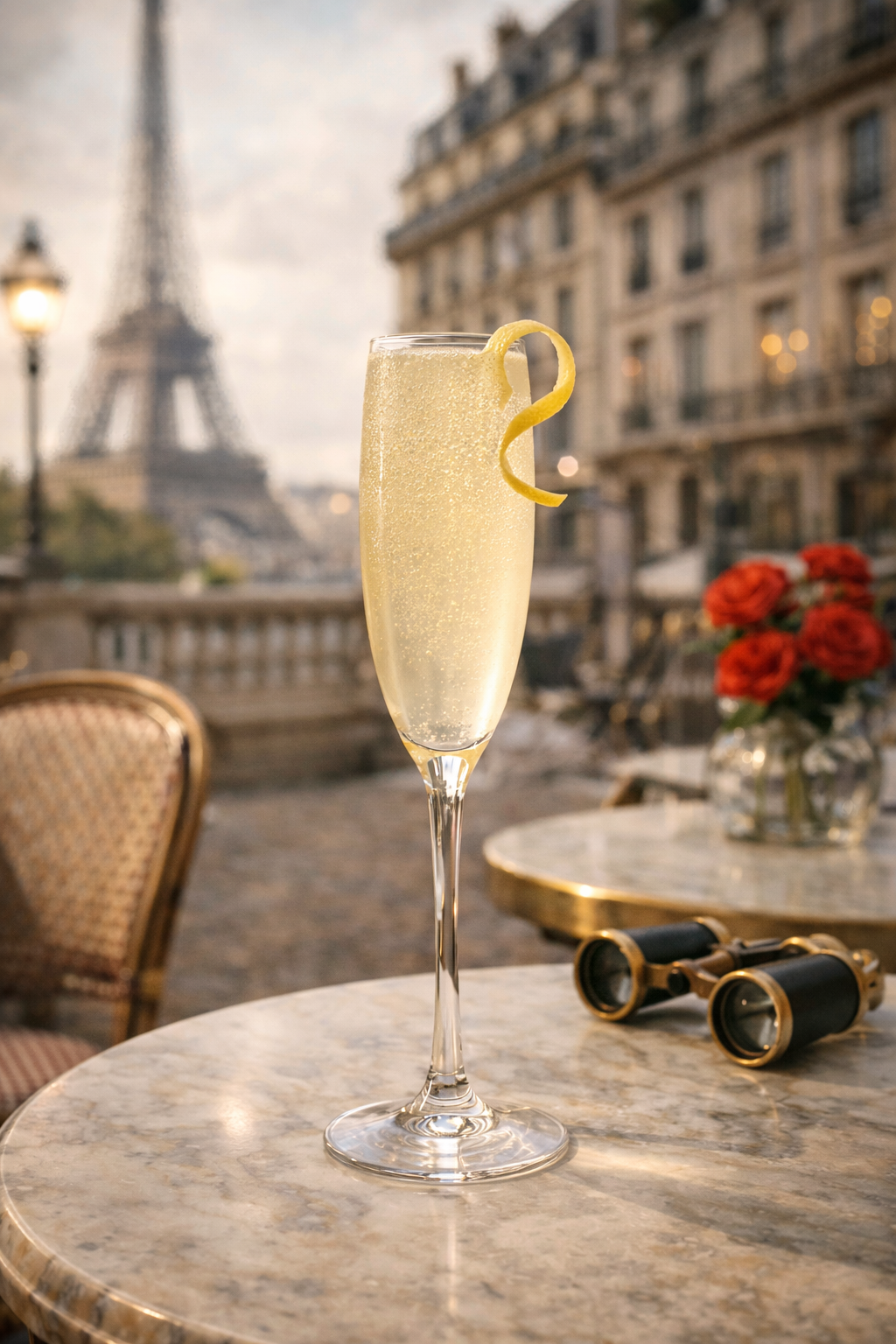


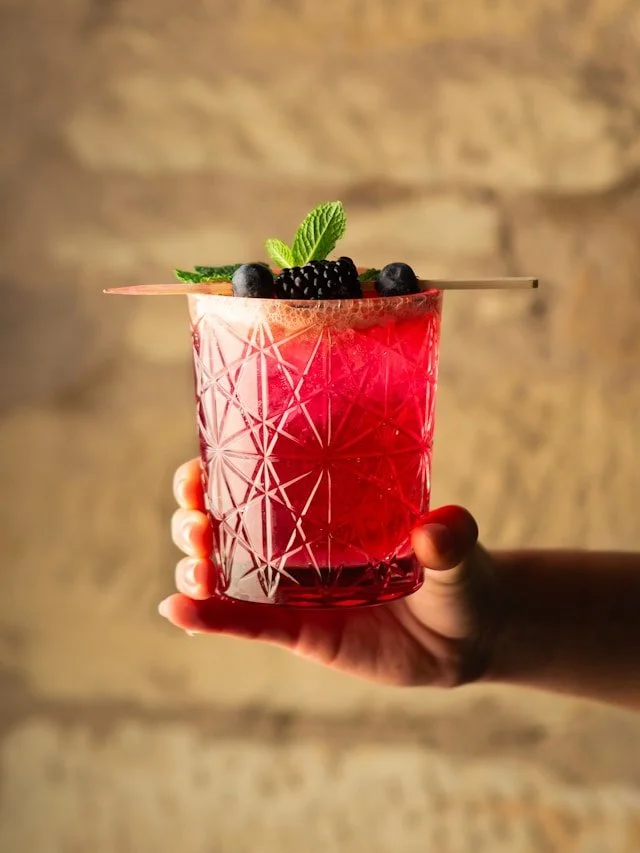
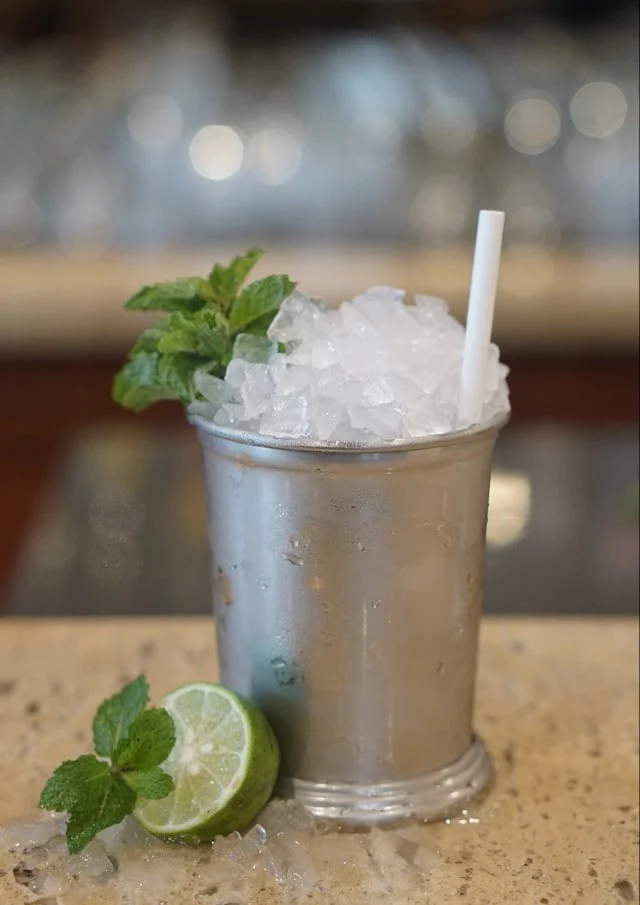
Professional bartenders taste constantly. Not out of indulgence, but necessity.
Before straining or topping, take a small sip. At this stage, you are tasting potential, not perfection. Ask simple questions:
Is it sharp?
Is it flat?
Is it heavy?
A small adjustment at this moment saves the entire drink. One more splash of citrus, a dash of bitterness, or a touch more dilution often brings everything into alignment.
Bitterness Is a Tool, Not a Punishment
Bitterness often intimidates home drinkers, but it is one of the easiest ways to correct imbalance.
A dash of bitterness tightens sweetness and adds length to the finish. This is why aperitif-style cocktails like the Americano feel refreshing despite containing sweet components.
When building without measuring, bitterness acts as a counterweight. It gives structure without increasing volume.
Let the Base Spirit Set the Tone
Not all spirits behave the same way.
Some spirits demand support. Others demand restraint. Understanding the character of your base spirit makes balance intuitive.
For example, rye-driven drinks like the Manhattan rely on bitterness and aromatics to shape their intensity. Softer spirits benefit from acid or herbal lift.
When you trust the spirit to lead, you stop overbuilding around it.
Why This Works Better Than Strict Measuring at Home
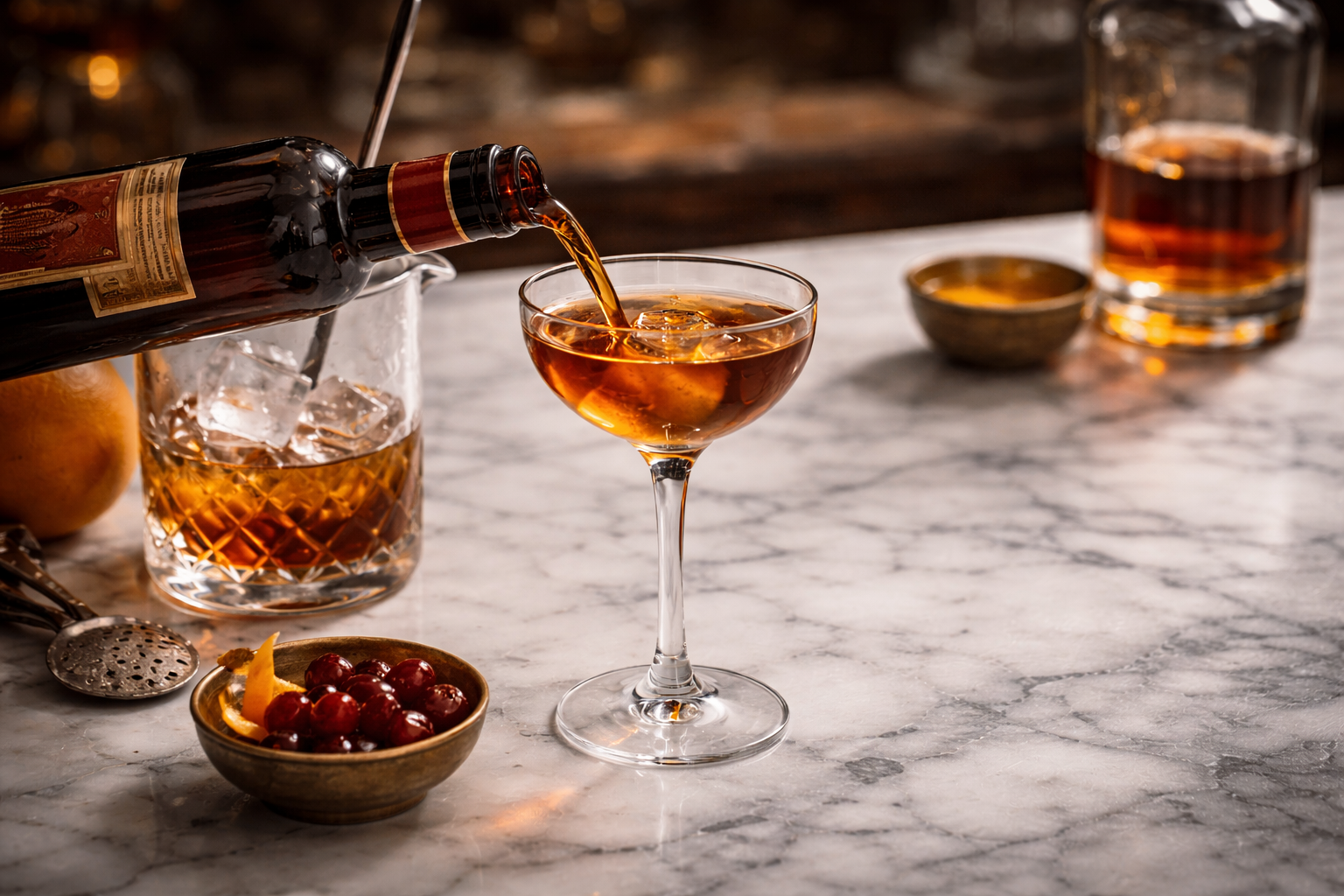
Measuring is consistent, but it can be rigid.
Home conditions vary. Ice quality changes. Glass size shifts. Ingredients behave differently day to day. Building by feel allows you to respond rather than follow instructions blindly.
This approach also mirrors good bar etiquette. Understanding how drinks are built deepens appreciation when you sit at the bar, something reinforced in The Ultimate Guide to Bar Etiquette for Guests and Bartenders.
Balance Feels Quiet When You Get It Right
A balanced cocktail does not announce itself.
It feels settled. The first sip makes sense. The last sip does not fatigue. You finish the glass without feeling rushed or overwhelmed.
Building cocktails without measuring everything is not about abandoning technique. It is about internalising it so thoroughly that balance becomes instinctive.
Once that happens, your hands slow down, your palate sharpens, and cocktails stop feeling like recipes and start feeling like conversations.