Coffee Classics: Egyptian Ahwa Coffee (Egypt)
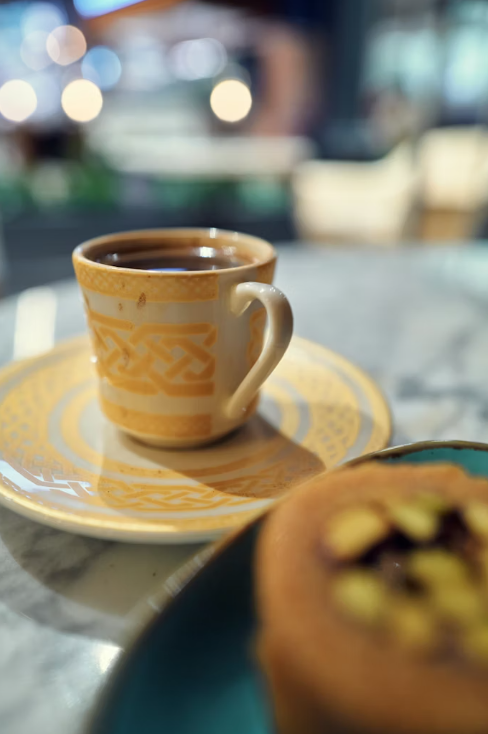
Egyptian Ahwa Coffee is a drink shaped by street corners, open-air cafés, and long conversations that stretch into the evening. Known simply as “ahwa”, it is served in traditional coffeehouses where people gather to read, debate, play backgammon, watch the street move, and share quiet moments. The drink itself resembles Turkish coffee in preparation, yet Ahwa carries its own rhythm and cultural presence. It is thick, dark, sweetened according to preference, and often brewed with cardamom for a gentle aromatic lift.
The method is simple, but the mood surrounding it defines the experience. Small copper pots heat over steady flames. Fine coffee dissolves into water slowly, forming a soft foam at the surface. Cups are small and handleless. Sugar levels vary from mildly sweet to intensely sugary, depending on how the guest requests it. Ahwa is not rushed. Like the thoughtful pacing found in Sarnies Café Sukhumvit, this style of brewing invites you to sit, stay, and let the aroma settle into the room before taking the first sip.
The addition of cardamom is one of the defining traits of Ahwa. Some cafés use whole pods, cracked gently to release their oils. Others use ground cardamom mixed directly into the coffee. Its soft floral quality brightens the dense brew, giving it depth without overpowering the natural flavour of the roast. This layering of aromatics mirrors the care found in establishments such as Ogawa Coffee, where aroma and temperature guide every movement.
Ahwa is calm, steady, and intentionally simple. It is designed to be shared, not consumed on the run. The first sip is earthy and concentrated. The sweetness softens the edges. The cardamom lingers. This is a drink meant for long mornings, slow afternoons, and evenings surrounded by familiar voices.
Steam rising softly.
Cardamom opening quietly.
A cup made for conversation.
Ingredients
For one to two servings:
1 cup water (240 ml)
1 tablespoon finely ground Arabica coffee
1 to 2 teaspoons sugar, or as preferred
Optional:
1 cracked cardamom pod
A pinch of ground cardamom
Equipment Needed
Essential
Small copper cezve or pot
Allows slow, even heating and creates the characteristic foam.
Demitasse cups
Traditional for serving Ahwa in small, concentrated portions.
Measuring spoon
Controls sweetness and coffee strength.
Optional
Fine-mesh strainer
Not traditionally used, but helpful if you prefer less sediment.
Manual grinder
Ensures coffee is ground finely enough for proper extraction.
Why These Tools Matter
A cezve heats from the bottom in a focused way, which encourages soft foaming.
Finely ground coffee dissolves into the water, creating the signature thick body.
A small cup intensifies aroma, allowing the cardamom notes to bloom.
Method
1. Combine Ingredients in the Pot
Add the water, coffee, and sugar into the cezve while the pot is still cold.
If using cardamom, add the cracked pod or pinch of ground cardamom now.
2. Heat Slowly
Set the pot over low heat.
Allow the mixture to warm slowly so the foam rises gradually.
This slow ascent preserves aromatics and prevents bitterness.
3. Watch for the Foam
When the foam reaches the top edge of the pot, remove it from heat briefly.
Do not let it boil rapidly.
This step helps create the characteristic crema-like layer.
4. Repeat Heating (Optional)
Some cafés repeat the foaming step once more to deepen flavour.
Keep the movement gentle and controlled.
5. Rest the Brew
Allow the pot to sit for 20 to 30 seconds so the grounds settle naturally.
6. Pour Slowly
Pour into small cups in a steady ribbon.
The foam should sit at the top, carrying the aroma of the roast and spices.
7. Serve Immediately
Ahwa is best served hot, while its aroma remains concentrated and bright.
Notes
Sugar level is part of the order. Many Egyptians ask for “mazboot”, the balanced middle level.
Freshly ground cardamom provides the most expressive aroma.
For deeper insight into brewing styles, visit How to Choose the Right Brewing Method.
To see how global classics compare, browse 20 Must-Try Classic Coffee Beverages From Around the World.
Ahwa pairs beautifully with quiet mornings and slow conversation, much like the steady ritual found at Gracenote Coffee.