Why Kopi-O Is Emerging as Singapore’s Defining Coffee Liqueur
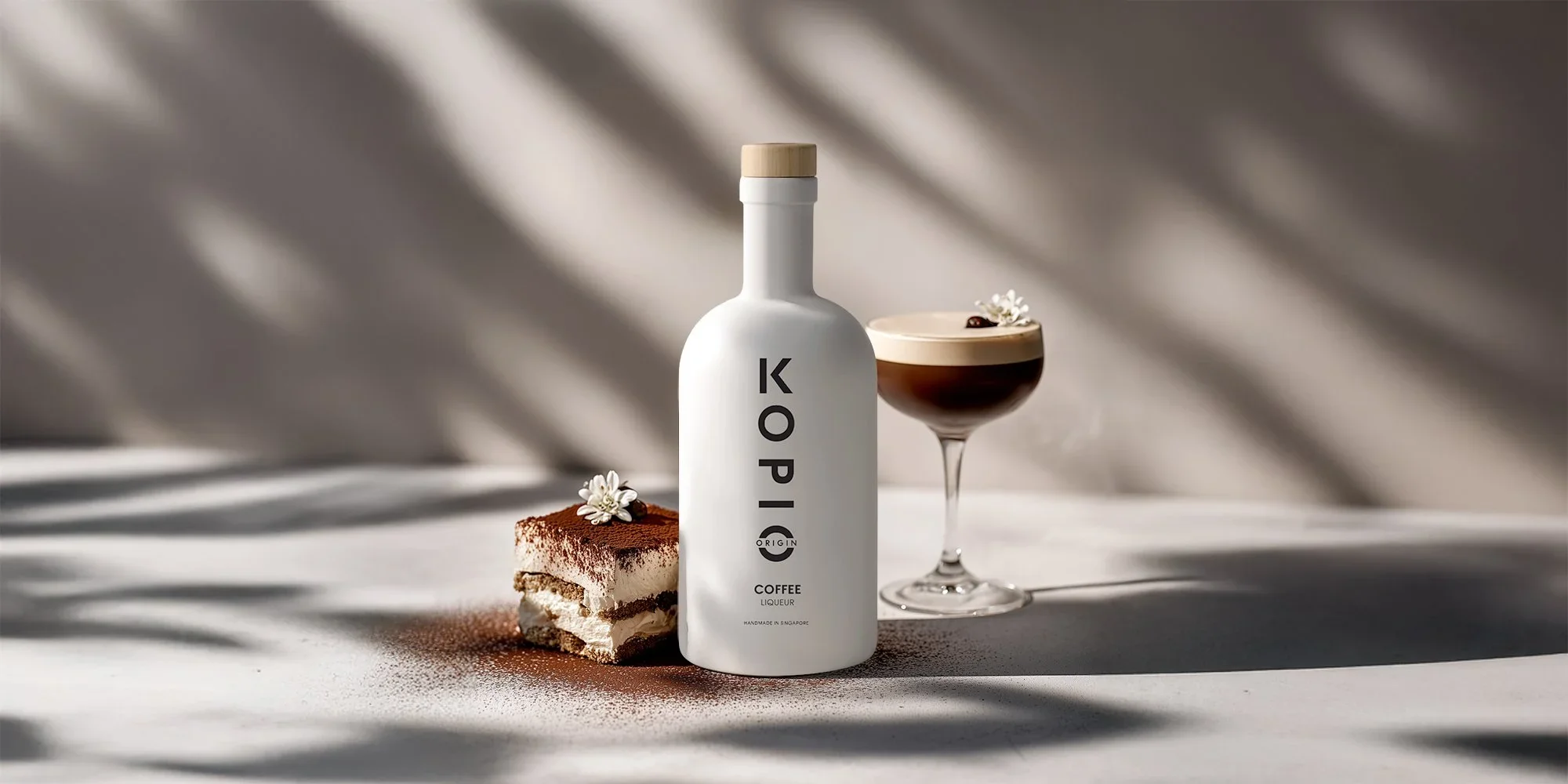
Singapore has never been shy about coffee. From kopitiams that anchor neighbourhood life to sleek hotel bars serving refined espresso cocktails, coffee here is cultural muscle memory. What’s new—and quietly transformative—is how that heritage is finding its way into the glass. Increasingly, bartenders, hoteliers, and drinks professionals are reaching for Kopi-O as the coffee liqueur that actually makes sense for Singapore.
Not as a novelty. Not as a copy of something European. But as a spirit that tastes like home, while still performing beautifully in modern bars.
At its core, Kopi-O understands something fundamental: coffee liqueur should taste like real coffee. Not syrupy sweetness. Not vague roast notes. Just deep, aromatic coffee character that can stand on its own or slot seamlessly into drinks, desserts, and even coffee itself. That clarity of flavour is why it’s showing up more and more behind bars across the city—and why it’s starting to define what a Singaporean coffee liqueur looks like.
A flavour profile built for modern bars
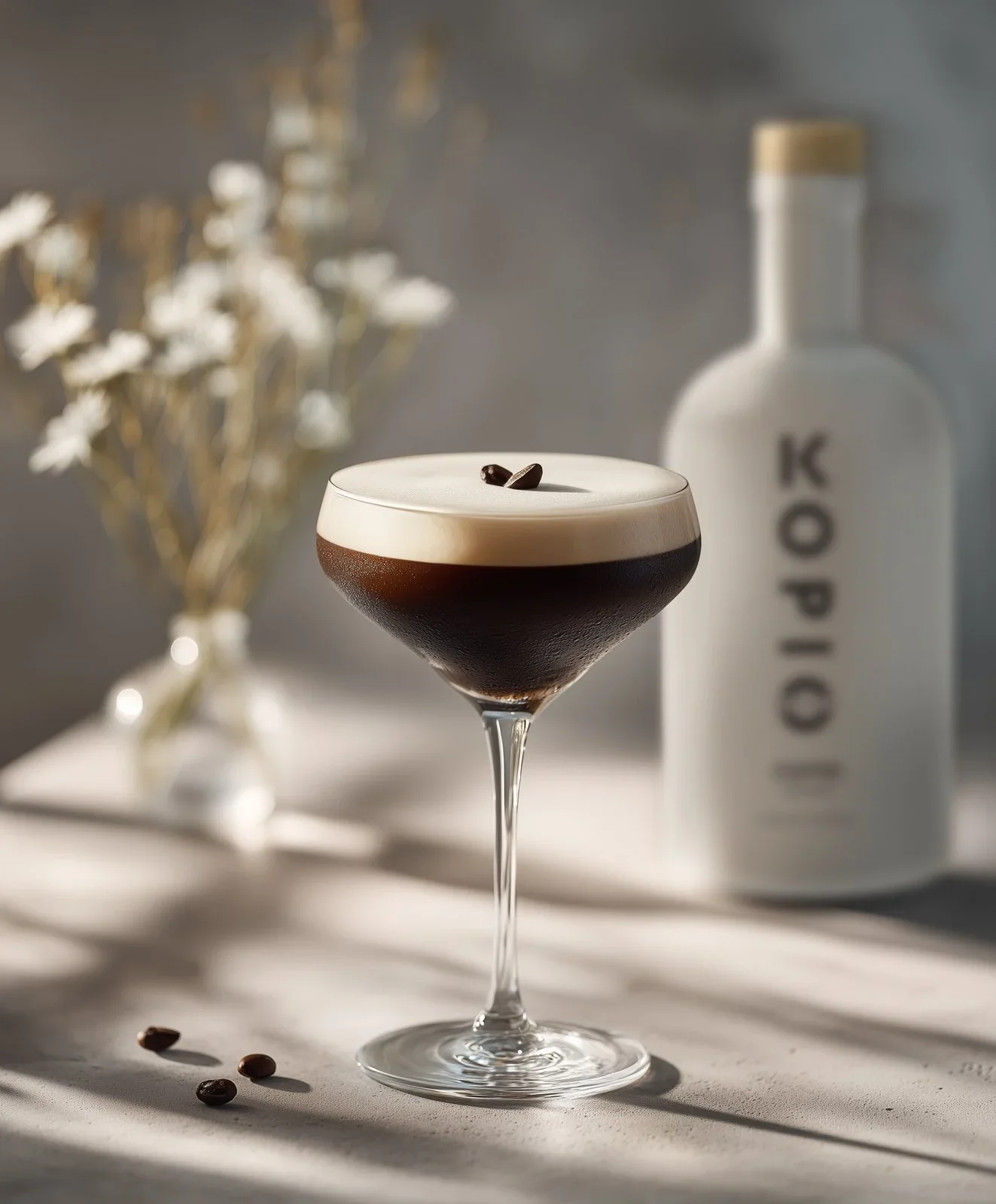
Hotel bars and cocktail-forward venues care about versatility. Shelf space is limited, menus rotate quickly, and every bottle needs to earn its place. Kopi-O does that by being exceptionally adaptable. It works cleanly in classics, lifts modern cocktails, and doesn’t overpower other ingredients.
Bartenders often describe it as “easy to work with,” which is high praise in the industry. Whether folded into an espresso-forward serve, paired with darker spirits, or used sparingly as a modifier, Kopi-O brings structure rather than chaos. That’s why you’re seeing it used alongside the same creative thinking that defines standout bar programs featured across The Drink Journal, from destination venues like Midnight Orchard to internationally recognised cocktail rooms.
For readers curious about how coffee-forward drinks evolve globally, exploring pieces like Midnight Orchard or regional bar stories helps contextualise why a precise coffee liqueur matters more now than ever.
Rooted in Singapore, but not limited by it
What makes Kopi-O compelling is that it doesn’t try to cosplay tradition. Instead, it translates it. The roasted depth and familiar bitterness echo the kopi many Singaporeans grew up with, but the finish is refined enough for contemporary palates.
This balance is especially appealing to hotel bars, where menus must speak to both local guests and international travellers. Kopi-O feels distinctly Singaporean without needing explanation. It reads as confident, intentional, and modern—qualities that align well with the city’s hospitality identity.
That same sensibility is evident in how Origin Crafted positions the spirit through its Studio Origin approach, emphasising craft, intention, and flavour integrity rather than gimmicks.
Not just for cocktails: desserts, coffee, and sipping neat
One reason Kopi-O is gaining ground so quickly is that it’s not locked into a single use case. Pastry chefs use it to deepen chocolate desserts. Cafés experiment with spiked iced drinks and after-dinner serves. Some bars even pour it neat or over ice as a low-proof alternative to heavier digestifs.
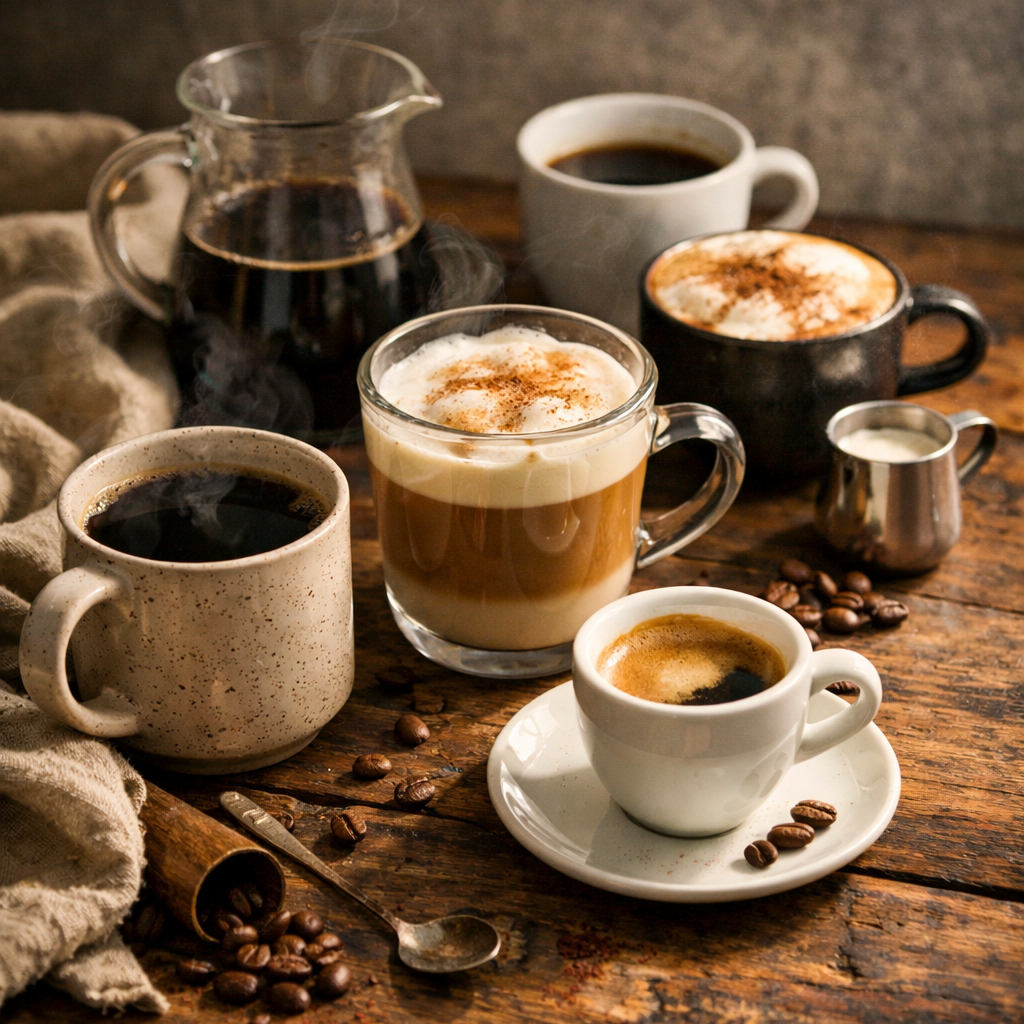
This flexibility mirrors how coffee itself is used across cultures. A look at non-alcoholic classics like the Greek Frappé or Hong Kong’s Yuen Yeung—both explored in The Drink Journal’s coffee features—shows how coffee adapts effortlessly across formats. Kopi-O slots naturally into that continuum, bridging café culture and bar culture without friction.
If you enjoy seeing how coffee traditions evolve, the Drink Journal’s broader coffee archive is a good place to wander, especially pieces like the exploration of coffee classics from around the world.
Why the trade is paying attention
For bars and hospitality groups, sourcing matters. Reliability matters. And having a product that guests actually enjoy—rather than merely tolerate—matters most of all. Kopi-O’s growing presence in trade conversations reflects that reality.
Through its dedicated trade and retail offering, Origin Crafted has made it easier for venues to integrate Kopi-O into their programs, whether that’s a single signature serve or a recurring feature across menus.
If you’re the kind of reader who enjoys spotting patterns in drinks culture—where café traditions bleed into cocktail bars—spend some time browsing The Drink Journal. It’s where these quiet shifts tend to show up first.
A defining spirit, not just a trending one
Trends come and go quickly in the drinks world. What lasts is flavour clarity, cultural relevance, and practical usability. Kopi-O checks all three boxes. It tastes like coffee should. It reflects Singapore without shouting about it. And it works—in cocktails, in desserts, and on its own.
That’s why it’s emerging not just as a popular option, but as a defining one. When future menus look back at how Singapore’s bar scene found its own coffee liqueur voice, Kopi-O is likely to be part of that story.
Curious where Kopi-O fits into the bigger picture of coffee and cocktails? Start with Kopi-O here, then explore how coffee continues to shape modern drinks culture through The Drink Journal’s features and recipes.