Cocktail Archive: Paper Plane (United States)
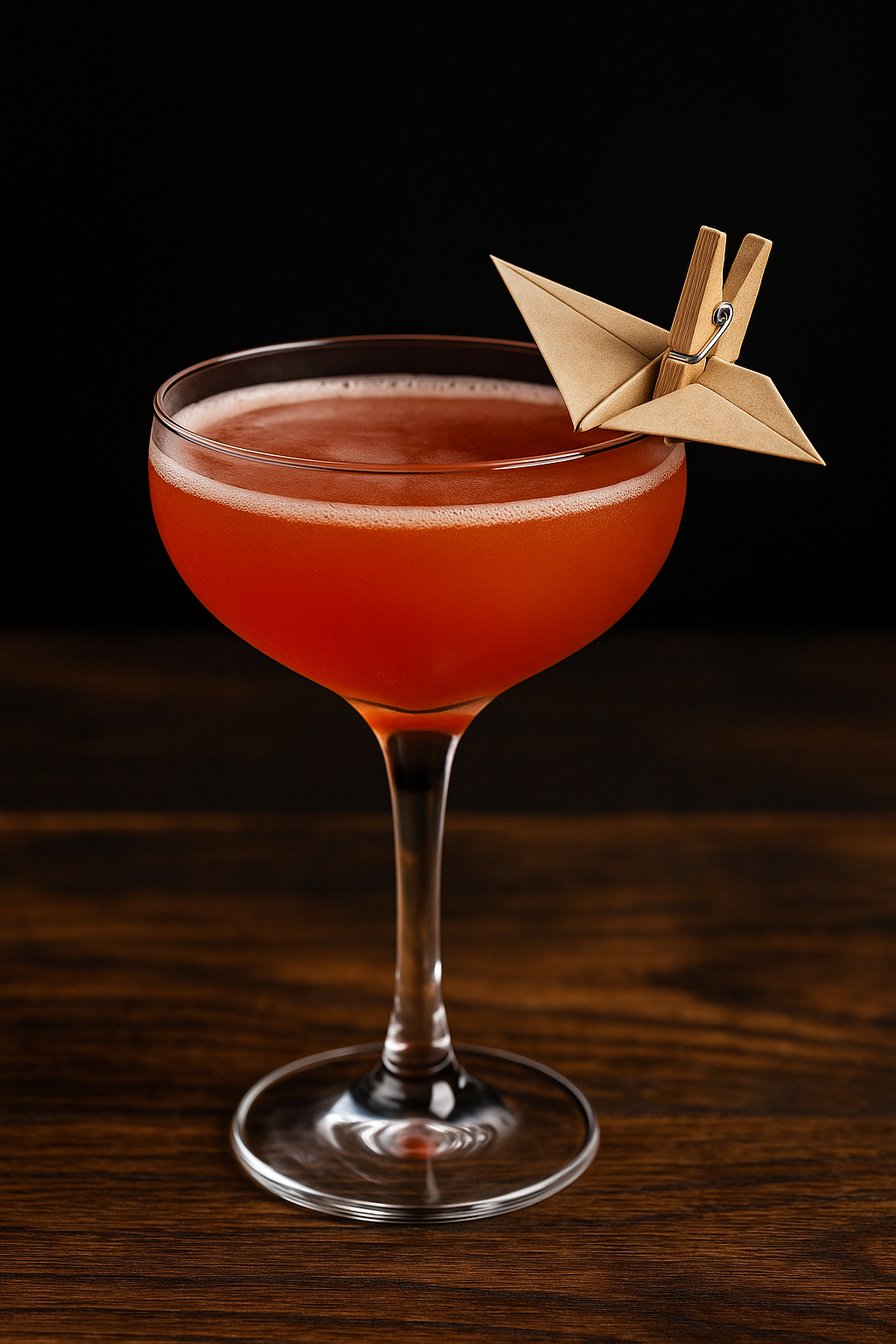
The Paper Plane feels weightless when it arrives. Bright, balanced, and quietly modern, it carries none of the heaviness often associated with whiskey cocktails. Instead, it moves with ease — citrus-forward, gently bitter, and clean on the finish. There’s a clarity to it that feels intentional, as though every element knows exactly when to speak and when to step back.
This is a cocktail built for movement. It doesn’t linger heavily on the palate, nor does it demand slow contemplation. The Paper Plane glides — approachable at first sip, memorable by the last.
Origin & Cultural Context
The Paper Plane was created in the early 21st century by bartender Sam Ross in New York City, during a period when modern classics were emerging from deep respect for traditional structure. Built as a contemporary riff on the Whiskey Sour, it retains the sour’s balance while introducing bitterness and herbal depth more commonly found in aperitivo-style drinks.
Despite its relative youth, the Paper Plane has earned a place alongside established classics. Its success reflects a broader shift in cocktail culture — one that values precision, balance, and drinkability over excess.
What Defines the Paper Plane
The Paper Plane is defined by symmetry. Equal parts across all ingredients create a structure that is both forgiving and exacting. Bourbon provides warmth, citrus brings lift, and the combination of bittersweet liqueurs adds dimension without weight.
Compared to richer whiskey drinks like the Boulevardier, the Paper Plane feels brighter and more agile. Where the Boulevardier settles, the Paper Plane moves — making it an ideal entry point into bitters-forward cocktails for those accustomed to sours.
Ingredients
Bourbon
Aperol
Amaro Nonino
Fresh lemon juice
Equipment Needed
Shaker
Strainer
Chilled coupe glass
Method
Add all ingredients to a shaker filled with ice
Shake firmly until well chilled
Strain into a chilled coupe glass
Serve immediately
Notes & Variations
Balance is everything here. Fresh lemon juice is essential, providing brightness without sharpness. Aperol contributes gentle bitterness and colour, while Amaro Nonino offers subtle spice and depth that prevents the drink from feeling thin.
While the equal-parts format is traditional, slight adjustments can be made depending on the bourbon used. Softer, sweeter styles benefit from restraint, while higher-proof or spicier bourbons can carry the structure confidently. The philosophy mirrors that of other modern whiskey drinks such as the Gold Rush, where clarity and proportion matter more than flourish.
When to Drink It
The Paper Plane is versatile. It works as an early-evening cocktail, a welcome drink, or a bridge between lighter aperitifs and deeper nightcaps. Its brightness makes it suitable year-round, while its bitterness ensures it never feels simplistic.
For readers interested in how modern cocktails achieve balance through restraint, 20 must-try modern classics provides valuable context. Presentation also plays a role, and the art of garnishing explains why the Paper Plane is traditionally left unadorned. To understand the lineage it draws from, revisiting the Whiskey Sour offers a useful point of reference, while comparing it to the Boulevardier highlights how bitterness can be expressed in very different ways.
The Paper Plane endures because it knows when to stay light — and when just enough structure is all that’s needed to fly.