Why Coffee Liqueur Makes Chocolate Mousse Taste Deeper, Not Sweeter
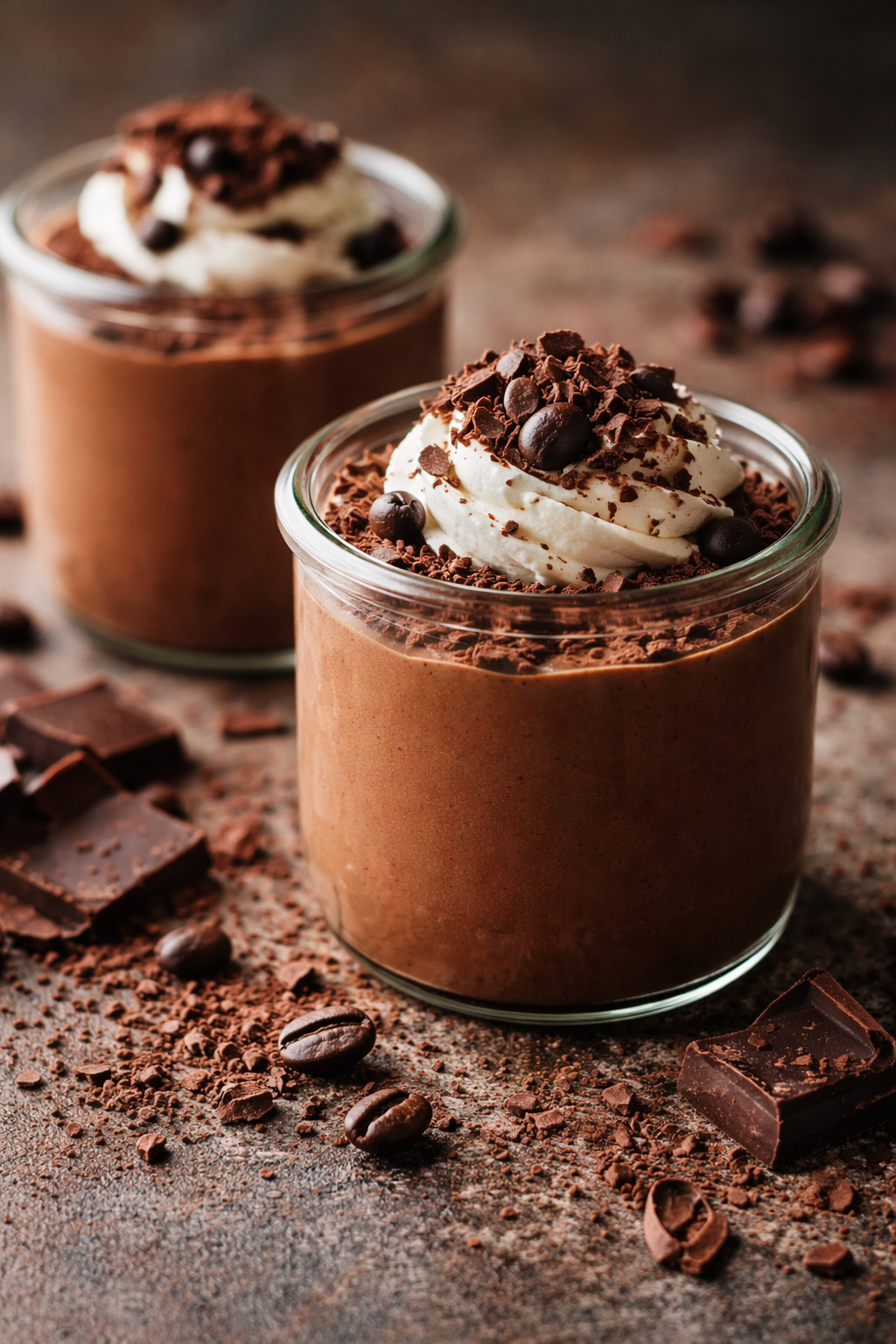
Most chocolate mousse recipes promise richness.
Few deliver balance.
Chocolate on its own is dense and lingering. Add sugar, and it becomes heavier. Add cream, and it softens — but it rarely sharpens.
The missing piece is structure.
And structure, in modern desserts, often comes from coffee.
Why Chocolate Needs Contrast
Chocolate carries fat, cocoa bitterness, and sweetness.
What it lacks is lift.
Coffee introduces aromatic sharpness, controlled bitterness, roasted depth, and a cleaner finish. But adding espresso directly can make mousse taste harsh.
What works better is integration — not intensity.
That’s where coffee liqueur changes the game.
When Coffee Is Built for Balance
A properly made coffee liqueur doesn’t just add flavour.
It blends into chocolate.
It rounds the sweetness, enhances cocoa, and deepens hazelnut notes when used thoughtfully.
We explored this harmony in When Coffee Meets Hazelnut: Why KopiO and Frangelico Belong Together, where flavour pairing is driven by structure rather than sugar.
In mousse, that same principle applies.
The KopiO Chocolate Mousse Approach
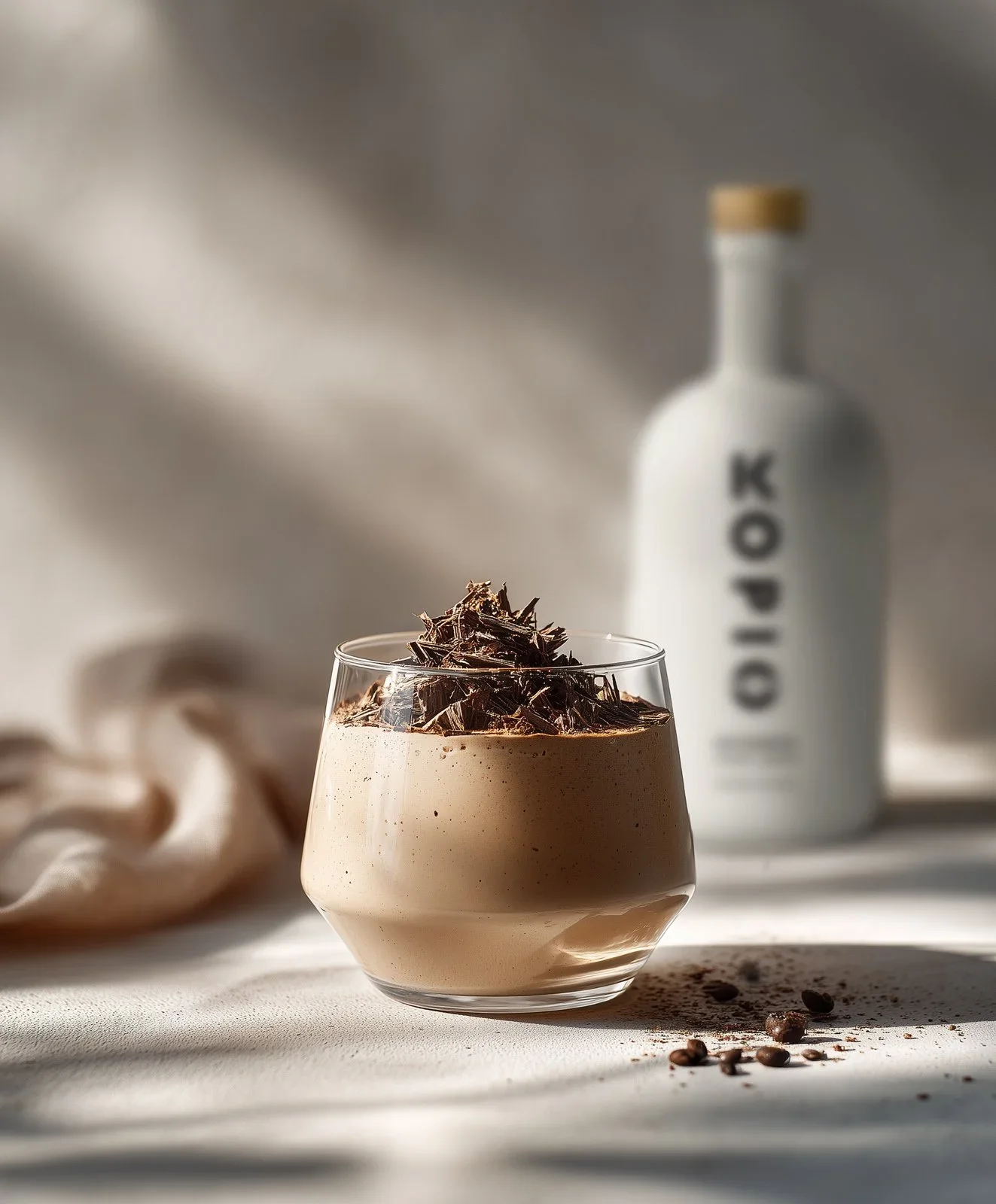
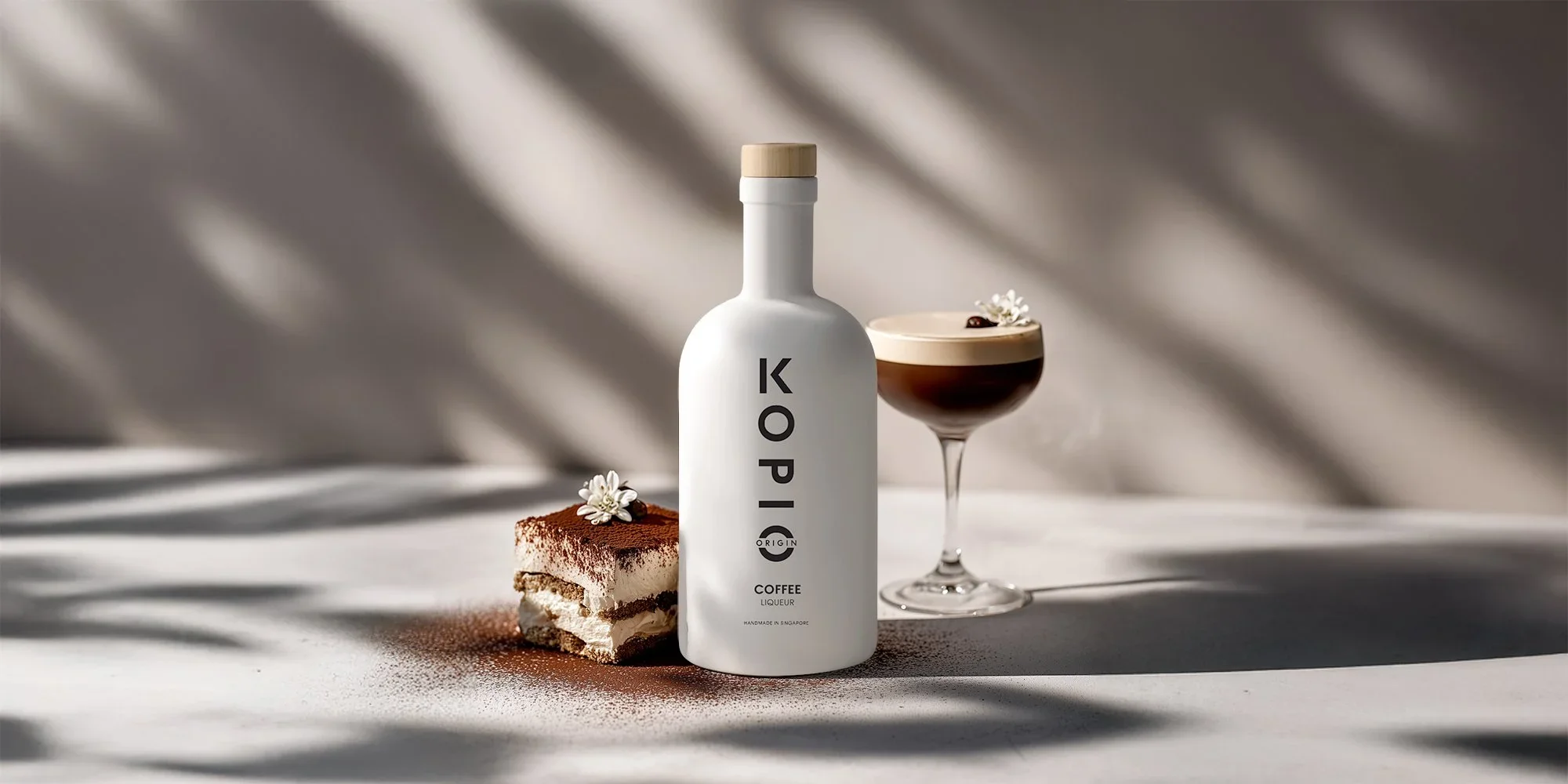
In the featured KopiO Chocolate Mousse story, the coffee liqueur doesn’t dominate the chocolate.
It integrates.
Because KopiO is crafted for pronounced yet balanced coffee character, it performs differently from syrup-heavy alternatives. It doesn’t flatten dessert — it defines it.
Why Bars and Hotels Care About This
Premium bars and hospitality groups don’t choose ingredients randomly.
They look for consistency, clean finish, real coffee character, and versatility across cocktails and desserts.
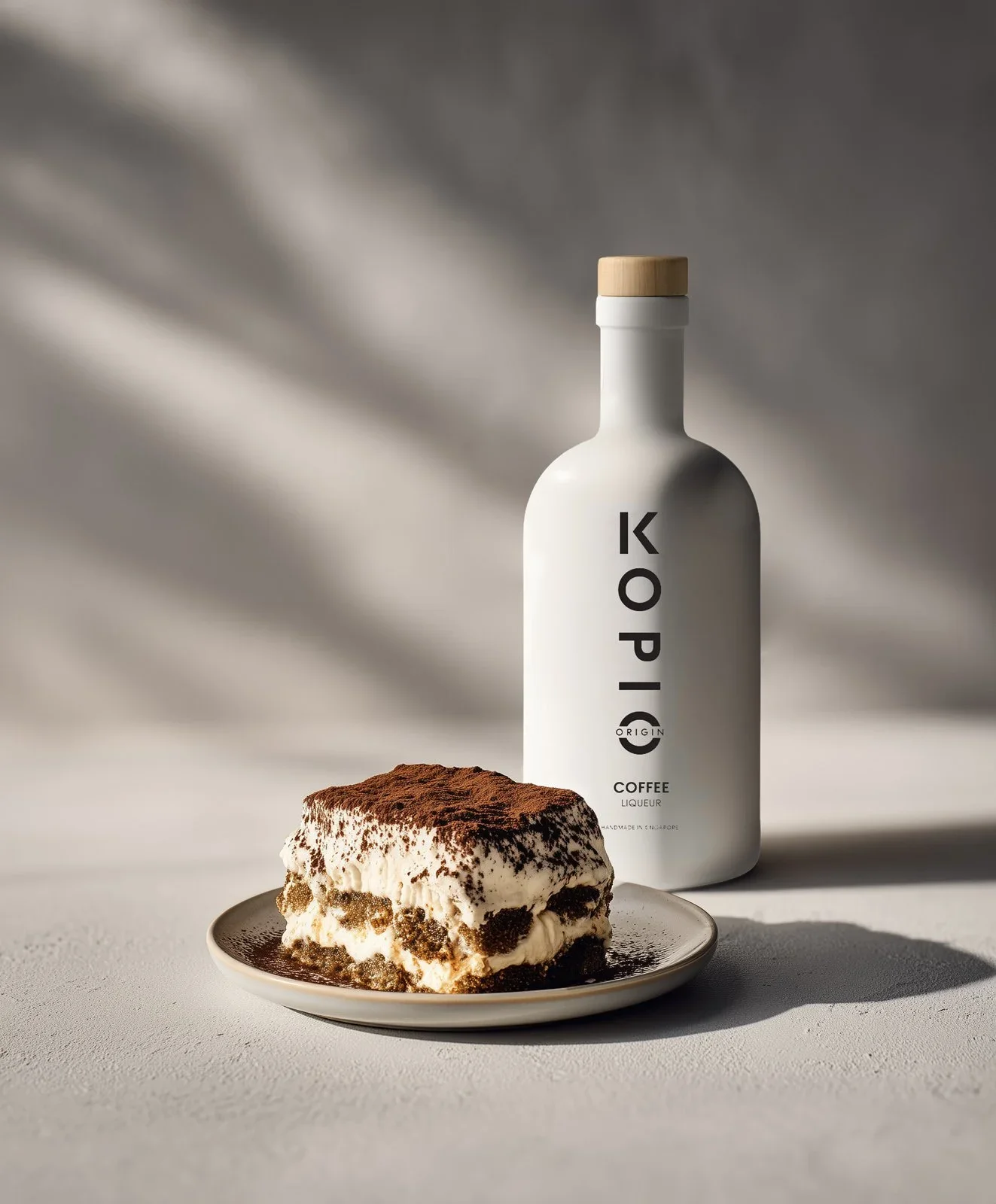
That’s the philosophy behind Origin Crafted — building a coffee liqueur designed to work in an espresso martini and in plated desserts alike.
Chocolate mousse simply becomes another canvas.
Coffee as a Culinary Ingredient
Coffee has evolved far beyond the cup.
From espresso to global preparations explored in 20 Must-Try Classic Coffee Beverages From Around the World, it has become a structural flavour component in modern kitchens.
In chocolate mousse, coffee doesn’t make it sweeter.
It makes it deeper.
And when that coffee is balanced properly, dessert becomes memorable — not heavy.
Is This the Right Drink for the Moment?
Not every cocktail fits every crowd. Explore flavor profile, occasion suitability, batching potential, and guest appeal before you commit to serving it.
Frequently Asked Questions
Does coffee liqueur make chocolate mousse taste alcoholic?
Not when used properly. A balanced coffee liqueur integrates into the chocolate, adding aroma and depth rather than sharp alcohol notes.
Why use coffee liqueur instead of espresso?
Espresso can add intensity but may introduce harsh bitterness. A well-crafted coffee liqueur offers smoother integration and controlled sweetness.
What makes a good coffee liqueur for desserts?
Look for pronounced coffee flavour, balanced sweetness, and a clean finish. Avoid overly syrupy or artificial-tasting products.
Can coffee liqueur work beyond mousse?
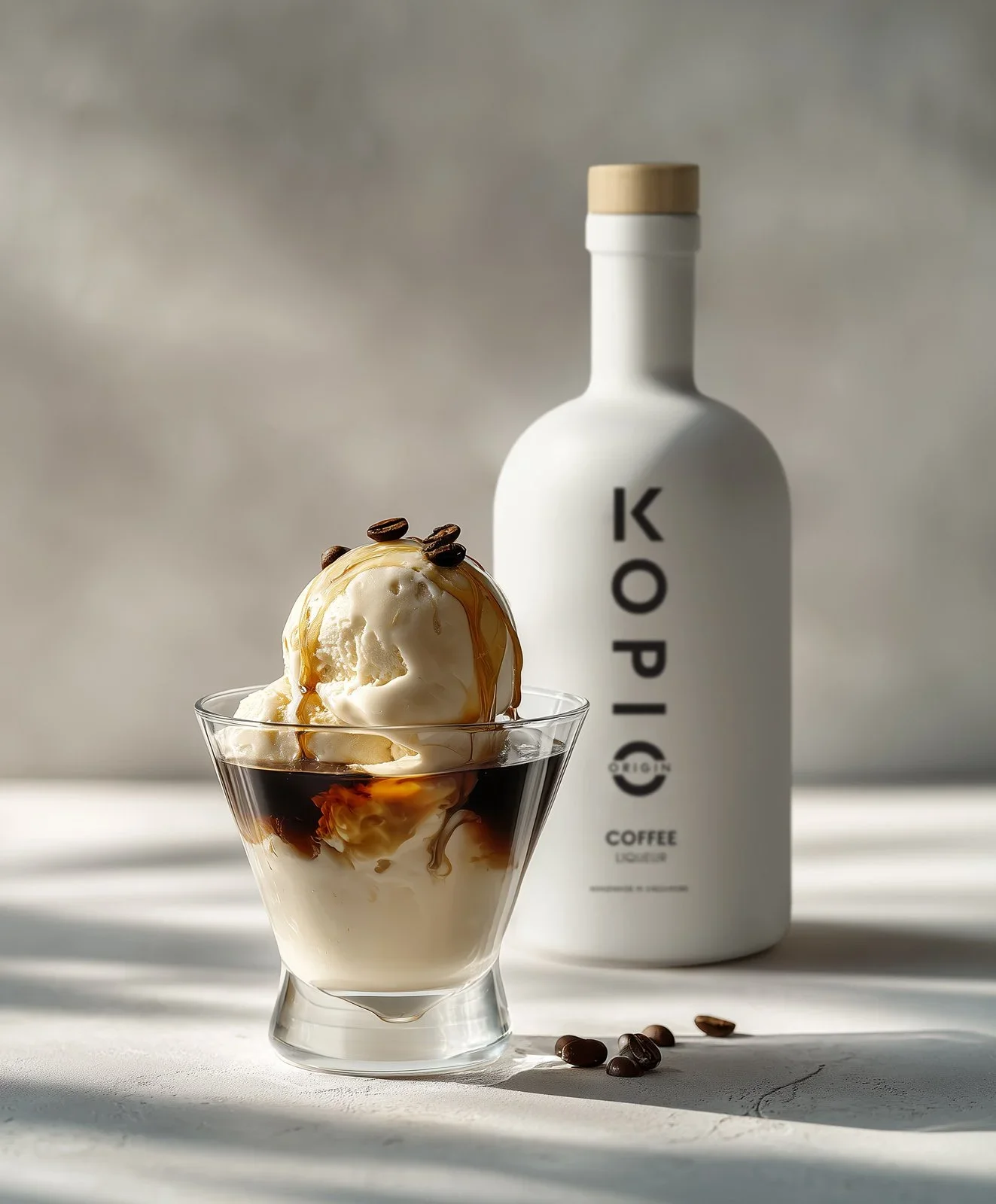
Yes. It performs well in tiramisu, chocolate ganache, affogato variations, and classic cocktails like the espresso martini.
More Coffee Pairings & Ingredient Stories