How to Read a Cocktail Menu When You Don’t Recognise Half the Drinks
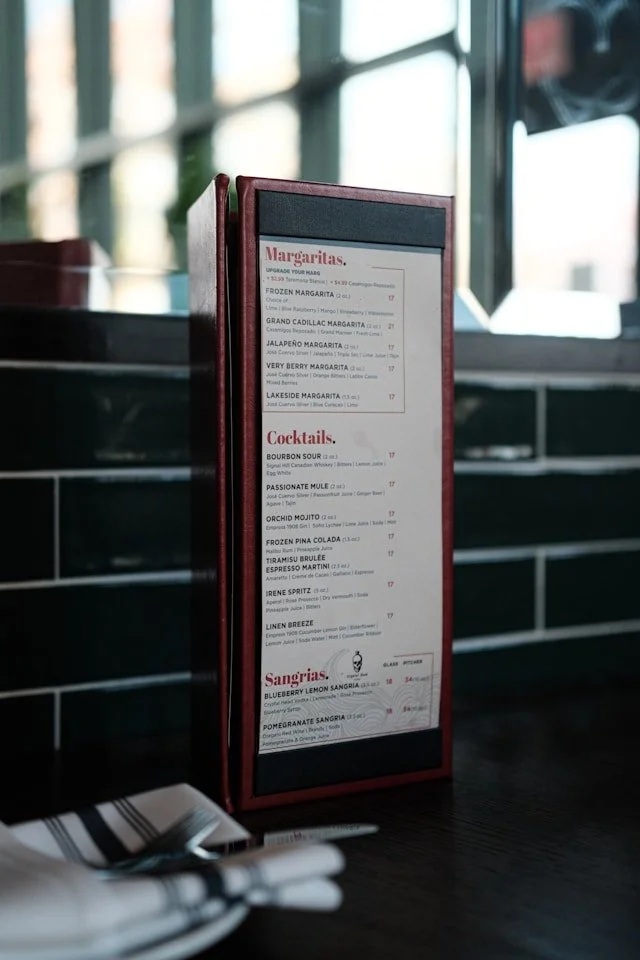
Walking into a good bar should feel inviting, not intimidating. Yet many cocktail menus are written in a quiet shorthand that assumes familiarity: spirits you may not drink at home, house styles hinted at rather than explained, and drink names that reference places, history, or inside jokes.
This guide is about learning how to read a cocktail menu, not memorise it. Once you understand how menus are structured and what bartenders are communicating between the lines, ordering becomes calmer, more confident, and far more enjoyable.
This philosophy sits at the heart of The Drink Journal — drinks as experience, not performance.
Start With the Base Spirit, Not the Drink Name
When you don’t recognise half the drink names, ignore them. Names are often poetic or deliberately vague. What matters first is the base spirit.
Scan the menu and look for gin, whisky, rum, tequila, or aperitif-led drinks. This immediately anchors you to flavours you already understand.
If you enjoy spirit-forward drinks, recognising something structurally similar to a Manhattan helps you order confidently, even if the ingredients are unfamiliar. Likewise, anyone comfortable with bitterness will feel at home spotting variations inspired by the Negroni.
Decode the Structure Hidden in the Ingredients
Cocktail menus almost always follow classic structures, even when the ingredients look obscure.
A short list featuring spirit, fortified wine, and bitters usually signals a stirred, contemplative drink. Citrus paired with sugar or liqueur points to a shaken cocktail with brightness and lift. Aperitifs topped with soda suggest something lighter and sessionable.
Seeing how these structures repeat is easier once you’re familiar with the modern canon. 20 Must-Try Modern Classics shows how contemporary bars reinterpret these foundations rather than abandon them.
Notice How the Menu Is Grouped
Thoughtful cocktail bars rarely list drinks randomly. Menus are often grouped by intention.
Sections such as “Stirred,” “Shaken,” or “Highballs” quietly tell you how a drink will feel before you taste it. Even poetic section names usually indicate weight, temperature, or pacing.
This is the same logic used by bars like Penicillin, Hong Kong, where menus are designed to guide the evening naturally rather than overwhelm the guest.
Is This the Right Drink for the Moment?
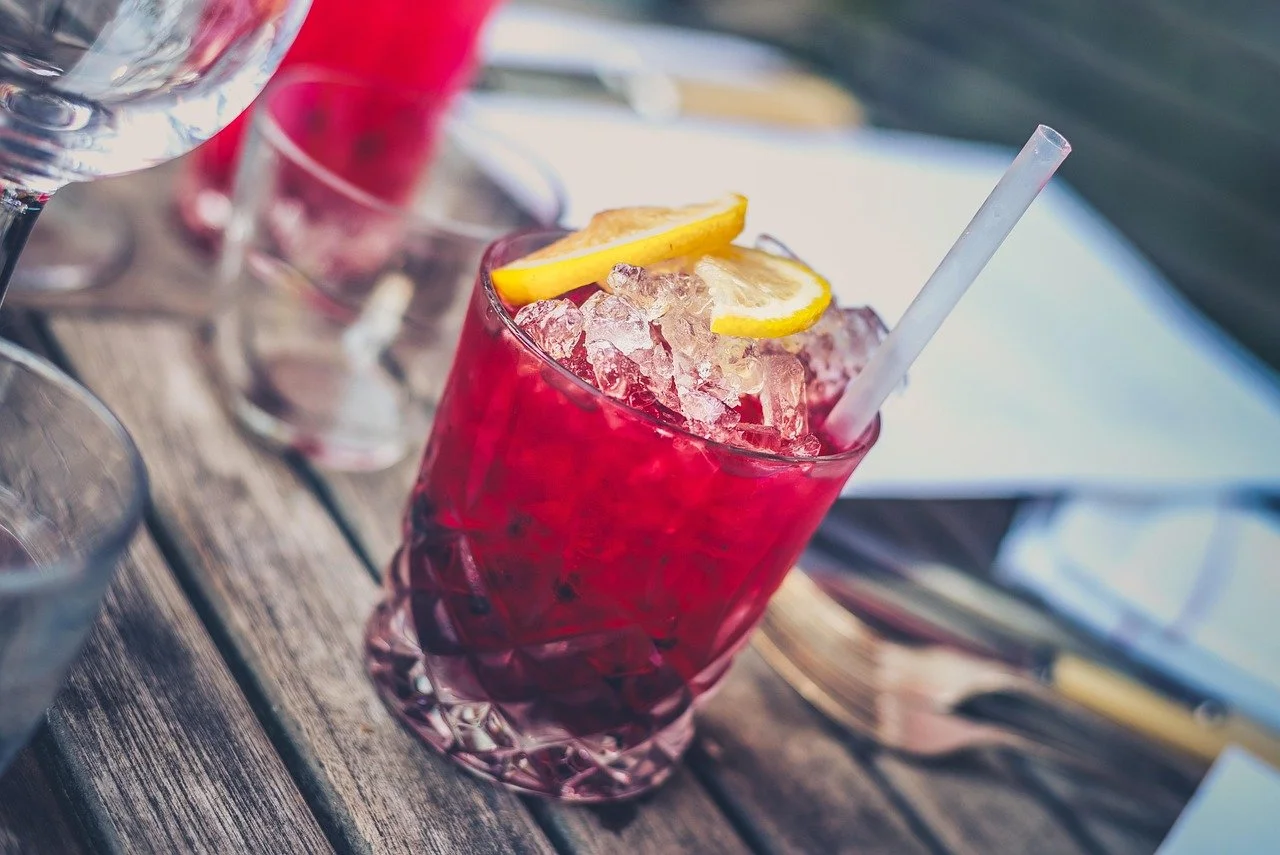
Not every cocktail fits every crowd. Explore flavor profile, occasion suitability, batching potential, and guest appeal before you commit to serving it.
Use Familiar Drinks as Anchors
Many menus reference classics without naming them directly.
If you see citrus, sugar, and a base spirit, you’re likely in sour territory. Understanding how a Whiskey Sour behaves gives you a reliable reference point, even when the bar tweaks texture, acidity, or sweetness.
Anchoring unfamiliar drinks to familiar structures removes most of the guesswork.
Read the Garnish Like a Sentence
Garnishes are not decoration. They’re information.
A lemon peel suggests aromatic lift. A cherry implies richness. Herbs point toward freshness. Spices hint at warmth and lingering finish.
If you want to understand how garnish shapes flavour before the first sip, The Art of Garnishing: Elevating the Cocktail Experience explains why restraint is often more powerful than excess.
Let the Menu Tell You How to Order
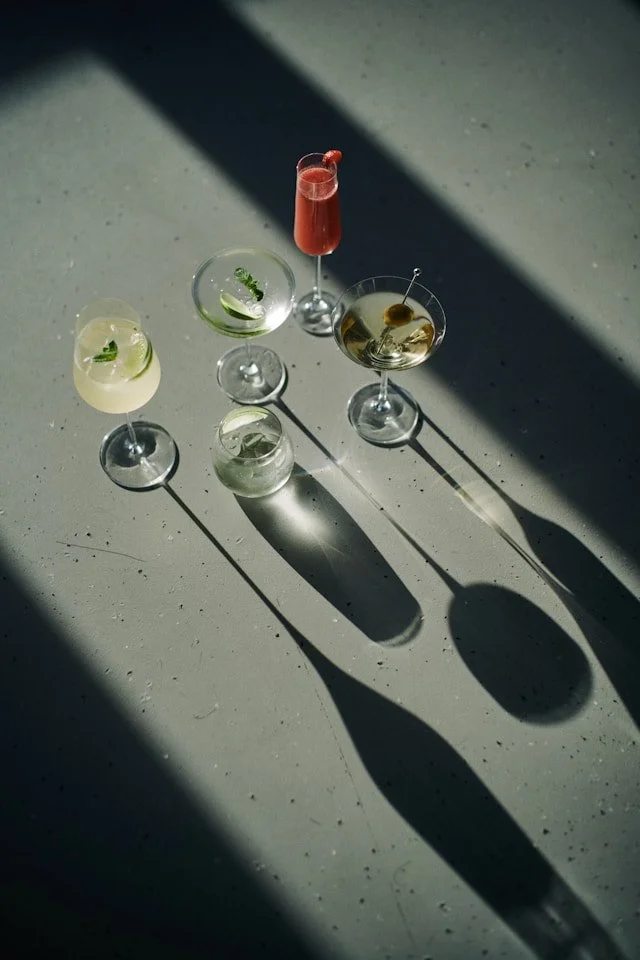
Phrases like “bartender’s choice,” “seasonal,” or “ask us” are invitations, not tests.
If a drink sounds interesting but unclear, describe preferences instead of guessing. Saying you enjoy something bright, spirit-forward, or low in bitterness gives bartenders meaningful direction.
If ordering ever feels awkward, The Ultimate Guide to Bar Etiquette for Guests and Bartenders explains how these conversations are meant to feel collaborative rather than performative.
Trust the Bar’s Point of View
A short menu is often a sign of confidence. It reflects what the bar does well, not everything it could make.
Ordering within that vision almost always leads to a better experience. Many of the venues featured across The Drink Journal are built on restraint, clarity, and repetition of craft rather than endless choice.
When in Doubt, Ask for a Feeling
The simplest way to order from an unfamiliar menu is to describe how you want the drink to feel: calm, bright, complex, gentle, or warming.
Bartenders think in sensations as much as ingredients. When you speak that language, the menu stops being a puzzle and becomes a conversation.
Continue Exploring
You may enjoy learning How to Taste a Cocktail Properly Beyond the First Sip, or exploring balance through How to Pair Cocktails With Food.
For more drink guides, bar stories, and thoughtful drinking culture, return to The Drink Journal.