10 Classic Cocktails That Teach You More Than Any Recipe Book
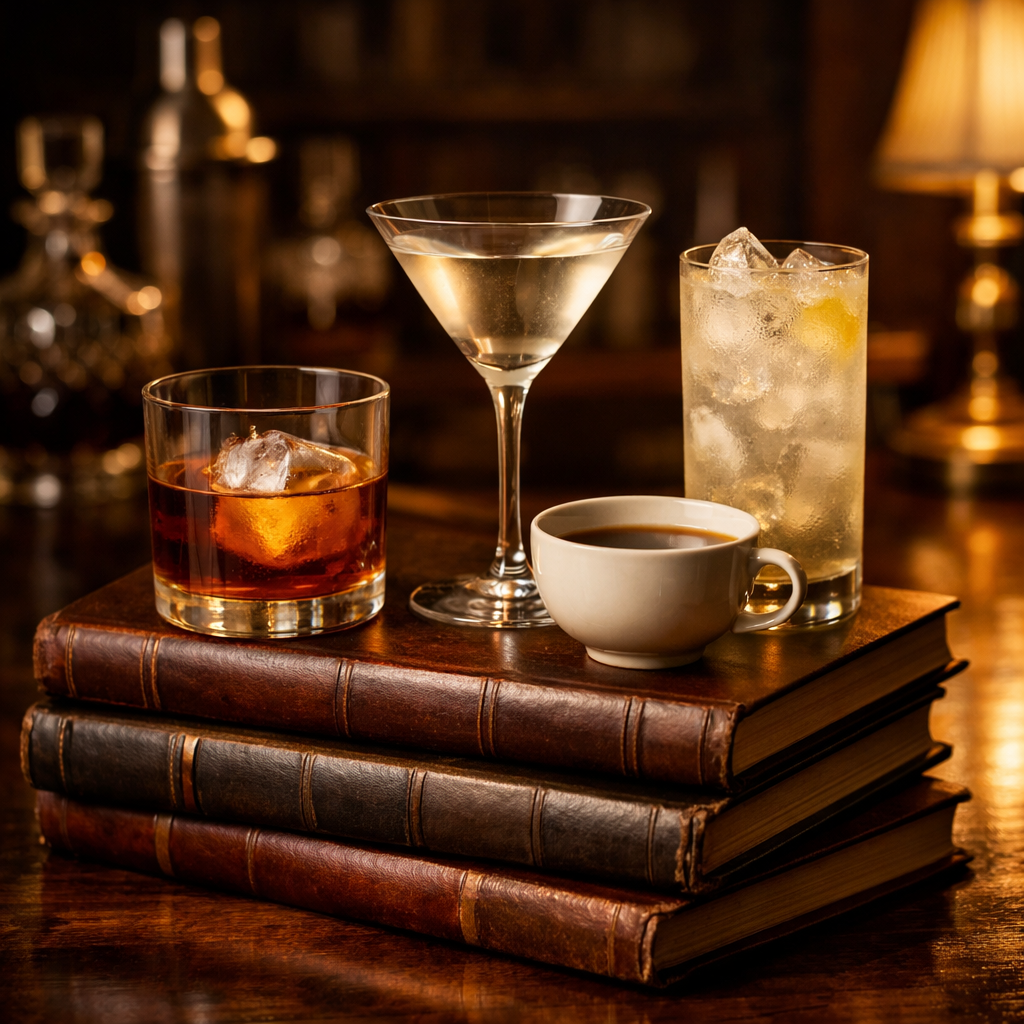
Classic cocktails are not important because they are old.
They matter because they teach structure.
Each enduring drink is a lesson in balance, dilution, texture, and restraint. You do not learn these lessons by memorising ratios. You learn them by tasting how a small set of ingredients behaves when everything is in the right place.
This guide looks at ten classic cocktails that quietly educate your palate. Drink them with attention and they will teach you more about cocktail craft than any recipe book ever could.
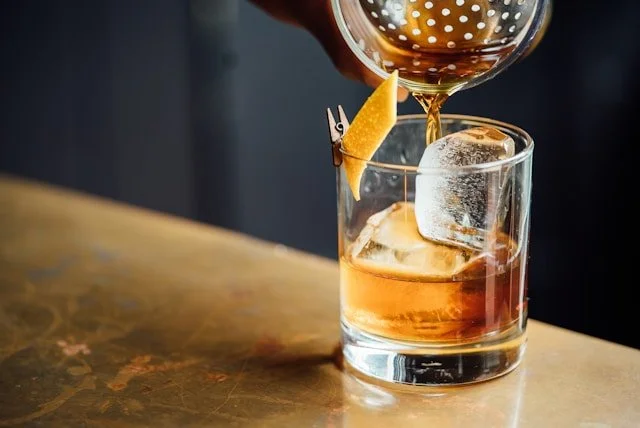
1. Old Fashioned
Lesson: Structure and restraint
The Old Fashioned strips the cocktail down to its skeleton: spirit, sugar, bitters, dilution.
There is nowhere to hide. Too much sugar and the drink collapses. Too little dilution and it burns. When made well, it shows how balance does not require complexity.
Old Fashioned, United States
This is the drink that teaches you to respect simplicity.
2. Martini
Lesson: Temperature and precision
The Martini is unforgiving.
Small changes in dilution, temperature, or proportion dramatically alter the experience. A good Martini feels seamless. A bad one feels sharp, flabby, or empty.
It trains your sensitivity to cold, texture, and finish. Once you understand this drink, you start noticing precision everywhere else.
3. Negroni
Lesson: Bitterness as balance
The Negroni teaches that bitterness is not an accent. It is a pillar.
Spirit, bitter liqueur, and fortified wine carry equal weight. The drink works only when all three hold their ground.
Negroni, Italy
This is where many drinkers learn that balance does not mean sweetness.
4. Manhattan
Lesson: Integration
The Manhattan shows how alcohol can move through a drink instead of sitting on top of it.
Sweetness, bitterness, and dilution exist to distribute strength evenly across the palate. When done correctly, no single sip spikes or fades.
Manhattan, United States
It is a lesson in cohesion.
5. Daiquiri
Lesson: Acid discipline
Few drinks reveal imbalance faster than a Daiquiri.
Too much acid and it screams. Too little and it goes limp. The correct balance feels effortless, refreshing, and complete.
This drink teaches you to respect citrus as a structural element, not just a flavour.
6. Whiskey Sour
Lesson: Sweetness as support
The Whiskey Sour teaches that sweetness is not decoration. It is architecture.
Sugar exists to frame acidity and alcohol, not overpower them. When the drink is right, nothing tastes sweet, yet nothing tastes harsh.
Whiskey Sour, United States
This is often the first moment drinkers understand what balance really means.
7. Sazerac
Lesson: Aroma and negative space
The Sazerac is as much about what is removed as what is added.
Aromatic rinses, minimal sweetness, and restrained dilution create a drink that feels spacious rather than full.
Sazerac, United States
It teaches that absence can be a design choice.
8. French 75
Lesson: Controlled dilution
The French 75 demonstrates how carbonation, sweetness, and acidity can coexist without chaos.
Dilution happens gradually. The drink evolves in the glass rather than peaking immediately.
French 75, France
It trains you to notice change over time.
9. Americano
Lesson: Lower strength, full experience
The Americano proves that intensity is not required for satisfaction.
With lower alcohol and careful balance, it remains complex and engaging from first sip to last.
Americano, Italy
This drink reframes what a “serious” cocktail can be.
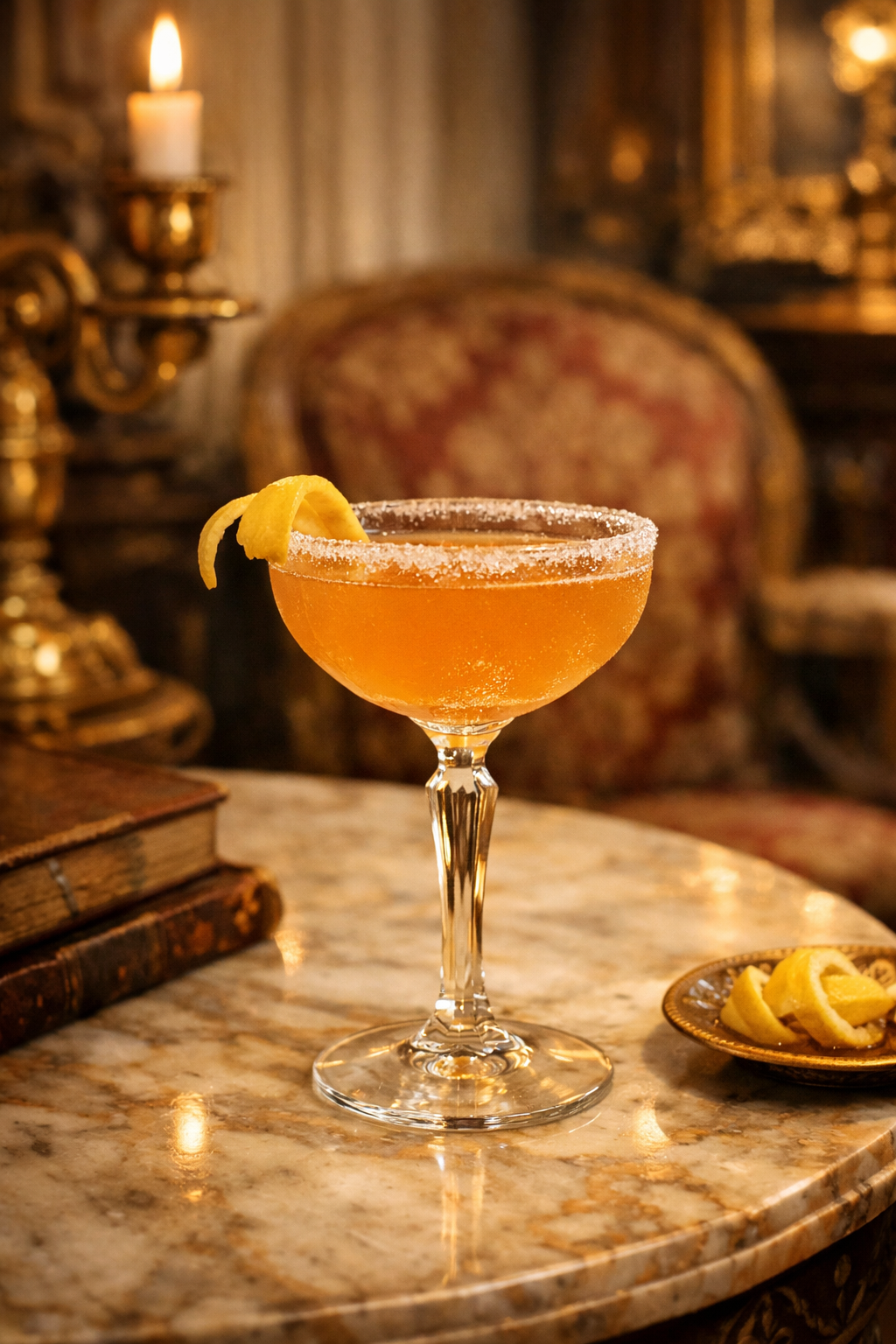
10. Sidecar
Lesson: Tension
The Sidecar lives on a knife edge between richness and sharpness.
When balanced, it feels vibrant and alive. When misjudged, it collapses instantly.
Sidecar, France
It teaches you to respect proportion more than preference.
Final Thought
Classic cocktails endure because they teach fundamentals.
Once you understand what these drinks are showing you, every modern cocktail becomes easier to read. You stop chasing novelty and start recognising structure.
👉 Explore more classics, archives, and thoughtful cocktail guides at
The Drink Journal