
Cocktail Archive: Sazerac (United States)
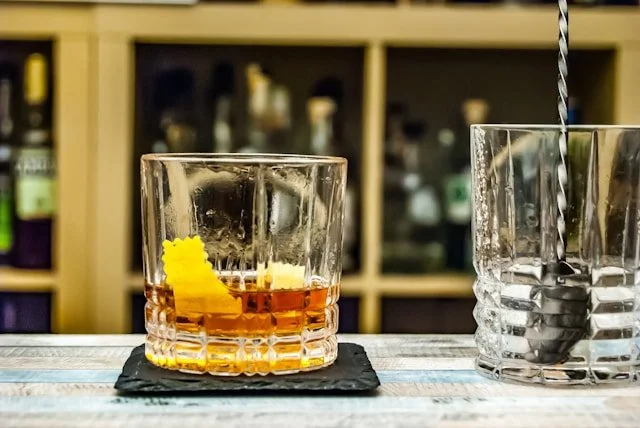
The Sazerac is a drink of quiet intensity. It does not arrive icy or exuberant, nor does it invite casual sipping. Instead, it presents itself with restraint — cool glass, lifted aromatics, and a structure that feels deliberate from the first moment. There is warmth here, but it is controlled; spice, bitterness, and sweetness held in careful balance.
This is a cocktail that asks for attention. The Sazerac rewards focus, revealing itself in layers rather than gestures. Each sip feels anchored, almost architectural, with flavours that linger long after the glass is set down. It is less about refreshment and more about presence.
Origin & Cultural Context
The Sazerac is most closely associated with New Orleans, often cited as one of America’s earliest cocktails. Its origins trace back to the 19th century, when French brandy, Peychaud’s bitters, and sugar formed the foundation of what would become a defining expression of the city’s drinking culture.
Over time, rye whiskey replaced brandy as American tastes and availability shifted, while absinthe — later substituted by absinthe-style rinses — became a defining aromatic signature. The result is a drink that reflects New Orleans itself: European influence filtered through American adaptation, ritualised yet evolving, rooted in history without being frozen by it.
What Defines the Sazerac
The Sazerac is defined by precision. Unlike stirred classics such as the Manhattan, it is built without ice in the final glass, relying instead on careful chilling and aromatic control. The absinthe rinse is not an ingredient to be tasted directly, but a frame — a lifted herbal note that shapes the drink without overwhelming it.
Compared to the Old Fashioned, the Sazerac is drier, sharper, and more aromatic, with bitters playing a central role rather than a supporting one. It is spirit-forward, but never blunt.
Ingredients
Rye whiskey
Sugar cube or simple syrup
Peychaud’s bitters
Absinthe (for rinsing)
Lemon peel
Equipment Needed
Mixing glass
Bar spoon
Strainer
Chilled rocks glass
Method
Rinse a chilled rocks glass with absinthe and discard excess
In a mixing glass, dissolve sugar with Peychaud’s bitters
Add rye whiskey and ice, then stir until well chilled
Strain into the prepared glass without ice
Express lemon peel over the surface and discard or garnish
Notes & Variations
Traditionally, the Sazerac is served without garnish beyond expressed citrus oil. Lemon is preferred over orange for its brightness, cutting through the drink’s depth without adding sweetness. While some variations revisit the original brandy base, rye remains the modern standard, offering structure and spice that stand up to the bitters and aromatics.
Attention to temperature is critical. Because there is no ice in the final glass, proper chilling during stirring defines the experience. The drink should feel cool and composed, never warm or aggressive.
When to Drink It
The Sazerac is an evening drink, best enjoyed after the day has settled. It suits quiet bars, reflective moods, and moments when conversation deepens rather than accelerates. Like other American whiskey classics such as the Whiskey Sour and the Old Fashioned, it values balance and intention over spectacle.
For readers interested in refining technique, the art of garnishing offers insight into subtle aromatic control, while the ultimate guide to bar etiquette provides context for why the Sazerac is traditionally served as it is. To explore how New Orleans shaped America’s cocktail legacy, revisiting foundational drinks like the Manhattan helps place the Sazerac within a broader narrative.
The Sazerac endures because it knows exactly what it is — a drink of structure, restraint, and history, distilled into a single, measured pour.
