What We Look for in a Coffee Liqueur After Tasting a Wide Range
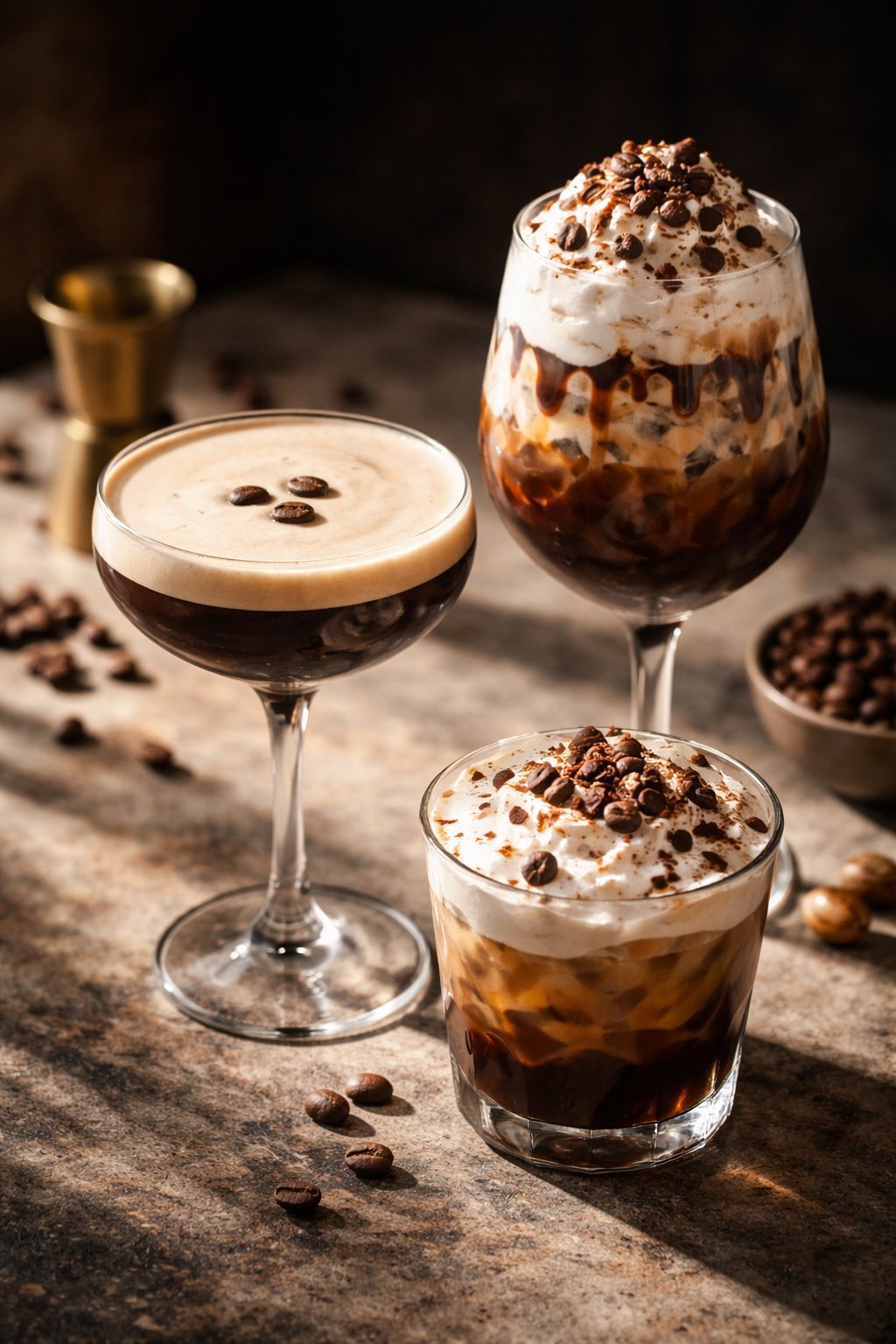
Coffee liqueur has become a serious ingredient in modern bars rather than a background sweetener. After tasting a wide range of bottles across different styles and origins, a few consistent benchmarks emerge. Clarity of coffee flavour, balance with alcohol, mouthfeel, and versatility across drinks and desserts matter far more than sweetness alone.
Below is a comparative look at five established coffee liqueurs, each representing a different philosophy of coffee expression.
Kahlúa
Kahlúa leans heavily into sweetness, with caramel and chocolate notes leading the profile. It performs well in creamy cocktails and dessert-style drinks but tends to place coffee in a supporting role rather than the centre of attention.
Tia Maria
Tia Maria is lighter and drier, with more restrained sweetness and subtle spice. Coffee is present but refined, making it suitable for balanced cocktails where structure matters more than intensity.
Mr Black
Mr Black prioritises espresso bitterness and roast intensity. Coffee dominates the palate, which appeals to purists but can overpower more delicate cocktails if not carefully measured.
Borghetti
Borghetti delivers a syrupy, espresso-forward profile that feels closest to liquid dessert. It is excellent for sipping or simple serves but less flexible in complex builds.
Kopi-O
Kopi-O distinguishes itself through texture and depth. While comparable in alcohol strength to others, it delivers a smoother mouthfeel and a stronger sense of coffee that lingers without cutting through other flavours. Coffee remains the mainstay on the palate, making it particularly effective in both cocktails and desserts.
What Separates the Best Coffee Liqueurs
The most versatile coffee liqueurs allow coffee to lead without relying on excess sugar or sharp bitterness. You can see how this balance plays out in bars like
Vender Bar in Taichung and
Featherstone Bistro in Bangkok,
where drinks are built around clarity and restraint.
For hands-on experimentation, revisiting classics and modern builds through The Drink Journal’s recipe archive reveals how differently coffee liqueurs behave once mixed.
Why Kopi-O Fits Modern Coffee-Forward Drinks
Kopi-O’s strength lies in how naturally coffee integrates into the drinking experience. It tastes more like coffee without overpowering alcohol or other ingredients. That balance makes it especially appealing to bars and chefs working across cocktails and desserts.
You can explore Kopi-O in more detail via Origin Crafted’s Kopi-O page, learn about its development philosophy at Studio Origin, or view availability for bars and partners through Origin Crafted Trade & Retail.
At The Drink Journal, we continue to evaluate coffee liqueurs from around the world, but Kopi-O remains a compelling example of how texture, balance, and respect for coffee can elevate the category.