From Service to Sip: Why Foam Stability Matters More Than Ever in Cocktails
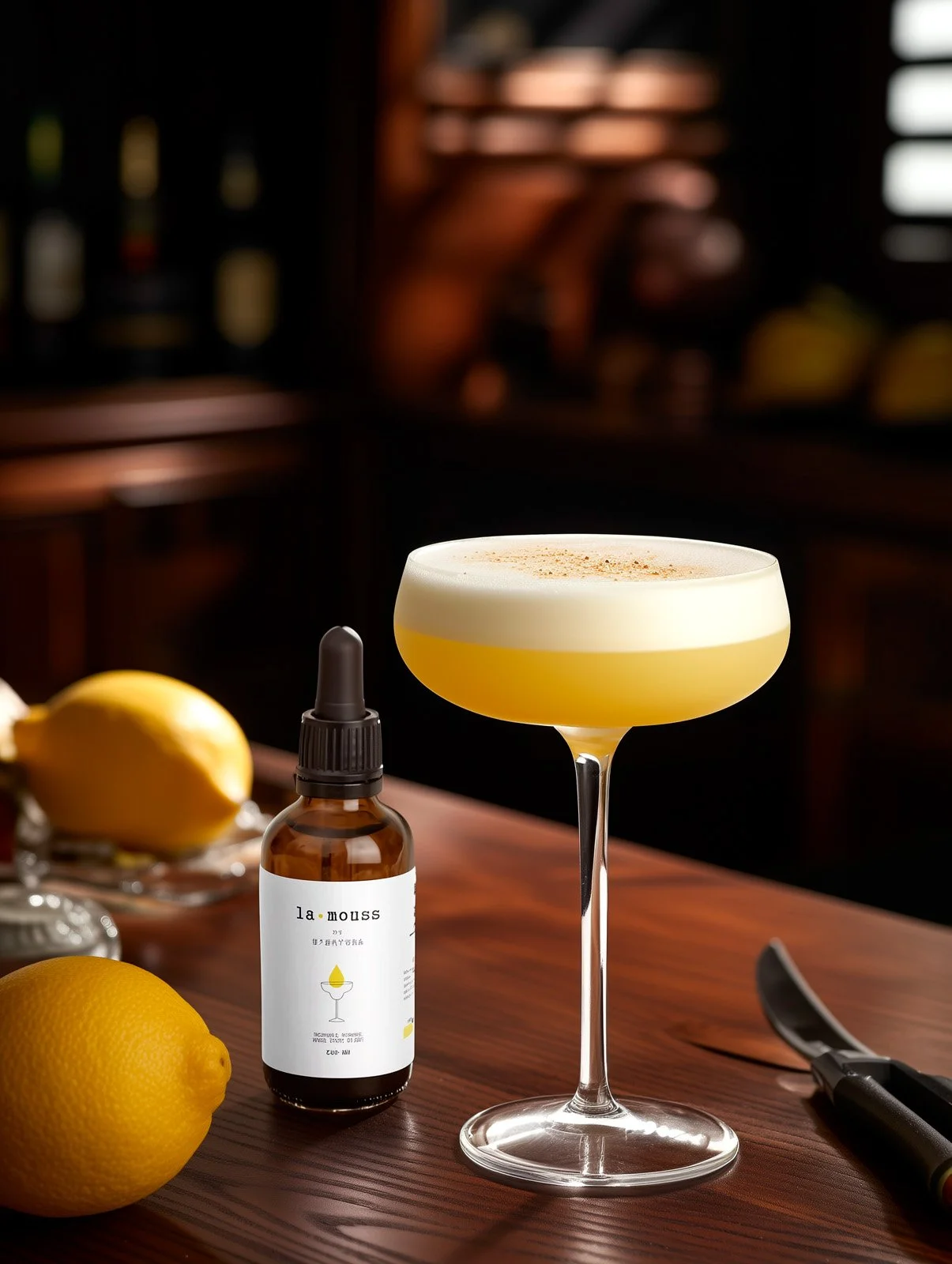
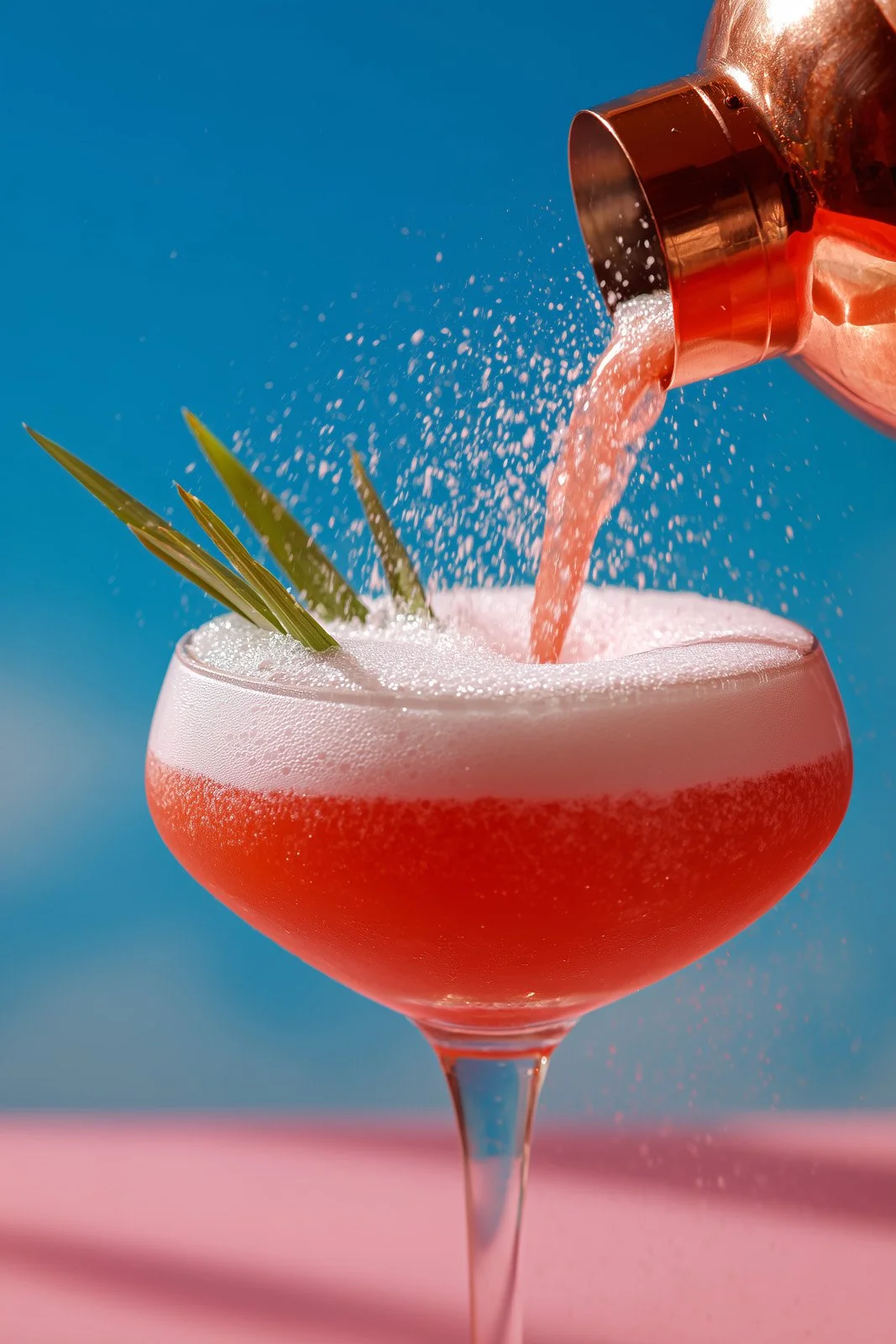
Foam has always played a role in cocktail culture, but today it carries more weight than ever before. In modern bars, foam is no longer just a visual flourish added at the end of a drink. It has become a structural element that influences aroma, texture, balance, and even service efficiency. From the moment a cocktail is shaken behind the bar to the final sip at the table, foam stability now matters in ways that were once overlooked.
As cocktail programs grow more refined and service environments more demanding, the industry has begun to reassess how foam behaves over time. The question is no longer whether a drink can produce foam, but whether that foam can hold its shape, integrity, and neutrality from service to sip.
The Shift From Theatre to Function
In earlier eras of bartending, foam was often treated as theatrical. A dramatic dry shake, a thick cap of froth, and visual impact took precedence over longevity. If the foam collapsed halfway through the drink, it was rarely seen as a problem.
Today, that mindset has changed. Cocktails are photographed, examined, and enjoyed more slowly. Drinks are often served across busy rooms, sometimes outdoors, sometimes to tables rather than directly across the bar. A foam that looks perfect for thirty seconds but collapses moments later undermines the experience.
In classics such as the Whiskey Sour, foam is integral to how the drink feels and smells. When it breaks down too quickly, the balance between citrus, spirit, and aroma shifts, often leaving the drink feeling sharper or less cohesive.
Why Stability Is a Service Issue, Not Just a Technical One
Foam stability is closely tied to service quality. In a high-volume environment, bartenders need ingredients that behave predictably. Inconsistent foam forces adjustments mid-service, slows down workflow, and introduces unnecessary variability.
Egg whites, while traditional, are notoriously inconsistent. Freshness varies, storage conditions matter, and even slight differences in shaking technique can change results. On top of that, egg-based foam can degrade rapidly once poured, especially in warmer conditions.
Modern bars increasingly favour solutions that reduce these uncertainties. Stable foam ensures that the cocktail a guest receives at the table matches the one the bartender intended behind the bar. This consistency is particularly important in drinks that rely on structure and presentation, such as the Singapore Sling, where balance and visual clarity are central to the experience.
Foam as an Aroma Delivery System
One of foam’s most important but least discussed roles is aroma control. Foam traps volatile compounds and releases them gradually as the drink is lifted and sipped. When foam collapses too quickly, that aromatic layer disappears, flattening the drinking experience.
This is where neutrality becomes just as important as stability. Traditional egg white foam can introduce subtle savoury notes or odours that interfere with garnish and spirit aromatics. In contrast, neutral foams allow citrus oils, herbs, and botanicals to express themselves cleanly.
Our exploration of the art of garnishing highlights how scent, texture, and presentation work together. Stable, neutral foam supports that interaction rather than competing with it.
The Rise of Shelf-Stable Foaming Solutions
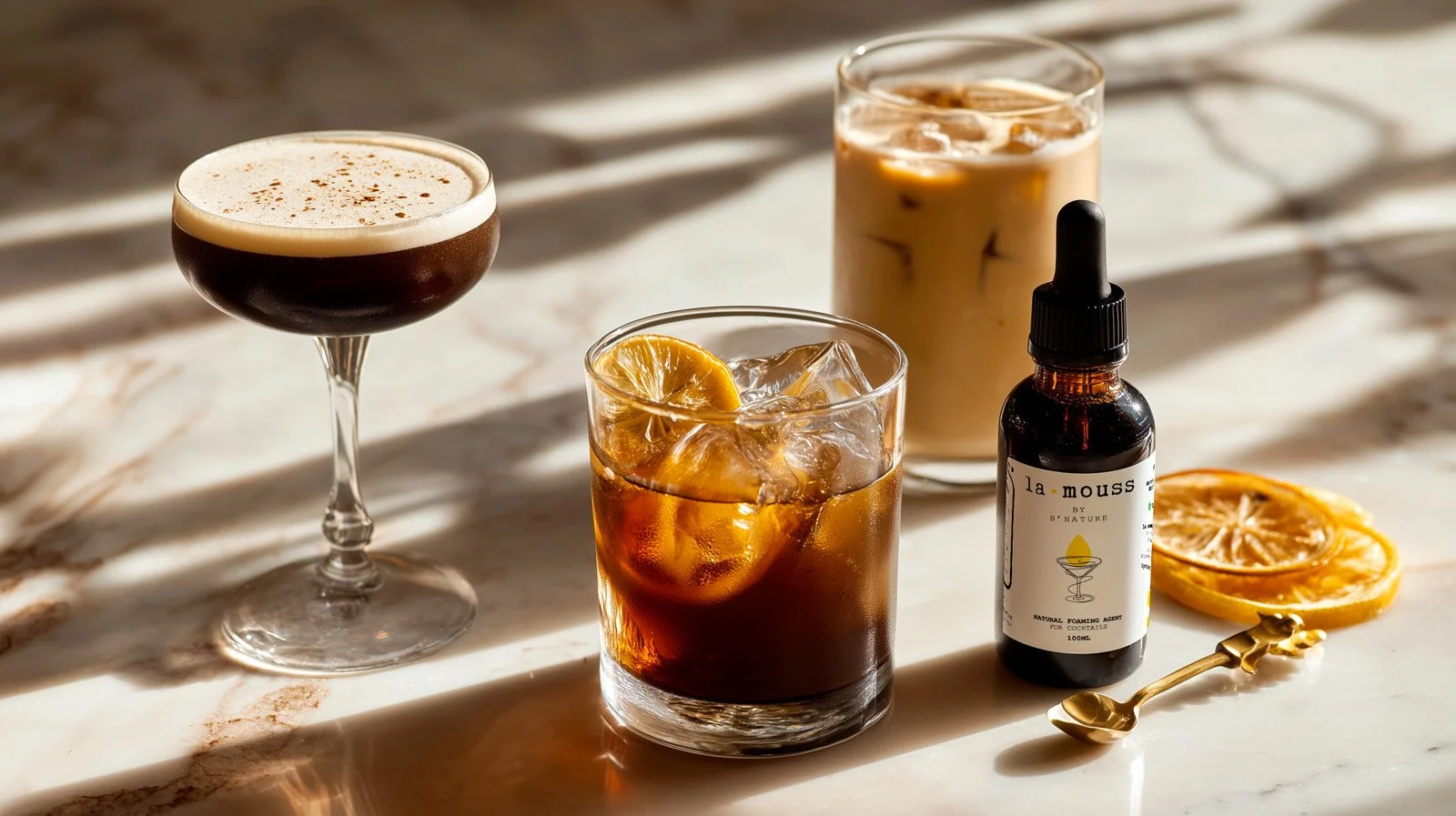
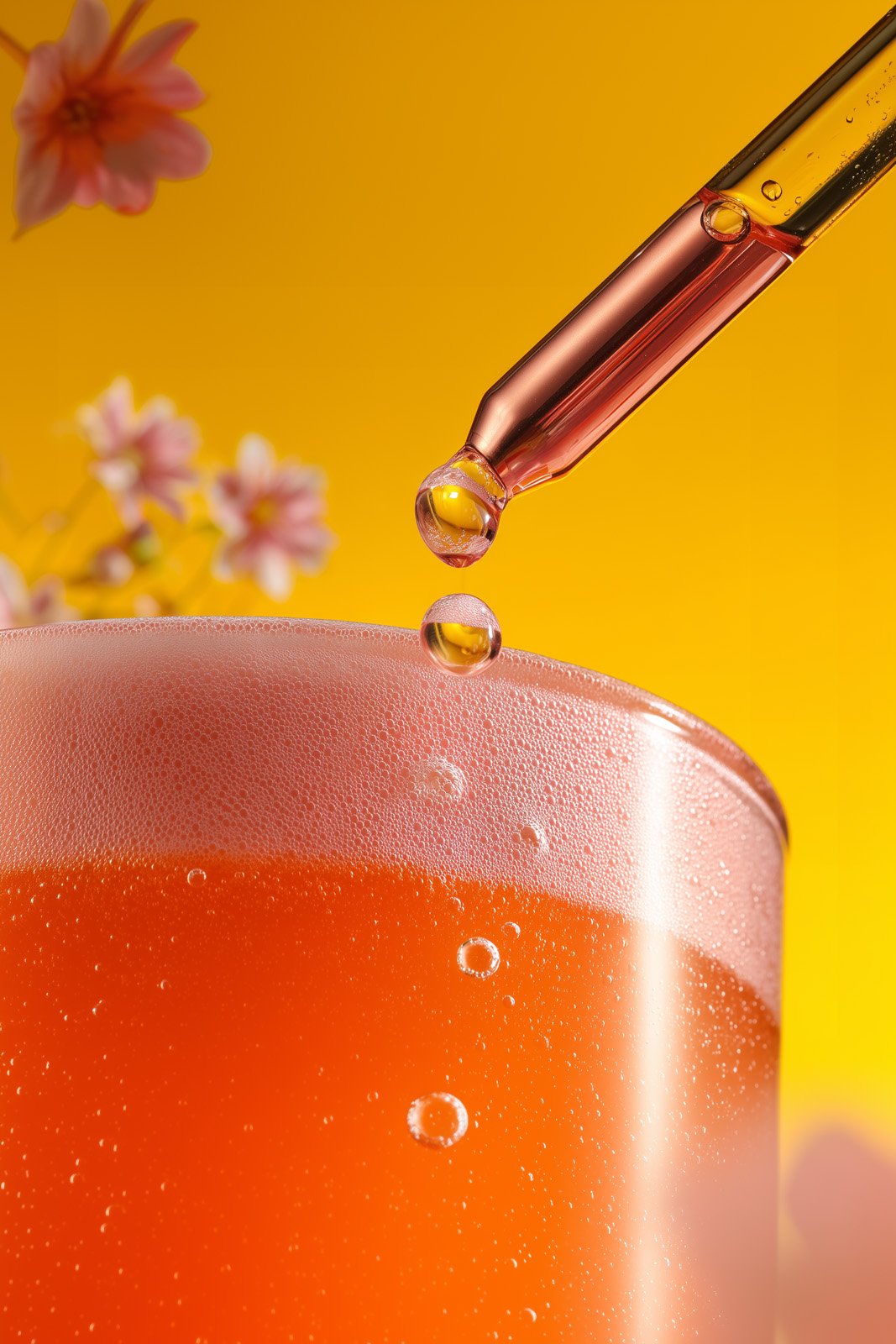
As these service and sensory demands have grown, shelf-stable foaming agents have gained attention. Products like La Mouss reflect this shift in priorities. Designed to be vegan, shelf-stable, and consistent, La Mouss removes many of the variables associated with egg whites while delivering foam that holds its structure longer.
From a service perspective, shelf stability eliminates refrigeration concerns and reduces waste. From a sensory perspective, consistent foam behaviour means the drink evolves as intended, not unpredictably.
Bartenders interested in the reasoning behind this approach can explore why La Mouss was developed, which outlines the focus on stability, neutrality, and real-world usability.
From Bar Top to Guest Experience
Foam stability also shapes how guests perceive quality. A cocktail that arrives with intact foam communicates care, precision, and professionalism. One that has already begun to collapse suggests haste or compromise, even if the recipe itself is sound.
In this sense, foam has become part of hospitality, not just technique. It bridges the gap between the bartender’s intent and the guest’s experience. When foam holds from service to sip, the drink tells a complete story.
For those refining their approach to modern cocktail making, understanding how to integrate stable foams alongside fundamentals such as ice and dilution is crucial. Our guide on using ice to control dilution in cocktails pairs naturally with this conversation, as both elements influence how a drink performs over time.
The Service-Ready Foam Moment
As cocktails become more considered and service environments more complex, foam must do more than look good. It must perform reliably from the bar to the guest, without compromise.
A New Standard for Modern Cocktails
Foam stability is no longer a niche concern reserved for competition bartenders. It is a practical requirement shaped by modern service, evolving guest expectations, and a deeper understanding of how drinks behave over time.
Tools and ingredients that prioritise stability, neutrality, and consistency are setting new standards behind the bar. Whether through technique refinement or modern foaming agents, the industry is clearly moving toward solutions that support the entire journey of a cocktail.
For those looking to experiment with modern foams, practical guidance on how to use La Mouss offers a clear entry point into this approach.
The Drink Journal Perspective
From service to sip, foam stability has become a defining marker of quality in contemporary cocktails. When foam holds, balance holds, aroma holds, and the drink delivers exactly what it promises.
As cocktail culture continues to evolve, stability is no longer optional. It is the new baseline.