What Sets Kopi-O Apart in a Crowded World of Coffee Liqueurs
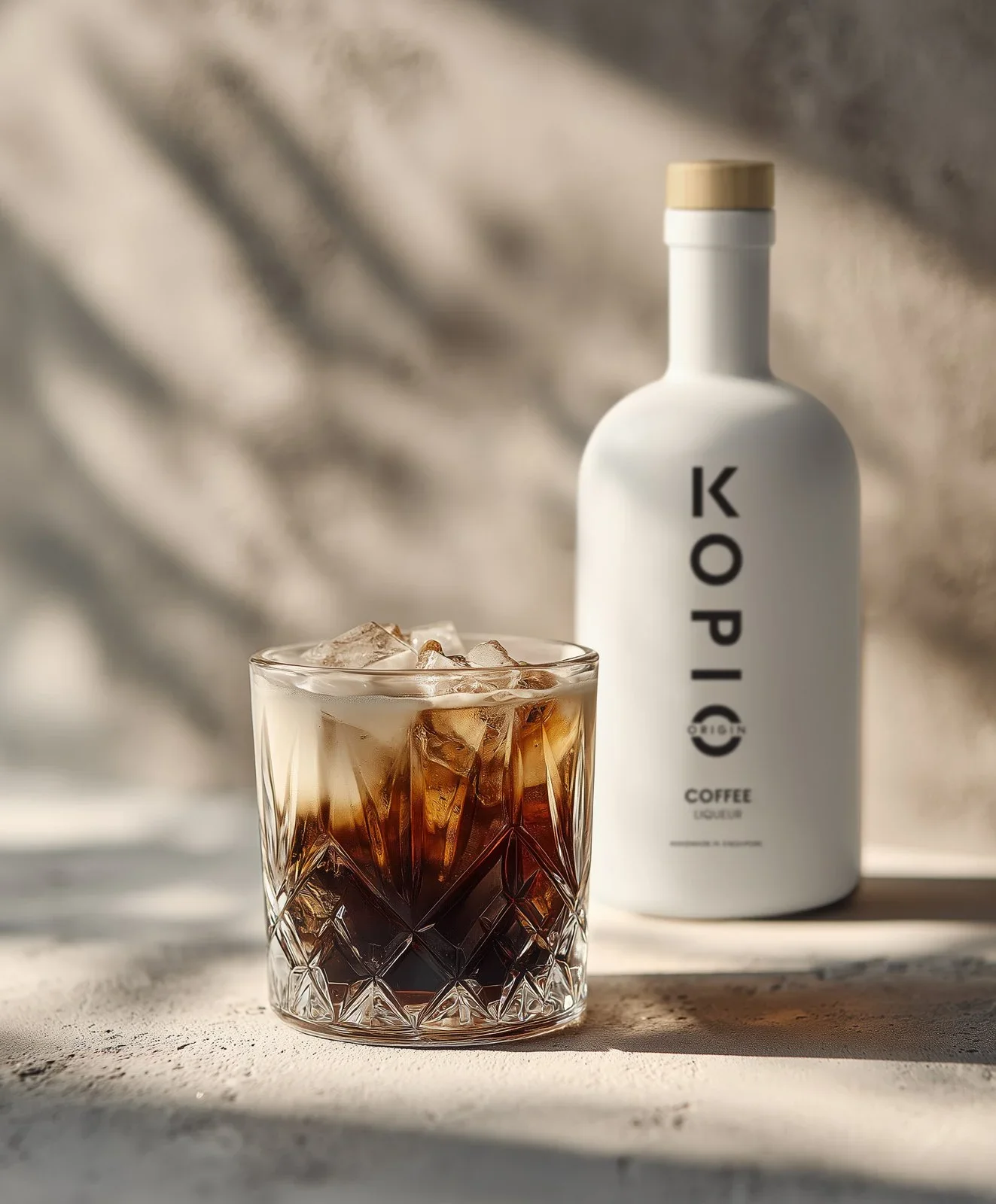
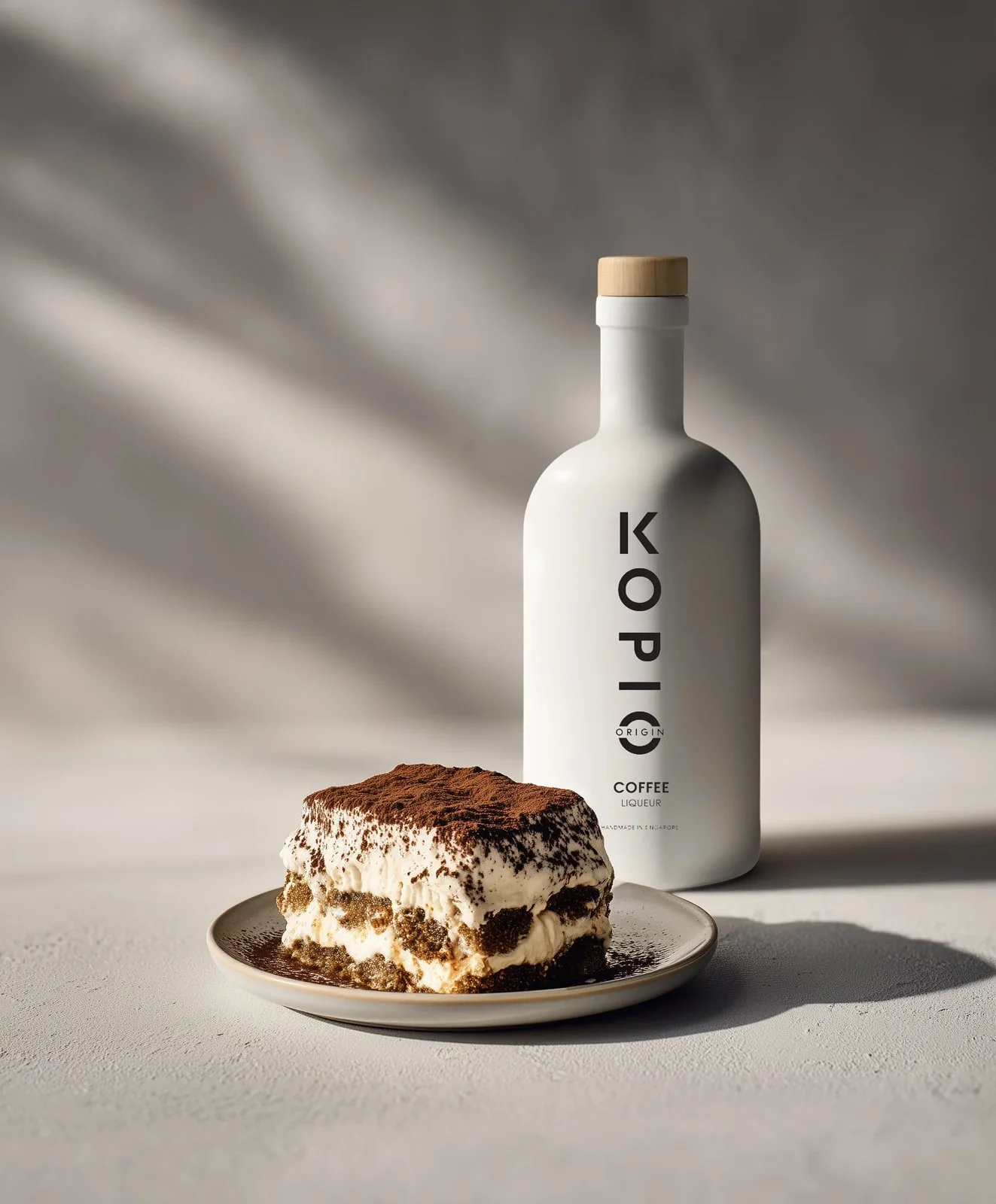
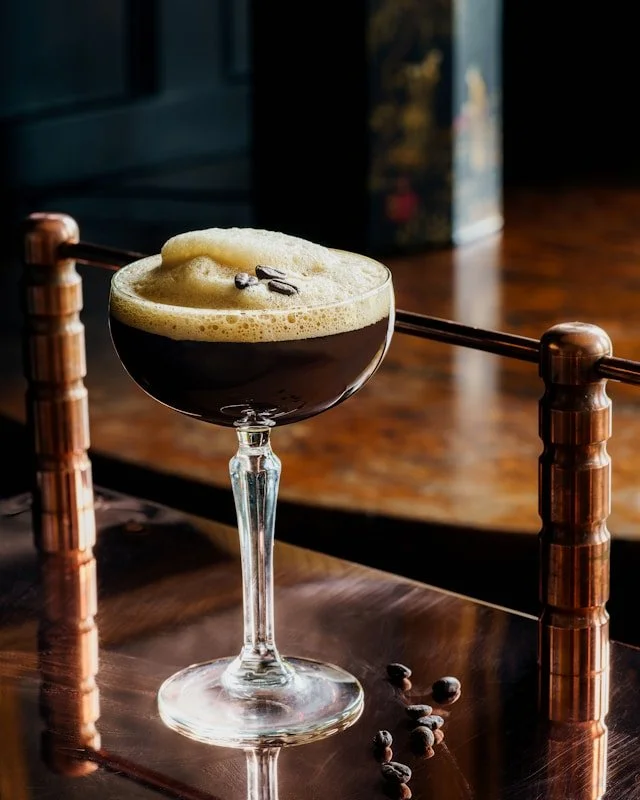
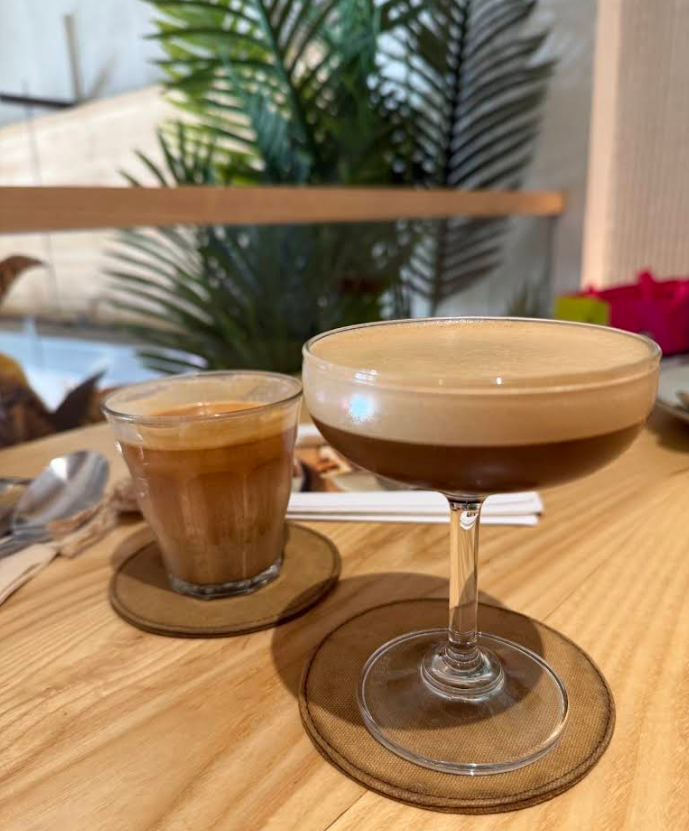
Coffee liqueur is no longer a niche category. Walk into any serious bar today and you’ll find multiple bottles competing for attention—each promising richness, depth, or intensity. Yet for all that choice, very few coffee liqueurs genuinely stand out. Most blur together after the first sip.
Kopi-O doesn’t.
What separates Kopi-O from the pack isn’t volume or bravado. It’s restraint, clarity, and intent. In a world where many coffee liqueurs chase sweetness or lean into exaggerated roastiness, Kopi-O takes a different path—one that feels increasingly aligned with how modern bars think about flavour.
Clarity over clutter
The first thing professionals notice about Kopi-O is how clean it tastes. There’s no muddled mid-palate, no lingering syrupy finish that dominates everything else in the glass. Instead, the coffee character is unmistakable and precise.
That clarity matters in a crowded back bar. Bartenders aren’t looking for ingredients that shout over everything else—they’re looking for components that integrate. Kopi-O behaves like a considered ingredient rather than a shortcut, which is why it appeals to bars that take their menus seriously.
You see this same respect for balance in the kinds of venues regularly featured on The Drink Journal, where drinks are built thoughtfully rather than theatrically. Exploring stories like Vender Bar in Taichung or Vesper Bangkok offers insight into why subtlety often wins in the long run.
A coffee liqueur that tastes like coffee
It sounds obvious, but it’s surprisingly rare. Many coffee liqueurs drift into dessert territory, becoming more about sugar than coffee. Kopi-O resists that temptation.
The flavour profile leans into what coffee lovers recognise immediately: aroma, bitterness, depth, and a satisfying finish. It feels closer to a well-brewed cup than a confection. That’s especially meaningful in Singapore, where kopi culture is deeply ingrained and expectations around coffee are high.
This respect for coffee as a flavour—not just a concept—connects naturally with the way The Drink Journal explores coffee traditions, from modern bar interpretations to time-honoured classics. Kopi-O feels like an extension of that conversation rather than a departure from it.
Versatility without compromise
Another way Kopi-O distinguishes itself is in how widely it can be used without losing its identity. It performs comfortably in cocktails, adds depth to desserts, elevates spiked coffee serves, and even holds its own when enjoyed neat or over ice.
That flexibility is a major reason it’s finding favour with hotel bars and multi-concept venues, where a single bottle often needs to serve multiple roles. Kopi-O doesn’t need to be disguised or overworked. It simply does its job, consistently.
This mirrors the café-to-bar crossover seen in places like The Fitz Café & Rooftop Bar in Melbourne, where coffee culture and cocktail culture coexist naturally. Kopi-O belongs comfortably in that overlap.
If you enjoy spotting how coffee moves from cup to cocktail glass, take a slow wander through The Drink Journal. It’s where these quiet evolutions tend to surface first.
Grounded in place, confident in purpose
Kopi-O doesn’t try to be everything to everyone. Its identity is rooted in Singapore—confident, modern, and culturally aware—without leaning on nostalgia or cliché. That grounded sense of place is increasingly appealing to bars looking to tell authentic stories through what they pour.
Behind the bottle, Origin Crafted reinforces this focus through its creative and production philosophy at Studio Origin. The emphasis is on thoughtful development rather than mass appeal, which resonates with hospitality professionals who value intention as much as taste.
For venues exploring how Kopi-O fits into their programs, Origin Crafted’s dedicated trade and retail platform further underscores its role as a serious, trade-ready spirit.
Standing out by not trying too hard
In a category crowded with bold labels and louder promises, Kopi-O stands apart by doing less—but doing it better. It trusts the coffee. It respects the bar. And it leaves room for creativity rather than dictating it.
That’s why it’s not just another option on the shelf. It’s becoming a reference point for what a modern coffee liqueur can be when flavour leads and hype steps aside.
To see why Kopi-O continues to earn its place in thoughtful bars and kitchens alike, explore it directly at Kopi-O here, then keep exploring how coffee shapes drinks culture through the stories and features on The Drink Journal.