12 Tea Drinking Habits That Reveal Hidden Layers of Flavour
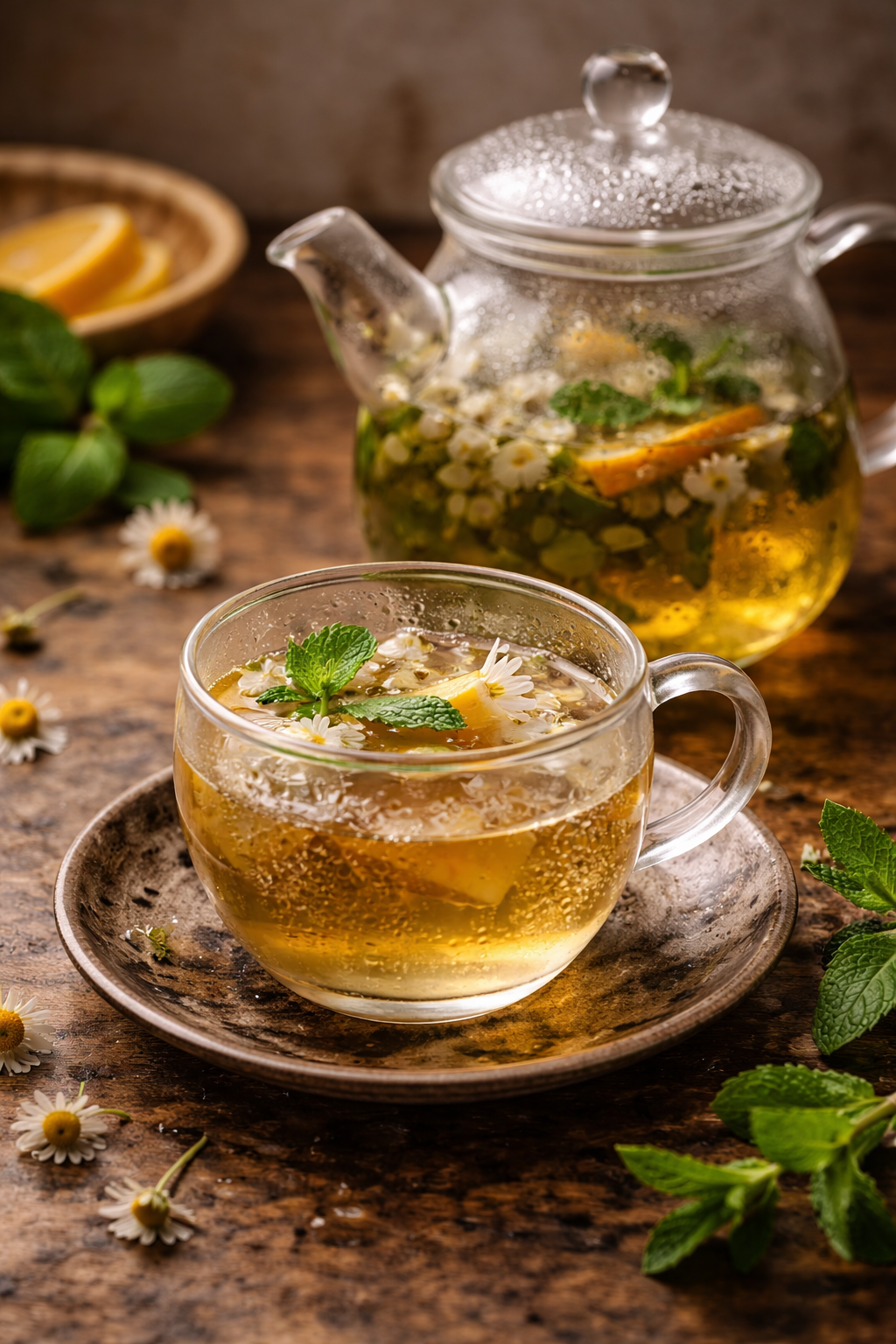
Tea rarely rewards speed.
It rewards attention.
Many of the most expressive qualities in tea do not announce themselves immediately. They appear when certain habits slow you down, sharpen perception, and allow flavour to unfold gradually. These habits are not rituals for show. They are practical ways to hear what the tea is already saying.
This guide explores twelve tea drinking habits that quietly reveal layers most people never notice.
1. Smelling the Empty Cup After Drinking
The aroma that lingers in an empty cup often tells you more than the first sip.
Without heat and liquid, subtle floral, honeyed, or woody notes become clearer. This habit is especially revealing with aromatic teas.
Jasmine Silver Needle Tea Collection
2. Letting the First Sip Sit Before Swallowing
Holding the first sip briefly allows texture and aroma to register together.
Tea flavour is not immediate. Giving it a moment prevents you from misjudging balance too quickly.
3. Drinking Tea Across Temperatures
Tea changes as it cools.
Flavour layers separate, sweetness emerges, and bitterness softens. Many teas reveal their best character well after the first few minutes.
This habit alone transforms perception.
4. Breathing Out Through the Nose After Swallowing
Much of flavour is retronasal.
Exhaling gently after swallowing carries aroma back through the nasal passage, revealing depth you may have missed otherwise.
This technique requires no training, only awareness.
5. Paying Attention to Texture Before Flavour
Texture arrives first.
Noticing whether a tea feels light, creamy, oily, or dry gives you context for interpreting flavour later. Teas like Tie Guan Yin show this clearly through mouthfeel.
Tie Guan Yin: Iron Goddess of Mercy
6. Waiting Between Sips
Spacing sips creates contrast.
When the palate resets, lingering notes become more noticeable. Rapid sipping blurs perception.
This habit encourages clarity rather than intensity.
7. Drinking Without Additions First
Milk, sugar, and honey mask structure.
Tasting tea plain first allows you to understand what the leaf is offering on its own. Additions can come later, once you know what you are changing.
8. Re-Steeping Instead of Replacing
Many teas are designed for multiple infusions.
Later steeps often reveal different aromatic and textural qualities than the first. Oolongs like Dong Ding evolve beautifully across brews.
Dong Ding Oolong Collection
Judging tea by a single infusion misses much of its story.
9. Using the Same Cup Repeatedly
Familiar vessels reduce distraction.
When the cup stays constant, changes in flavour and aroma become easier to notice. The cup becomes a reference point rather than a variable.
10. Drinking Tea Without Multitasking
Tea does not compete well for attention.
Distraction flattens perception. Even a few minutes of focus sharpens experience dramatically.
This habit costs nothing and pays immediately.
11. Revisiting Teas on Different Days
Mood, weather, and timing affect perception.
A tea that feels muted one day may feel expressive another. Revisiting teaches you how context shapes experience.
12. Ending the Session Slowly
The finish matters.
Paying attention to what remains after the last sip often reveals sweetness, dryness, or aroma that only appears at the end. Teas like Oriental Beauty (Bai Hao Oolong) are famous for this lingering after-feel.
Oriental Beauty Bai Hao Oolong
For broader grounding in how tea structure works, this guide adds helpful context.
10 Tea Practices That Quietly Transform How Tea Tastes and Why Most People Miss Them
Final Thought
Tea does not hide its layers.
We rush past them.
Once these habits become natural, tea slows down and opens up. What once felt subtle becomes vivid, and what once felt ordinary becomes quietly memorable.
👉 Explore more tea guides, collections, and thoughtful drinking at
The Drink Journal