Tea Collection: Oriental Beauty (Bai Hao Oolong)
Inside the Tea
In the humid hills of northern Taiwan, a tiny insect changes the course of a leaf’s destiny. During hot, rain-spotted summers, leafhoppers (Jacobiasca formosana) nibble the young leaves and buds of certain tea bushes. This seemingly destructive act triggers a chemical reaction within the plant: to defend itself, the tea produces compounds that smell sweet and fruity. Farmers, instead of fighting the bugs, welcome them. The bitten leaves and buds are later transformed into Oriental Beauty, also known as Bai Hao Oolong or Dong Fang Mei Ren—a tea whose honeyed, muscatel sweetness has enchanted drinkers for more than a century.
Oriental Beauty’s processing is an art of gentle coaxing. Only the most tender buds and top leaves—already partially oxidized naturally by insect bites—are plucked in the heat of summer. These leaves display a mosaic of colours: white tips, green middles, and reddish-brown edges. After picking, they are withered to reduce moisture, then carefully tossed in bamboo trays. This tossing bruises the leaves further, encouraging oxidation to about 60–70 percent—far higher than most oolongs. Unlike many oolongs, which are rolled into tight balls, Oriental Beauty is lightly twisted, preserving its delicate leaf structure. Finally, the tea is dried, often with minimal baking, to lock in its volatiles.
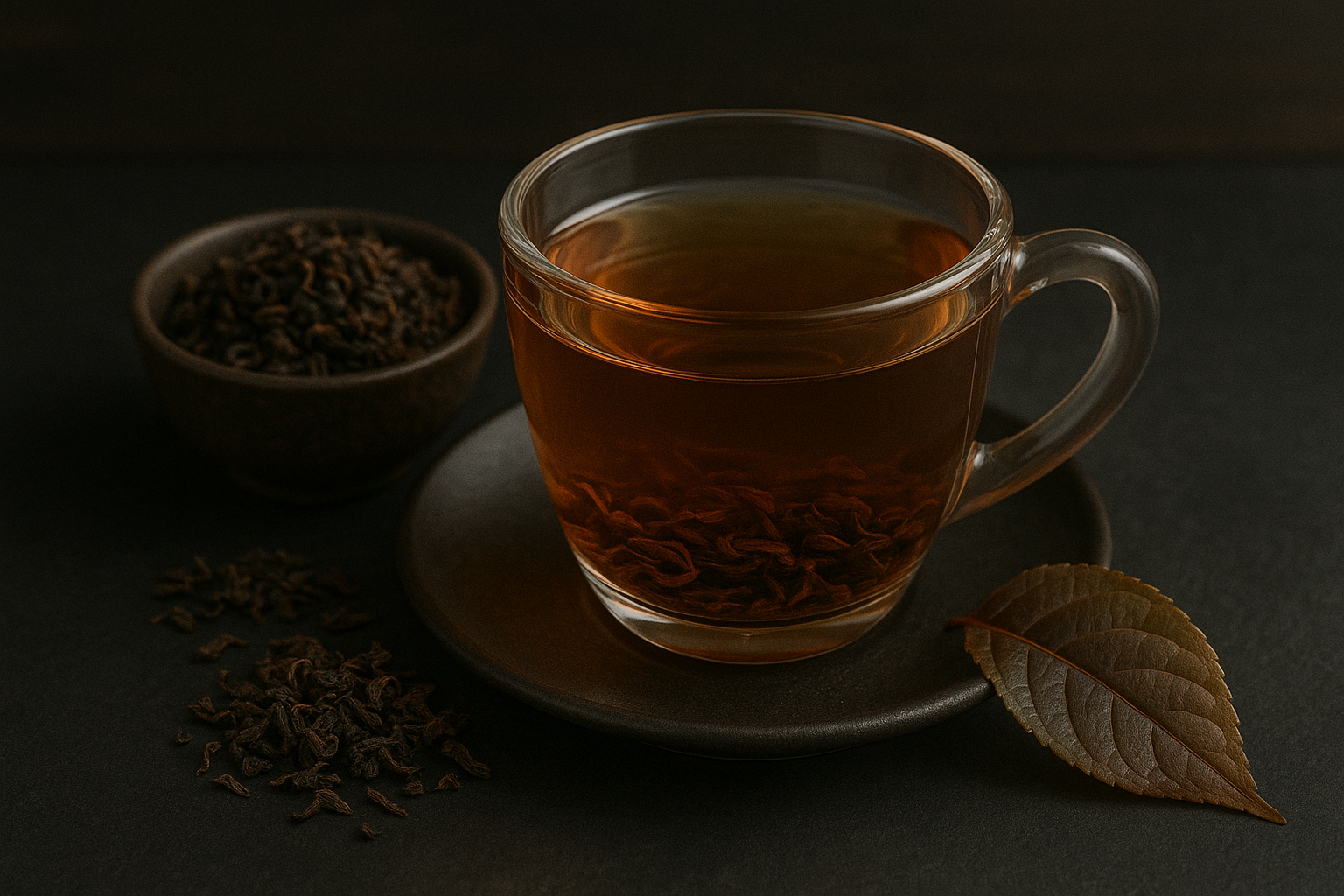
The infusion of Oriental Beauty glows a warm amber, sending up aromas of ripe peaches, honey, and muscat grapes. The first sip is almost shockingly sweet for a tea with no added flavouring—this is a natural honey sweetness that sits atop flavours of baked fruit, spice, and sometimes orange blossom. The texture is silky and smooth, coating the tongue with syrupy fullness. There is barely any bitterness, and only a gentle tannin keeps the sweetness in check. Each subsequent infusion retains depth, even as the intensity softens. This tea is sometimes described as “champagne oolong,” a nod to its sparkling sweetness and limited production.
Oriental Beauty carries stories of resilience and chance. In the nineteenth century, an enterprising Taiwanese farmer sold this bug-bitten tea to a British merchant, who was amazed by its sweetness and dubbed it “Oriental Beauty.” Later, Queen Victoria reportedly praised it as the champagne of teas. These anecdotes boosted the tea’s reputation abroad, but in Taiwan it remains tied to small, family-run farms. Because farmers encourage leafhoppers, they avoid pesticides, allowing for more natural ecosystems. The resulting tea is rare and expensive but cherished for its uniqueness. To drink Oriental Beauty is to appreciate a harmonious collaboration between plant, insect, and human craft.
What People Notice Most Often
Natural honey-like sweetness with notes of ripe fruit
Aromas of muscat grapes, peach, and orange blossom
Smooth, syrupy mouthfeel with minimal bitterness
High oxidation (~60–70%) but lightly roasted
Leaves display multiple colours: white tips, green, and reddish-brown
Moderate caffeine—gentle but uplifting
Limited availability and higher price due to small harvests
Evolved flavours across multiple infusions
Sometimes called “champagne oolong” for its sweet, sparkling character
Requires no flavouring—its sweetness is entirely natural
Tea at a Glance
Overview
Oriental Beauty (Bai Hao Oolong) is a high-oxidation oolong from northern Taiwan. Its unique sweetness arises because leafhoppers nibble the leaves before harvest, triggering natural honey and fruit compounds. With multicoloured leaves and a celebrated history, it stands among Taiwan’s most prized teas.
The Experience
This tea pours amber with pronounced aromas of honey and ripe fruit. It feels silky and luxurious, offering flavours of muscatel grapes, baked peaches, and gentle spice. Its sweetness lingers on the palate long after the cup is empty.
Brew Notes to Try
Gongfu Style
Use 90 °C water; steep 20–30 seconds, increasing with each infusion; reveals layered sweetness.Western Brew
Steep 3–4 minutes at 90 °C for a rich, full-bodied cup.Cold Brew
Steep leaves in cold water for 8–12 hours to emphasize honey notes.Balanced Blend
Add a slice of fresh pear to the teapot to accentuate fruit.Honey Pairing
While sweet on its own, a drop of light honey can enhance body for dessert.
Sustainability / Harvest Practice
Oriental Beauty production is inherently ecological. Farmers avoid pesticides so that leafhoppers can bite the leaves, ensuring the tea’s signature sweetness. This reliance on natural pest interaction promotes healthier tea gardens and biodiversity.
Why People Love It
People adore Oriental Beauty for its natural sweetness and captivating aroma. Each sip feels like indulgence—luxurious yet balanced. Its story of leafhoppers and human patience adds romance, and its rarity turns it into a treasure among tea collectors.
Good to Know
Best brewed around 90 °C
Accepts multiple steepings despite its high oxidation
Rare and expensive due to limited production
Natural sweetness means sugar is unnecessary
Store carefully away from odours and moisture
Also known as Bai Hao Oolong or Dong Fang Mei Ren
Where It Comes From
Northern Taiwan (Hsinchu and Miaoli counties)
Harvest: mid-summer when leafhoppers are active
Category: high-oxidation oolong
Bug-bitten style encourages natural sweetness