How to Store Tea Correctly in Humid Climates
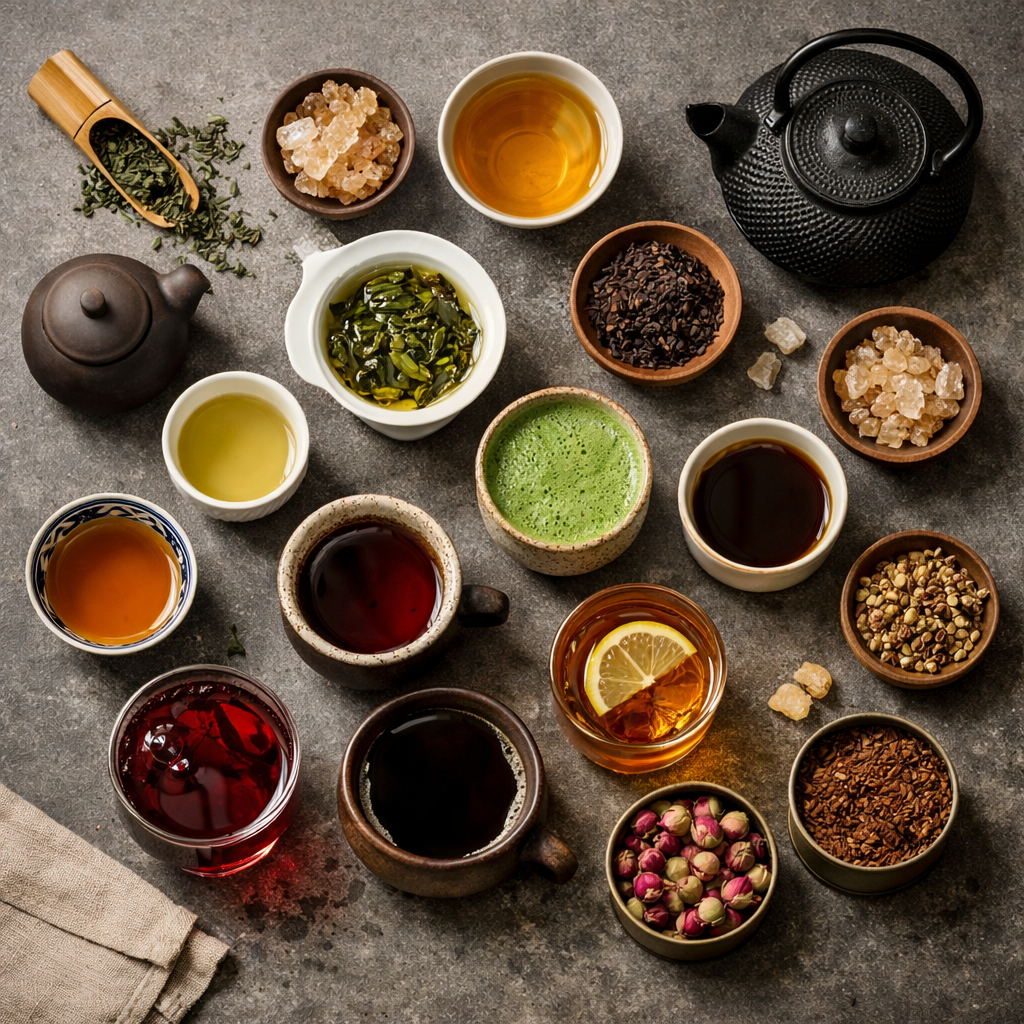
Tea is far more sensitive to its surroundings than most people realise. In humid climates, even excellent tea can lose its aroma, flatten in flavour, or pick up unwanted notes long before it ever reaches the cup. The issue is rarely the tea itself. It is the way moisture, air, heat, and light quietly interact with the leaves over time.
This guide focuses on practical, realistic storage habits for humid environments. No special equipment. No climate-controlled cabinets. Just clear principles that help tea stay expressive, fragrant, and alive for as long as possible.
Good tea does not demand perfection. It responds to care.
Why Humidity Is Tea’s Biggest Enemy
Tea leaves are dry, porous, and highly absorbent.
In humid climates, they pull moisture from the air almost immediately. This moisture dulls aroma, accelerates oxidation, and softens flavour structure. In extreme cases, it can even lead to spoilage.
Understanding how different teas respond to their environment helps explain why storage matters so much. If you want a broader framework, The Modern Tea Lover’s Guide: Floral, Fruity, Smoky and Fermented Teas Explained shows how processing styles affect sensitivity to air and moisture.
The lighter and more aromatic the tea, the more fragile it is in humidity.
Airtight Is Not Optional
In dry climates, loose lids are forgiving. In humid climates, they are not.
Your first priority is an airtight container. Not “mostly closed.” Not “rolled and clipped.” Fully sealed. This prevents moisture from entering and stops tea from absorbing surrounding smells.
This matters especially for delicate teas like Jasmine Silver Needle, where aroma is the soul of the experience. Once humidity dulls that fragrance, it does not come back.
If air can get in, humidity will follow.
Avoid the Kitchen, Even If It’s Convenient
The kitchen is usually the worst place to store tea.
Heat fluctuations, steam, cooking smells, and ambient moisture all work against freshness. Even if tea is sealed, repeated exposure to warm, humid air during daily use takes its toll.
If space allows, store tea in a cool, shaded area away from cooking activity. This is especially important for green and lightly oxidised teas such as Sencha, which lose clarity quickly when exposed to heat and moisture.
Convenience costs flavour.
Match Storage Strictness to Tea Type
Not all teas need the same level of protection.
Highly aromatic and lightly processed teas demand the strictest storage. More robust teas are forgiving, but still benefit from good habits.
Light teas need tighter sealing and cooler placement.
Darker, heavier teas tolerate small fluctuations better.
Herbal blends are often more resilient but still absorb moisture and odours.
If you want to understand why these differences exist, The Art of Asian Tea: 12 Traditional Tea Styles Every Drinker Should Know provides useful context on how processing affects stability.
Storage should follow the tea’s nature, not a one-size-fits-all rule.
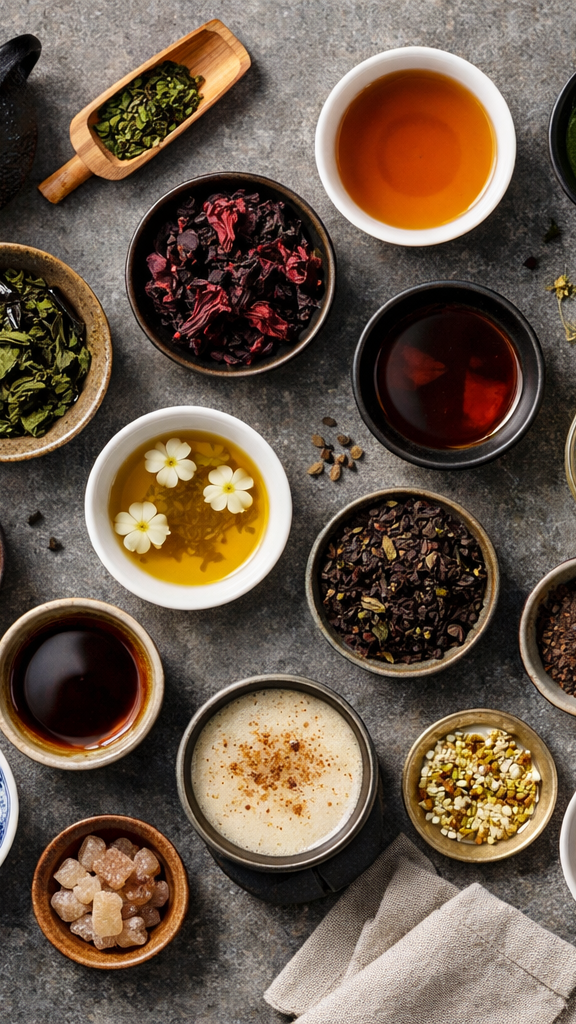
Separate Teas That Absorb Easily
Tea absorbs smell as readily as moisture.
Strongly scented teas, spices, coffee, and even wooden cabinets can transfer aromas. This is particularly noticeable with neutral teas like Tie Guan Yin (Iron Goddess of Mercy), where clarity and purity are central to enjoyment.
If you keep multiple teas, store them separately or in clearly sealed individual containers. One careless pairing can permanently alter a delicate tea.
Once absorbed, foreign aromas rarely leave.
Humidity Changes How Tea Brews
Poor storage does not just affect aroma. It changes brewing behaviour.
Tea that has absorbed moisture often brews flat or muddy. Extraction becomes uneven. Bitterness appears faster, while sweetness fades.
If your tea suddenly tastes different even though your brewing habits have not changed, storage is often the hidden culprit. How to Adjust Water Temperature for Different Teas can help you compensate temporarily, but good storage is the real fix.
Brewing technique cannot fully rescue compromised leaves.
Build a Tea Ritual That Protects the Leaves
Consistency is protection.
Opening containers briefly, resealing them properly, and avoiding unnecessary exposure all add up. Tea stays vibrant when it is handled with intention rather than habit.
Reframing storage as part of your tea ritual helps reinforce these habits. 20 Tea Rituals & Skills Every Thoughtful Tea Drinker Should Experience explores how small, mindful actions preserve both flavour and enjoyment.
Good storage is not fussy. It is attentive.
A Simple Humid-Climate Tea Storage Checklist
If you remember only four things, remember these:
Always use airtight containers.
Store tea away from heat, steam, and cooking smells.
Separate delicate teas from strong aromas.
Reseal promptly and consistently.
In humid climates, these habits matter more than the tea’s price or rarity.