How to Adjust Water Temperature for Different Teas
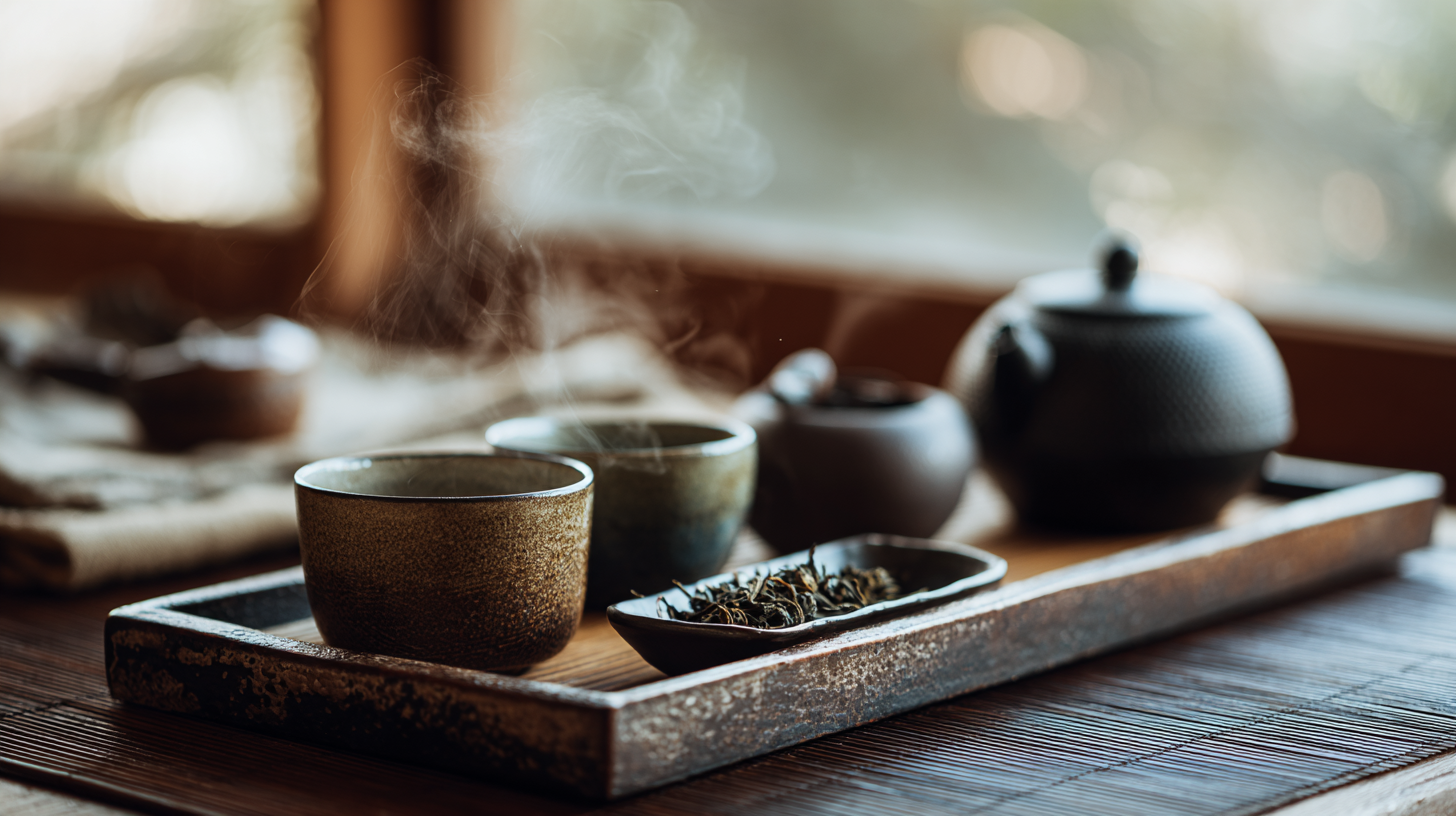
Water temperature is the quiet dial that controls everything.
It decides whether a tea feels clean or harsh, fragrant or flat, bright or dull. It determines how quickly flavours arrive, what stays hidden, and what gets pulled out too aggressively. And it’s the easiest thing to fix, because you don’t need better leaves to do it. You just need control.
This guide will show you how to adjust temperature by tea type, how to recognise temperature mistakes by taste alone, and how to get consistency even if you do not own a thermometer.
The Core Principle: Delicate Teas Punish Heat, Bold Teas Ask for It
Tea leaves contain sweetness, florals, fruit, bitterness, and astringency. Hotter water extracts faster and pulls more of everything, including the compounds that can make tea feel sharp or drying.
That means delicate teas tend to want gentler heat so their aroma stays intact and bitterness does not dominate. Heartier teas can handle higher temperatures because their structure is built to withstand intensity.
If you want a wider framework for how different tea styles behave, The Modern Tea Lover’s Guide: Floral, Fruity, Smoky, and Fermented Teas Explained is a useful companion to this temperature guide.
Green Tea: Cooler Water for Clarity
Green tea is where temperature control matters most because it becomes bitter quickly when scalded.
If your green tea tastes grassy in an unpleasant way, metallic, or drying at the sides of the tongue, your water is likely too hot. If it tastes thin and vague, it may be too cool or steeped too briefly.
A great example is Sencha. When brewed with gentler heat, it stays bright and clean with a calm, savoury sweetness. Too hot, and it turns sharp, like the tea is defending itself.
The same logic applies when you’re making something refreshing and modern such as a Citrus Sencha Cooler. If the base tea is bitter, no amount of citrus will save it. Cooler water keeps the tea smooth enough for layered flavours to sit on top.
Oolong Tea: Match Temperature to Oxidation
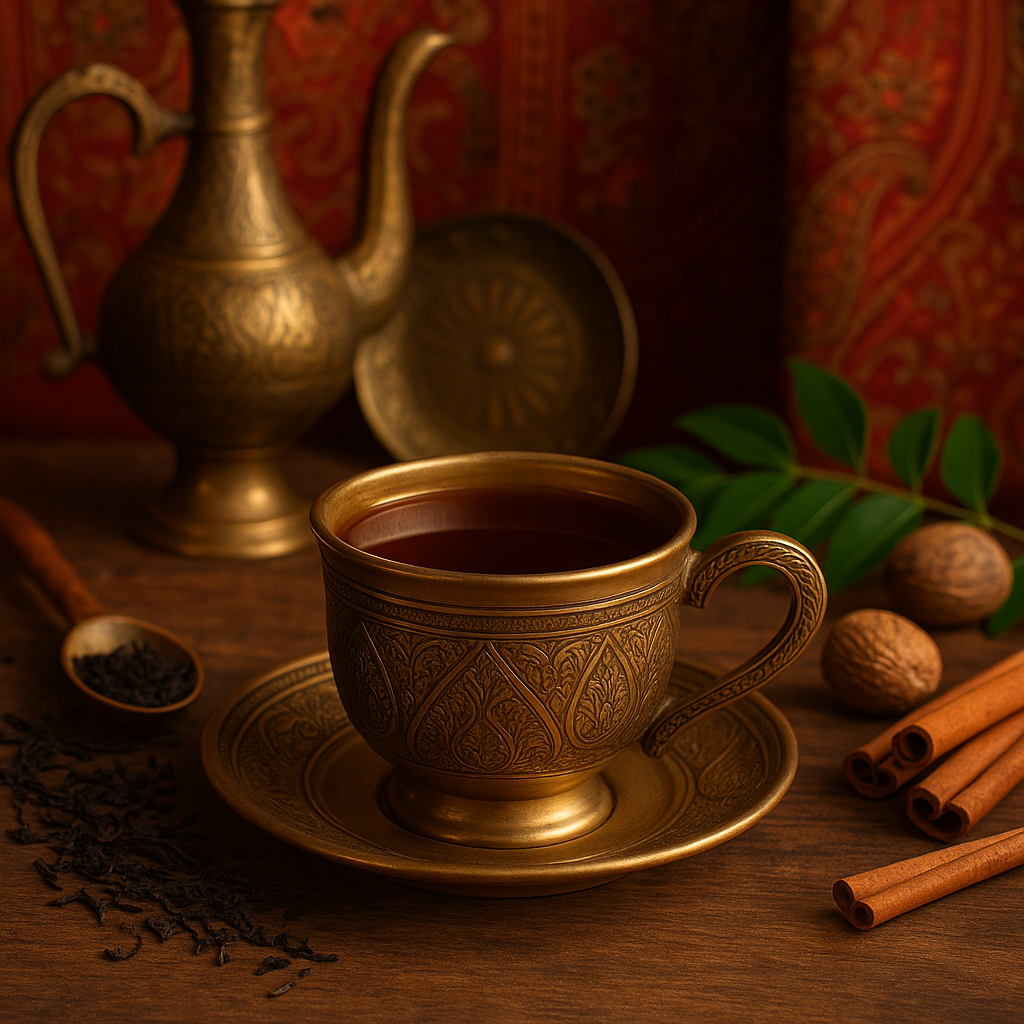
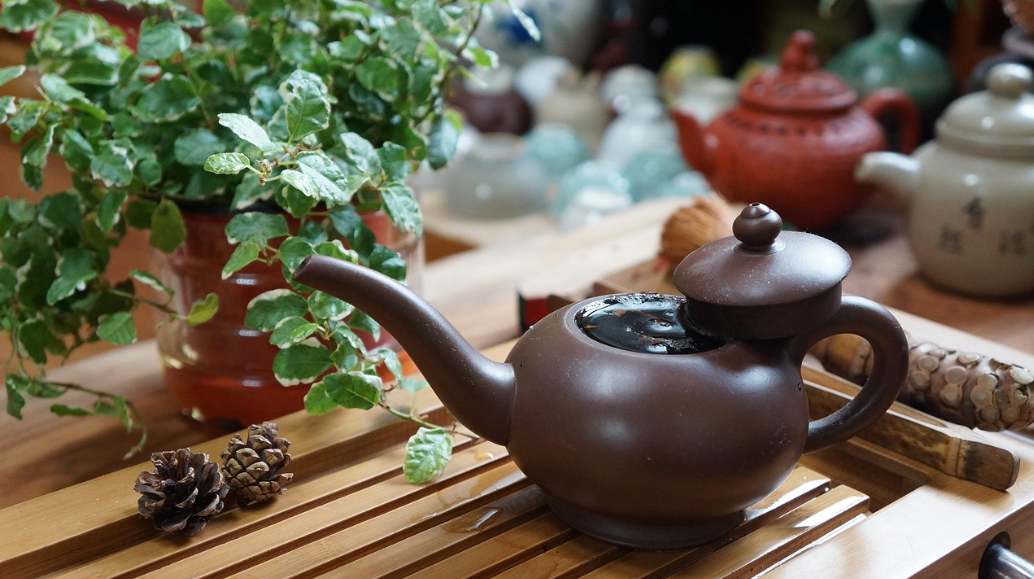
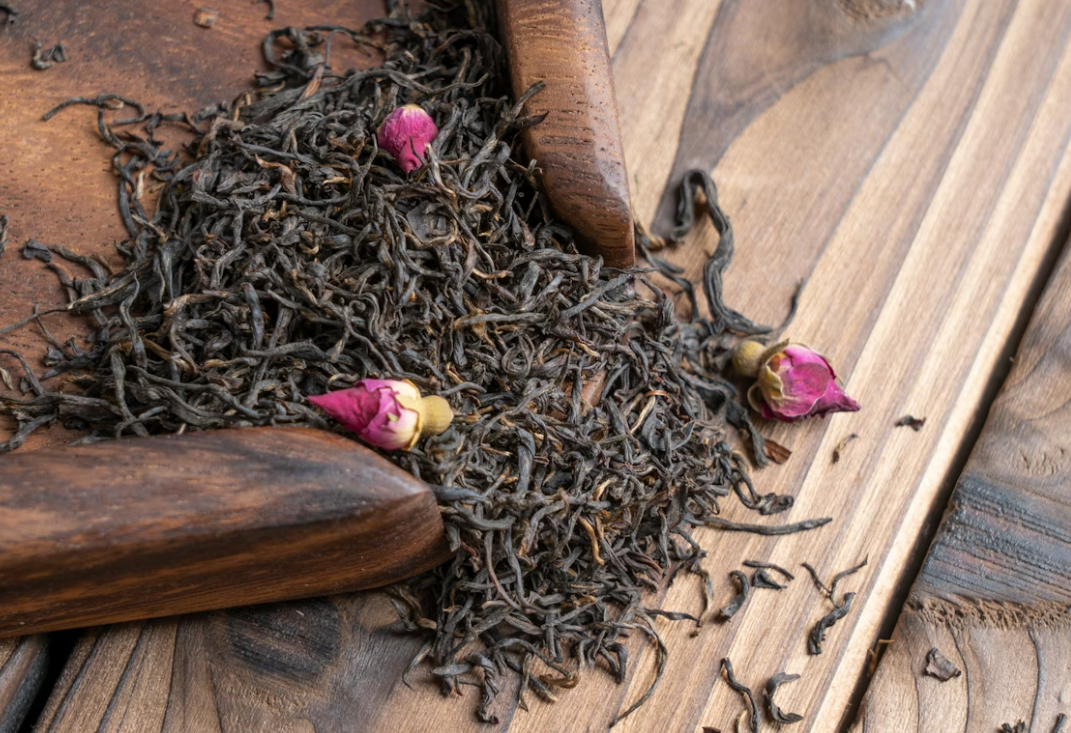
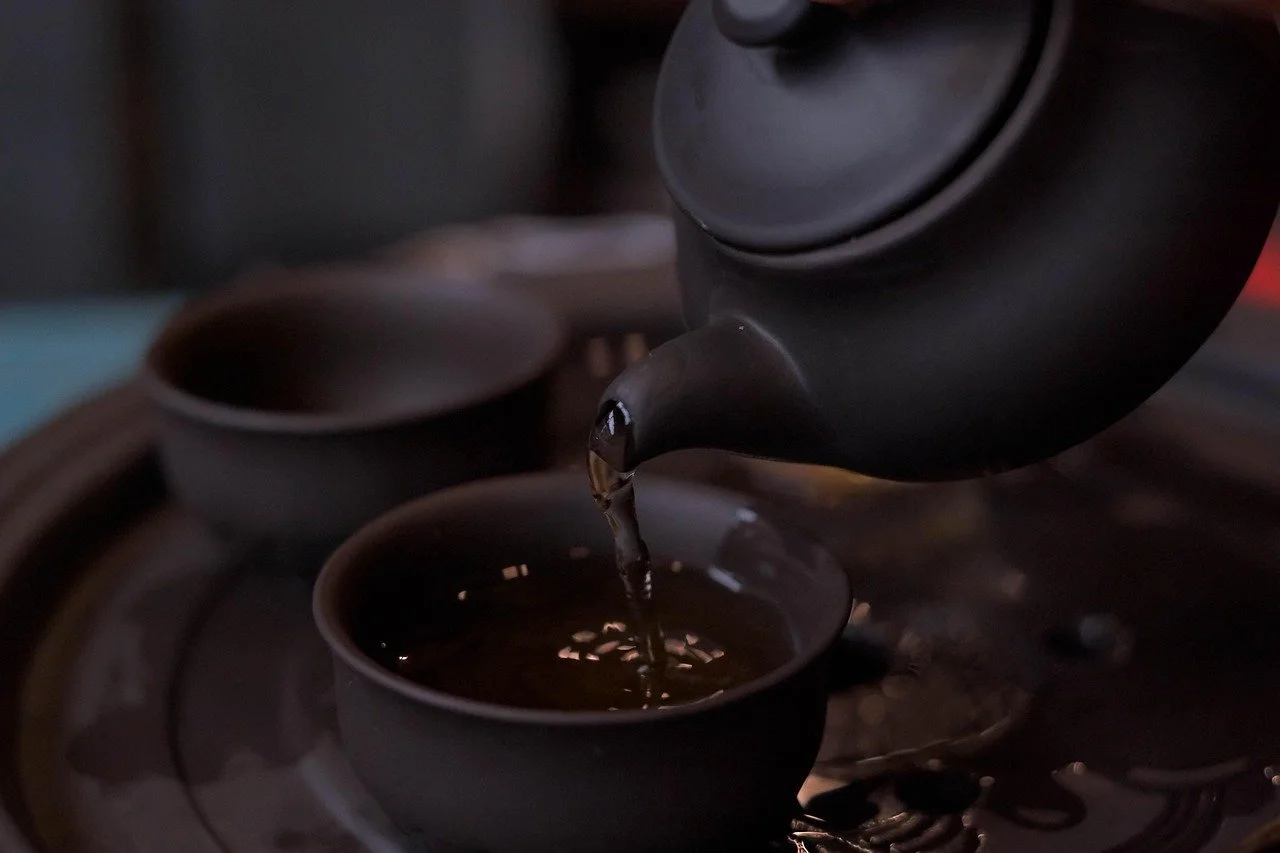
Oolong sits in the middle, and water temperature should follow its style.
Lighter oolongs with floral or creamy profiles prefer gentler heat, while darker, roasted oolongs often need hotter water to open their aroma and depth.
Consider Dong Ding Oolong. When brewed too cool, it can taste muted, like the tea is staying closed. With the right heat, it becomes structured and layered, revealing toasted sweetness without becoming harsh.
For highly aromatic oolongs such as Oriental Beauty (Bai Hao Oolong), temperature is the difference between perfume and over-extraction. Too hot and the elegance collapses into dryness. Slightly gentler water protects the tea’s signature honeyed fragrance.
Herbal Teas: Hot Water, But With Intention
Herbal teas do not contain the same bitterness compounds as true tea leaves, so they can handle heat. In many cases, they need it to extract properly.
The mistake people make is not using hot water. It’s using hot water and then steeping too long, creating a brew that tastes heavy rather than clean.
For calming infusions like Chamomile, hotter water helps release its gentle floral body, but the steep should still feel measured, not forgotten.
Recognise Temperature Errors by Taste
You can diagnose temperature issues without a thermometer.
If the tea tastes bitter, sharp, or drying very quickly, your water is too hot.
If the tea tastes weak, flat, or “empty” even after a longer steep, your water may be too cool, or the tea needs more time.
If the tea smells fragrant but tastes thin, temperature may be fine but infusion time is too short.
If the tea tastes strong but aroma is missing, water may be too hot and the aromatics have been destroyed or overwhelmed.
Learning these signals makes temperature adjustment intuitive.
How to Control Temperature Without a Thermometer
You can still get consistent results with simple habits.
One method is to boil water, then let it rest briefly before pouring. Another is to pour boiled water into an empty mug or teapot first, then pour into the tea vessel. That small heat loss often protects delicate teas.
If you want to understand how vessel choice also affects heat retention and temperature behaviour, revisit How to Choose the Right Teaware for Different Types of Tea. Teaware is not just aesthetic. It is part of temperature control.
The Goal Is Not Rules. It’s Repeatability.
Temperature guides are useful, but the real goal is consistency.
When you can brew the same tea three times and get the same flavour each time, you’ve learned the craft. When you can change one dial and predict what will happen, you’ve gained control.
Tea becomes calmer when the outcome is not a surprise.
Continue Exploring
If you want to deepen your ability to read tea by taste, The Art of Asian Tea: 12 Traditional Tea Styles Every Drinker Should Know pairs beautifully with this guide and helps you understand why different tea cultures treat water temperature so differently.