Tea Collection: Sencha
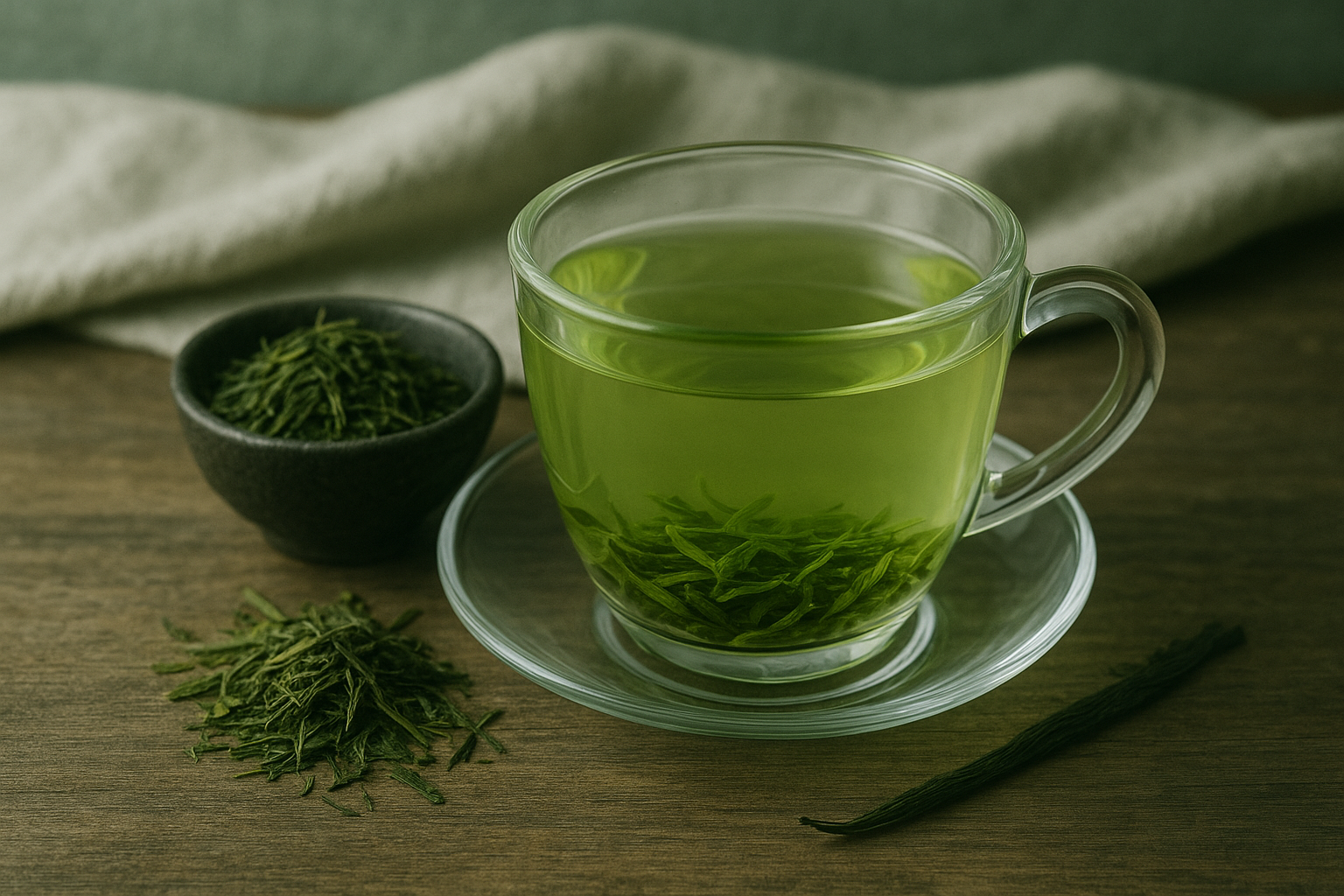
Inside the Tea
In the rolling hills of Shizuoka and the misty mountains of Uji, rows of neatly trimmed tea bushes stretch out like green waves. This is the heartland of sencha, Japan’s most beloved tea. Unlike the wok-fired greens of China, Japanese sencha is steamed immediately after picking. This single decisive act arrests oxidation and locks in the vivid colour and fresh, grassy character that people around the world associate with Japanese green tea.
During harvest, pickers move quickly through the fields, snapping off tender shoots that include one or two leaves and a bud. Within hours, these leaves are carried to processing facilities and exposed to jets of steam for less than a minute. This steaming stops enzymatic activity, keeping the leaves green and lively. The leaves are then rolled and shaped repeatedly—a labour-intensive process that yields long, needle-like strands. Depending on the steaming duration, sencha is classified as asamushi (light steamed), chumushi (medium), or fukamushi (deep steamed). Light steaming preserves more structure and results in a translucent liquor; deep steaming breaks down the leaf more thoroughly, creating an opaque, almost neon green brew.
A properly brewed cup of sencha glows jade or pale chartreuse and gives off aromas of cut grass, seaweed, and toasted rice. On the palate, it balances sweetness and a gentle, refreshing bitterness known as shibumi. High-quality sencha also carries a savoury umami, reminiscent of broth or nori. The texture is clean and crisp, leaving the mouth feeling rinsed rather than coated. As the liquor cools, new notes may emerge—citrus, steamed spinach, or even melon. Sencha is not shy; it fills the senses with brightness and clarity.
Sencha is not merely a beverage but a daily ritual in Japan. Served after meals, at business meetings, and to guests, it communicates attentiveness and welcome. There is also sencha-do, a less formal tea ceremony in which practitioners appreciate the nuances of high-grade sencha in multiple infusions. It is a study in simplicity and seasonality: the water must be at the right temperature; the utensils, modest; the environment, calm. Sencha stands at the intersection of agriculture and aesthetics—meticulous farming, precise steaming, and an appreciation for fleeting seasonal freshness.
What People Notice Most Often
Fresh, grassy aroma with touches of seaweed or marine breeze
Bright, slightly sweet flavour balanced by gentle bitterness
Vivid green or yellow-green liquor depending on steaming level
Moderate caffeine that lifts without overwhelming
Needle-shaped leaves that unfurl quickly in hot water
Varieties like asamushi, chumushi, and fukamushi offer different textures
High in antioxidants, especially catechins
Multiple short infusions reveal evolving sweetness and umami
Pairs well with sushi, rice dishes, and light meals
Clean finish that feels refreshing and palate-cleansing
Tea at a Glance
Overview
Sencha is Japan’s quintessential steamed green tea, representing the majority of the country’s tea production. By steaming the leaves, producers capture a bright green colour and fresh, grassy flavour. Its clean taste and cultural prominence make sencha the everyday tea of Japan.
The Experience
Sencha tastes crisp and lively, delivering grassy sweetness, savoury umami, and a gentle bite of bitterness. Its liquor ranges from translucent green to opaque jade. Each infusion feels like a breath of spring.
Brew Notes to Try
Traditional Japanese Brew
Use 70 °C water; steep 1 minute; re-steep at slightly higher temperature for 30 seconds.Fukamushi (Deep Steamed)
Brew with cooler water (65 °C) for 30–45 seconds; yields a thicker, sweeter cup.Cold Brew (Mizudashi)
Steep sencha in cold water for 4–6 hours; produces a sweet, low-bitter infusion.Iced Sencha
Brew hot then pour over ice; add a twist of lemon.Genmaicha Mix
Blend sencha with roasted brown rice to add nuttiness; brew at 80 °C.
Why People Love It
Sencha is cherished for its refreshing clarity and the way it embodies Japanese seasons. It’s everyday yet refined, delivering a clean energy and satisfying umami. Its versatility—hot or cold, light or deep-steamed—offers something for every mood.
Good to Know
Lower water temperature (70–80 °C) prevents bitterness
Short steeping times (30–90 seconds) are key
Can be re-steeped 2–3 times
Store in airtight, light-proof containers; sencha degrades quickly
Higher quality sencha is often labelled shincha (new tea) in spring
Moderate caffeine; drink earlier in the day if sensitive
Where It Comes From
Japan—Shizuoka, Uji (Kyoto), Kagoshima, and other regions
Cultivar: Yabukita is most common; many regional cultivars exist
Processing: Steamed (asamushi, chumushi, fukamushi) and rolled into needles
Harvest: main flush in April–May; shincha in spring