Cocktail Archive: Garibaldi (Italy)
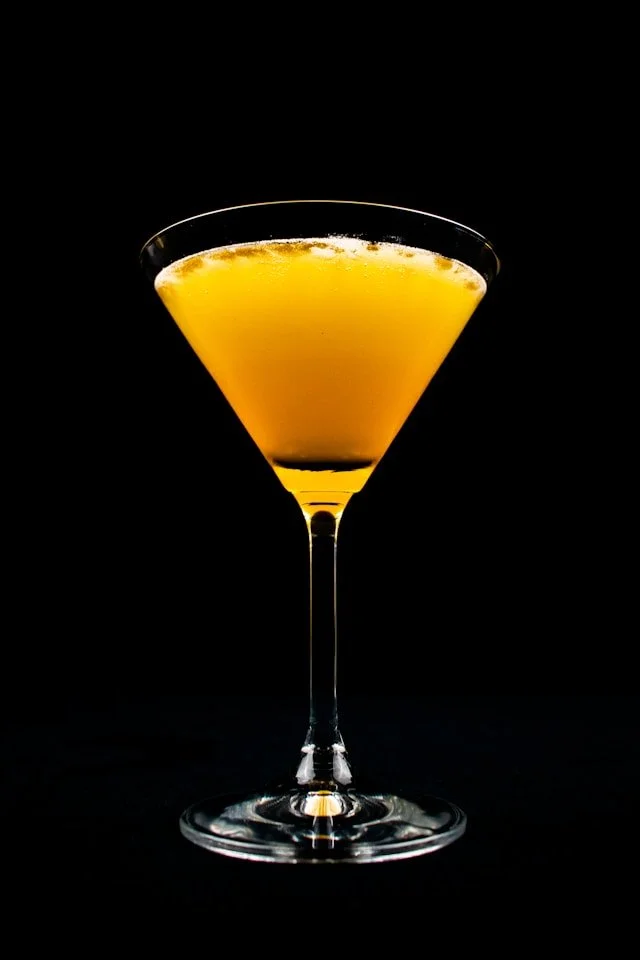
The Garibaldi is brightness made deliberate. Vivid in colour and generous in spirit, it looks simple at first glance, yet carries surprising depth when treated with care. Served cold and glowing, it feels both refreshing and substantial, a drink that bridges casual daytime drinking and the quiet seriousness of aperitivo hour.
There is an honesty to the Garibaldi that makes it enduring. It does not hide its bitterness, nor does it overwhelm with sweetness. Instead, it relies on contrast, allowing ripe citrus to soften Campari’s edge without erasing its character. The result is approachable but grounded, a cocktail that feels relaxed without being careless.
Origin & Cultural Context
Named after Giuseppe Garibaldi, a central figure in Italian unification, the drink reflects its origins symbolically as much as geographically. The red of Campari and the golden hue of orange juice echo the colours often associated with the Italian south and north, an interpretation that has helped the cocktail embed itself in Italian café culture.
The Garibaldi became a popular aperitivo option in Italy because of its simplicity and accessibility. With just two primary components, it could be prepared quickly, enjoyed early, and repeated without fatigue. In recent years, renewed attention to juice quality has quietly elevated it from a casual order to a respected classic.
What Defines the Garibaldi
The Garibaldi is defined by texture as much as flavour. Fresh orange juice, ideally lightly aerated, creates a soft, almost creamy mouthfeel that contrasts Campari’s bitterness. Compared to spirit-forward aperitifs, it feels lighter and more generous, yet still distinctly bitter at its core.
Ingredients
Campari
Fresh orange juice
Equipment Needed
Highball glass
Bar spoon
Method
Fill a highball glass with ice
Add Campari
Top with fresh orange juice
Stir gently to combine

Batch Smarter, Serve Faster
Planning drinks for a party or event? Our Pre-Batch Calculator helps you scale recipes accurately, so every guest gets the perfect pour without the guesswork.
Notes & Variations
Orange quality determines everything. Sweet, ripe oranges produce a rounded drink, while sharper citrus results in a drier profile. Many modern bars lightly whip or blend the juice to introduce air, creating a softer texture without changing flavour.
While some variations adjust proportions or add soda, the classic Garibaldi remains intentionally minimal. Its appeal lies in clarity rather than complexity.
When to Drink It
The Garibaldi suits late mornings, early afternoons, and the gentler side of aperitivo hour. It is ideal when you want bitterness without weight and refreshment without excess. Casual but considered, it works as easily on a sunny terrace as it does at the bar.
Its strength is not subtlety, but balance. The Garibaldi knows exactly what it is, and never tries to be more.