The Art of Asian Tea: 12 Traditional Tea Styles Every Drinker Should Know
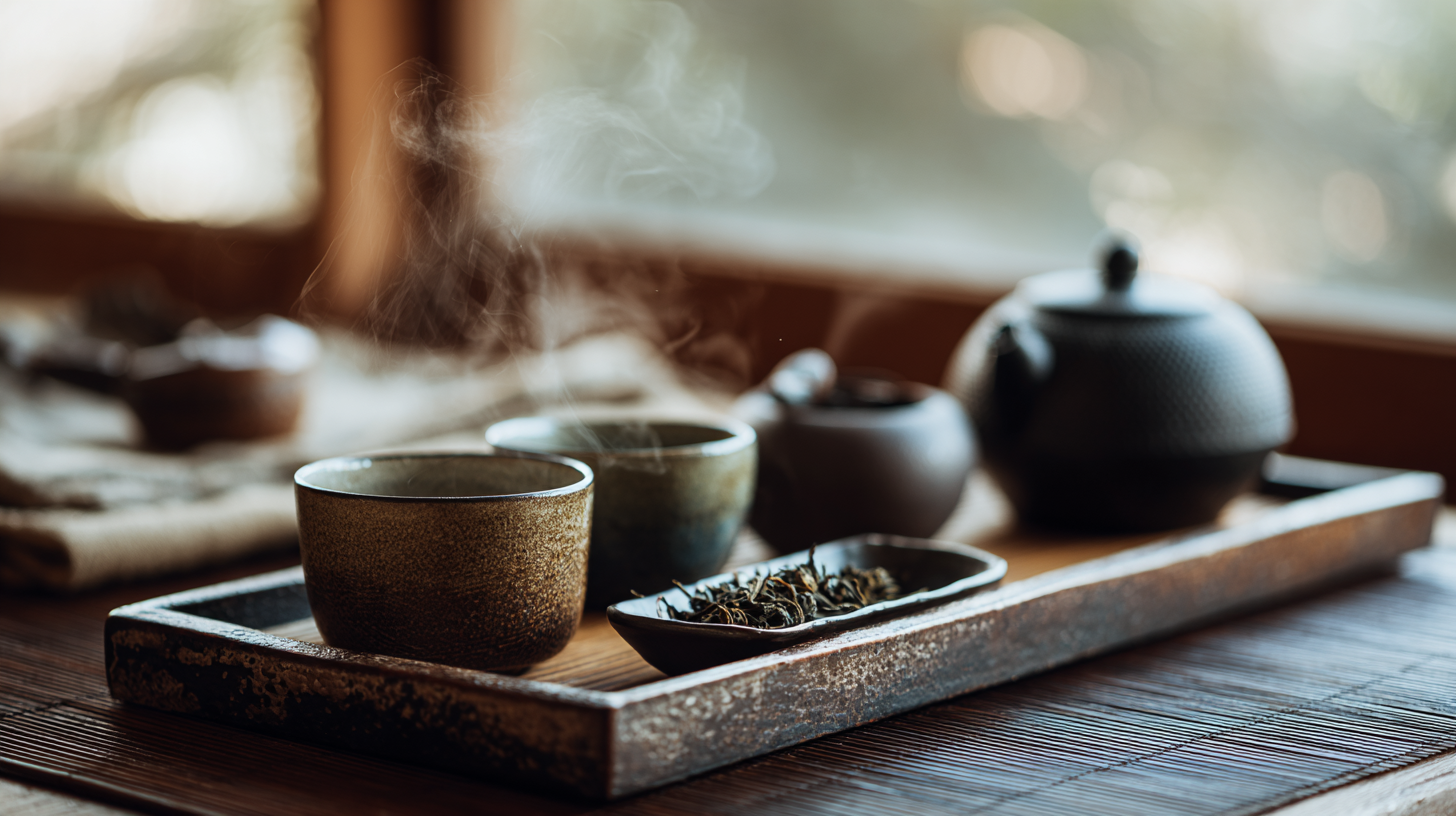
Tea in Asia is more than a beverage — it is ritual, heritage, and quiet philosophy. For centuries, tea has shaped social customs, influenced cuisines, and served as a daily meditation. While modern cafés have introduced countless new styles, the foundation still rests on the traditional teas that shaped Asian culture.
This guide explores 12 essential tea styles every drinker should know — the teas that defined Japan, China, Korea, and Taiwan long before the modern tea movement emerged.
1. Sencha (Japan)
Japan’s everyday green tea.
Bright, grassy, and refreshing with a subtle ocean breeze note.
2. Matcha (Japan)
Stone-ground green tea used in tea ceremonies.
Rich, velvety, umami-forward, with calming depth.
3. Genmaicha (Japan)
Green tea blended with roasted rice.
Nutty, comforting, and incredibly fragrant.
4. Hojicha (Japan)
Roasted green tea with warm, toasty notes.
Low in caffeine, perfect for evenings.
5. Longjing / Dragon Well (China)
One of China’s most prized green teas.
Pan-fired, smooth, slightly sweet, and famously refreshing.
6. Tieguanyin (China)
A lightly oxidised oolong named after the Iron Goddess of Mercy.
Floral, buttery, and elegantly complex.
7. Pu-erh (China)
A fermented and aged tea from Yunnan.
Earthy, deep, and prized for its digestive qualities.
8. Dong Ding Oolong (Taiwan)
A balanced oolong with floral aroma and roasted undertones.
Taiwan’s signature tea, cherished for its harmony.
9. High Mountain Oolong (Taiwan)
Grown in misty elevations above 1,000 meters.
Creamy, smooth, and exceptionally aromatic.
10. Nokcha (Korea)
Korean green tea with a gentler profile than Japanese sencha.
Smooth, lightly sweet, and quietly refreshing.
11. Omija-cha (Korea)
Tea made from the “five-flavour berry.”
Sweet, sour, salty, bitter, and spicy — uniquely Korean.
12. Barley Tea / Mugicha (Japan & Korea)
A caffeine-free staple served hot or iced.
Toasty, refreshing, and deeply nostalgic.
How Asian Tea Differs From Western Tea
Asian tea traditions emphasise:
minimal processing
multiple infusions
appreciation of aroma
purity of flavour
the spiritual or meditative aspect of brewing
While Western tea often relies on blends and additions (milk, sugar, lemon), many Asian teas are enjoyed simply as they are — allowing the leaves to speak for themselves.
Brewing Tips for Traditional Asian Teas
Use lower temperatures for green teas to avoid bitterness.
Oolongs shine with multiple short infusions.
Pu-erh benefits from a quick rinse before brewing.
High-quality teas improve dramatically with good water.
The philosophy is simple: brew with intention, not speed.
Final Thoughts
Exploring Asian tea is like walking through history — every leaf carries a story, every cup a centuries-old tradition. Whether you’re new to tea or deepening your understanding, these 12 styles form the foundation of Asia’s rich tea culture.