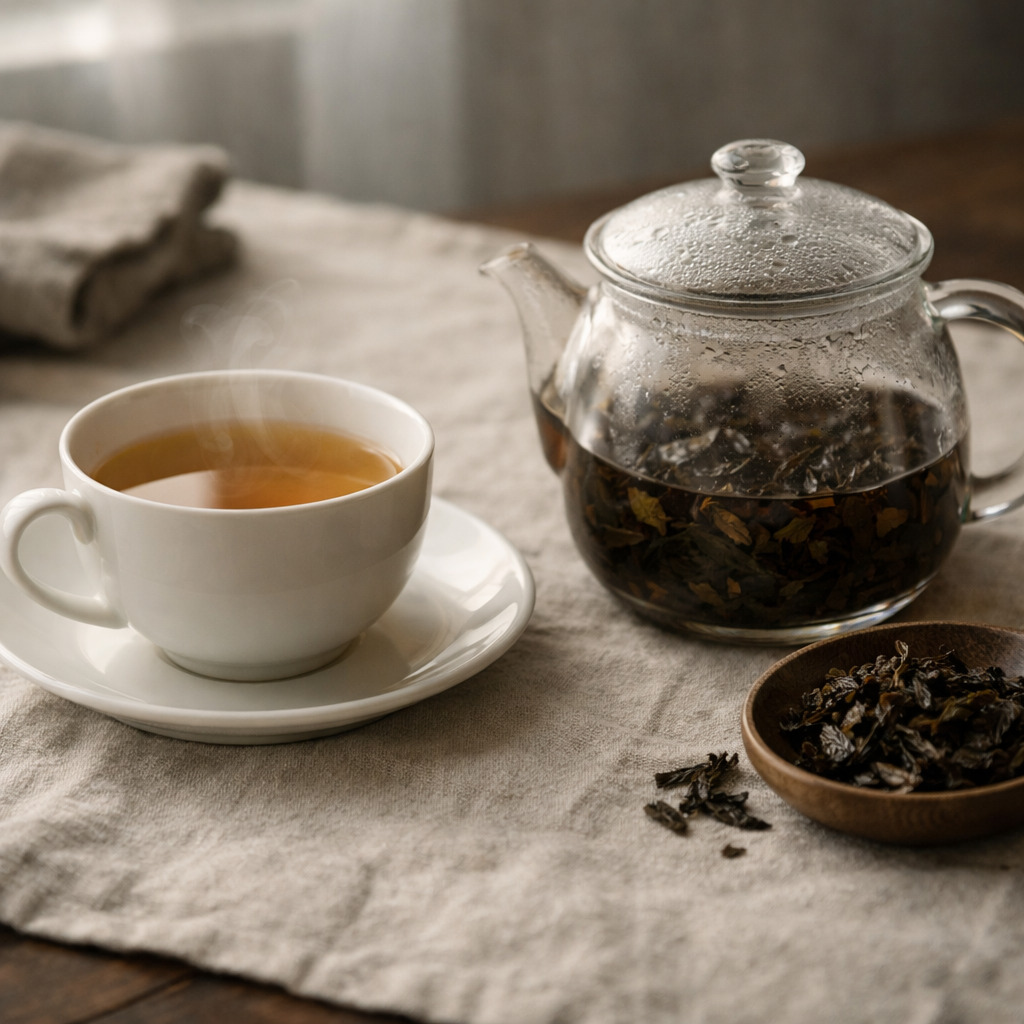
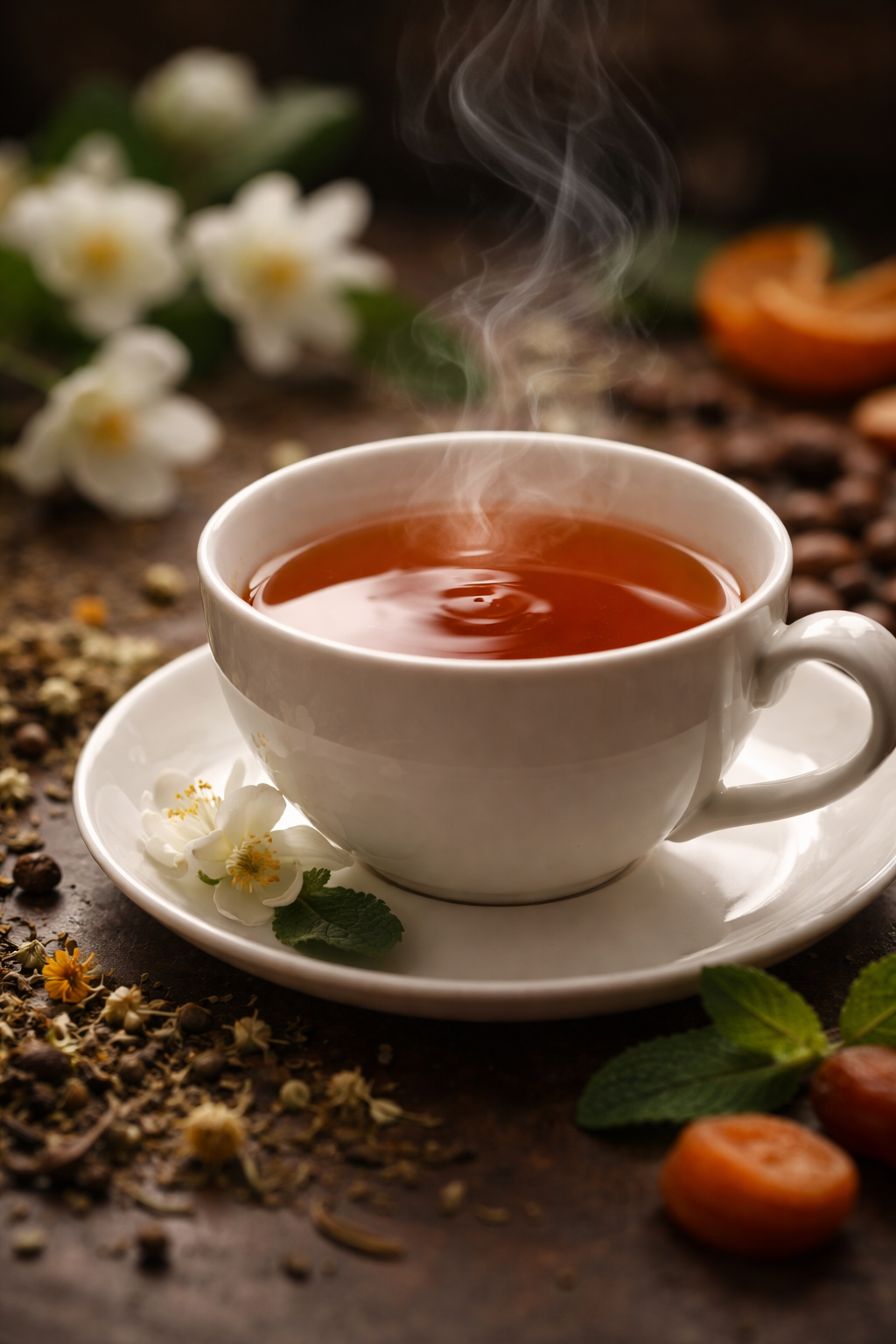
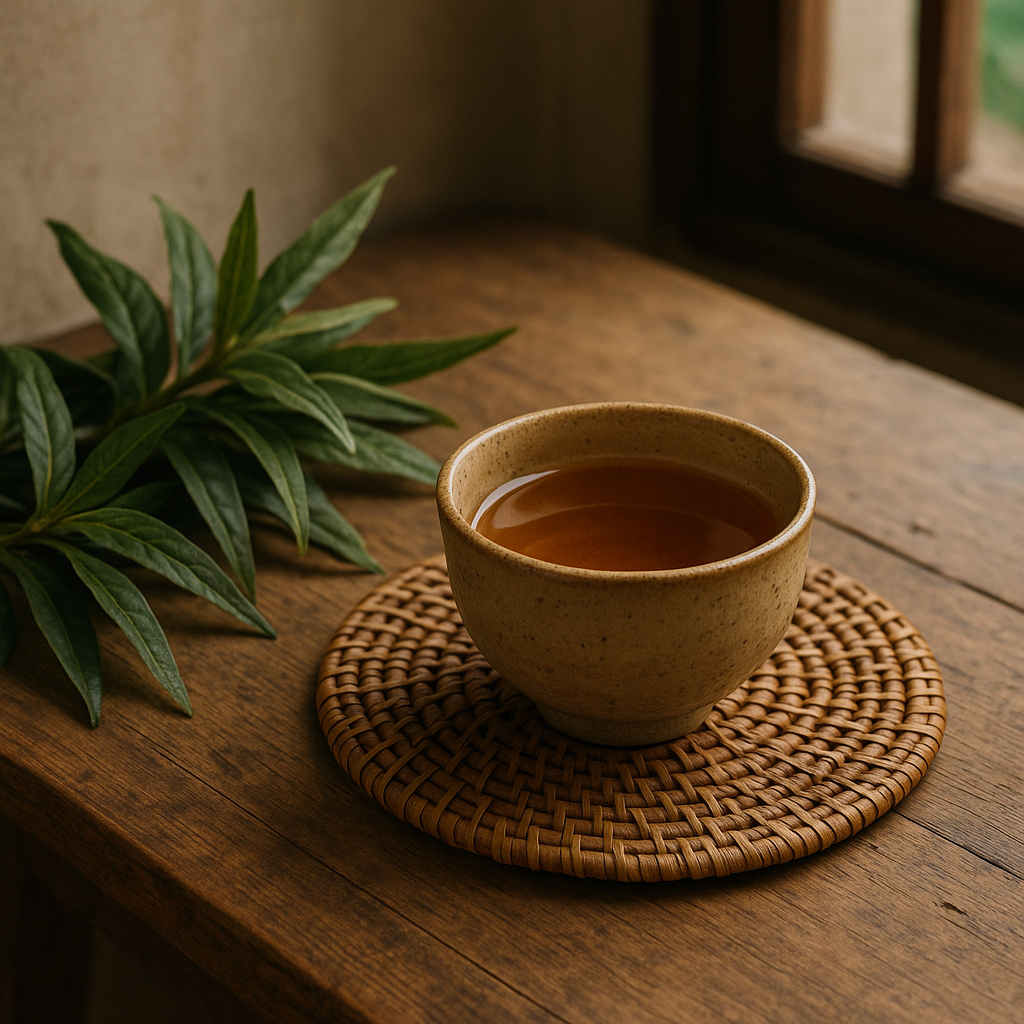
Over-brewing is rarely dramatic.
Tea does not always turn aggressively bitter or undrinkable when it has been brewed too long. More often, it simply loses dimension. Aroma fades. Texture dries out. What should feel layered becomes blunt and tiring.
If your tea tastes “fine” but never memorable, over-brewing may be the reason. These are the quiet signals that extraction has gone too far, even when the cup still seems acceptable.
1. The Aroma Disappears Faster Than Expected
A well-brewed tea releases aroma steadily.
When tea is over-brewed, fragrance spikes early and collapses quickly. The steam smells strong at first pour, but the cup itself feels strangely mute moments later.
This is common with delicate teas like Sencha, where excessive heat or time strips volatile aromatics before they can be enjoyed.
Sencha Tea Collection
2. The Finish Feels Dry Rather Than Clean
Dryness is not clarity.
A drying sensation on the tongue or gums often signals excess tannin extraction. Instead of finishing crisp or refreshing, the tea feels chalky or constricting.
This is one of the clearest signs that steep time has gone beyond what the leaf can support.
3. Sweetness Vanishes Mid-Sip
Most teas contain natural sweetness.
When over-brewed, sweetness is overwhelmed by heavier compounds. The first sip may feel acceptable, but the mid-palate collapses into flatness or bitterness.
Teas like Dong Ding Oolong are especially revealing here. When brewed correctly, they feel rounded and creamy. When over-brewed, they lose that softness entirely.
Dong Ding Oolong Tea Collection
4. Floral Notes Turn Perfumey or Sharp
Florals should feel airy, not aggressive.
Over-brewing pushes floral teas from fresh and petal-like into something closer to fragrance. The aroma becomes pointed rather than expressive.
This is a common issue with teas like Rose Tea, which demand restraint to stay elegant.
Rose Tea Collection
5. The Tea Tastes Heavier as It Cools
Cooling often reveals brewing mistakes.
A tea that feels balanced when hot but turns dull or bitter as it cools has likely been over-extracted. Excess tannins become more noticeable at lower temperatures.
Well-brewed tea tends to open as it cools, not collapse.
6. You Feel the Need to Add Sweetener Immediately
Reaching for sugar or honey right away is often a signal.
When tea lacks natural balance, sweeteners are used to mask dryness or bitterness. This does not fix the problem. It only hides it.
Proper extraction should allow you to taste the tea clearly before deciding whether to add anything at all.
7. The Colour Darkens Faster Than Expected
Colour tells a story.
If your tea darkens rapidly in the cup, especially with lighter teas, extraction is happening too aggressively. This is often due to excessive heat, too much leaf, or steeping too long.
Watching colour develop is one of the simplest ways to catch over-brewing early.
8. Texture Feels Thin but Harsh at the Same Time
This combination is revealing.
Over-brewed tea can feel both watery and abrasive. Body disappears while bitterness remains. The cup lacks weight but still fatigues the palate.
This imbalance often leads people to assume the tea itself is low quality when the issue is actually technique.
9. The Second Cup Tastes Worse Than the First
Consistency matters.
If multiple brews from the same leaves become progressively harsher rather than evolving gently, over-brewing is likely occurring from the start.
This is especially noticeable with multi-infusion teas like Tie Guan Yin, which should soften and sweeten over successive brews.
Tie Guan Yin Iron Goddess of Mercy Collection
10. You Rely Entirely on Timers Instead of Taste
Timers are tools, not authorities.
Leaves behave differently based on freshness, size, and processing. Brewing strictly by the clock without observing aroma, colour, and taste often leads to over-extraction.
Learning to adjust based on sensory cues is what separates repeatable brewing from rigid brewing.
For a deeper look at how small brewing adjustments transform flavour, this guide offers a broader framework.
10 Tea Practices That Quietly Transform How Tea Tastes
Final Thought
Over-brewing is rarely about negligence.
It is usually about habit.
Once you recognise these signs, correcting them becomes simple. Shorter steeps, gentler temperatures, and closer attention restore aroma, sweetness, and structure almost immediately.
Tea does not ask for precision.
It asks for awareness.
👉 Explore more tea collections, brewing insight, and thoughtful guides at
The Drink Journal