
Matcha vs Hojicha: What Is the Difference?
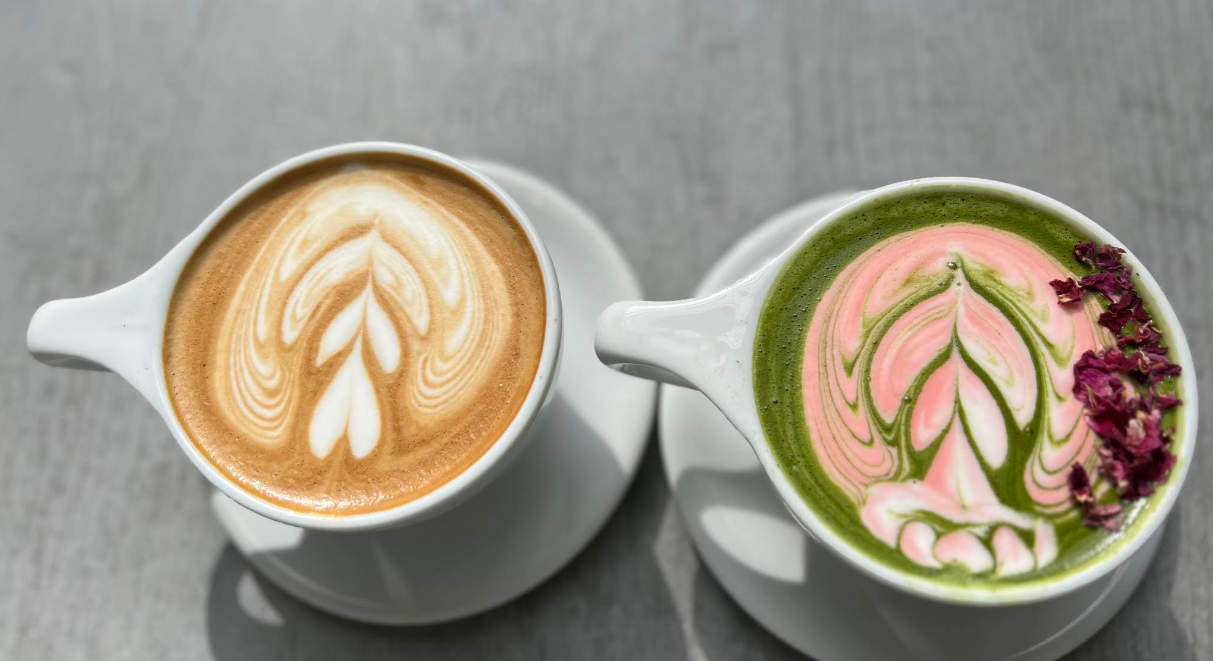
Matcha and hojicha are both Japanese green teas, but they offer very different experiences. Matcha is vivid, vegetal and rich in umami, while hojicha is roasted, mellow and naturally nutty. Their flavour, colour, caffeine level and preparation all reflect the way each tea is processed.
Matcha and hojicha are frequently placed beside one another on modern café menus, often as alternatives to coffee. Both come from the tea plant Camellia sinensis, both are closely associated with Japan, and both can be served traditionally or combined with milk.
Yet the resemblance is limited. Matcha is shade-grown green tea ground into a fine powder, while hojicha is roasted tea brewed from leaves, stems or a mixture of both. Matcha tastes grassy, creamy and savoury. Hojicha leans towards toast, caramel, nuts and gentle smoke.
Matcha and Hojicha at a Glance
- Finely ground shade-grown green tea
- Bright green in colour
- Vegetal, creamy and rich in umami
- Usually contains more caffeine
- Green tea roasted at high temperature
- Amber or reddish-brown in colour
- Toasty, nutty and softly smoky
- Usually lower in caffeine
What Is Matcha?
Matcha is produced from tea leaves grown under shade before harvest. The reduced sunlight encourages the leaves to retain more chlorophyll and develop a deeper savoury character. After processing, the leaves are ground into an exceptionally fine powder.
Unlike steeped tea, matcha is whisked directly into water, so the entire leaf is consumed. This gives it a denser texture and a more concentrated flavour. High-quality matcha may balance sweetness, gentle bitterness, fresh vegetal notes and a lingering umami finish.
Matcha can be prepared traditionally with hot water and a bamboo whisk, but it also appears in lattes, desserts and contemporary café drinks. Its vivid colour and distinctive taste have made it one of the most recognisable forms of Japanese tea.
What Is Hojicha?
Hojicha is Japanese green tea that has been roasted. The roasting process transforms the leaves from green to brown and replaces much of their grassy character with aromas resembling toasted grain, cocoa, nuts, caramel and wood.
It may be made from mature leaves, stems or bancha, depending on the producer. Because roasting softens bitterness and reduces the tea's sharper vegetal edge, hojicha is often approachable even for people who do not usually enjoy green tea.
Traditional hojicha is steeped and strained like other loose-leaf teas. Powdered hojicha is also increasingly common in cafés, where it can be whisked into water or milk in a way similar to matcha.
Which Japanese Tea Suits You?
Choose the quality that sounds most appealing.
The Main Differences
Processing
Matcha is shaped by shade-growing and stone grinding. Hojicha is defined by roasting. These processes create nearly opposite expressions of green tea: one fresh and intensely vegetal, the other warm, toasted and mellow.
Flavour
Matcha often presents notes of spinach, seaweed, young grass and cream, supported by sweetness and umami. Hojicha tastes more like toasted rice, nuts, cocoa or caramel, with far less of the grassy flavour normally associated with green tea.
Preparation
Matcha powder is whisked into water and consumed whole. Traditional hojicha is steeped before the leaves are removed, although powdered versions can also be whisked. Matcha preparation therefore tends to produce a thicker, more opaque drink.
Caffeine
Matcha usually contains more caffeine because the entire powdered leaf is consumed. Hojicha is generally lower in caffeine, partly because it is often made from mature leaves and stems. Exact amounts vary according to the tea, serving size and preparation.
Continue the Tea Trail
Look beyond colour and discover how processing shapes flavour
Matcha and hojicha show how a single plant can become two markedly different drinks. Explore more perspectives on beverage craft through The Drink Journal and its wider documentation of contemporary drinking culture.
Which One Works Better With Milk?
Both teas work well with milk, but they behave differently. Matcha brings greater intensity, colour and bitterness, so it remains prominent in a latte. Hojicha creates a softer and rounder drink, often resembling a lightly roasted caramel or nut-based beverage.
Matcha is the better option when the tea itself should dominate. Hojicha is often more forgiving and may appeal to people who find matcha too grassy or assertive. Sweeteners should be used carefully with either, since too much can obscure their individual character.
Which One Should You Choose?
Choose matcha when you want intensity, umami and a more energising drink. It suits those who enjoy fresh vegetal flavours and the dense texture of whisked tea.
Choose hojicha when you prefer warmth, softness and roasted flavour. Its naturally mellow profile makes it approachable, particularly in the afternoon or evening.
Neither is the universally better tea. They answer different moods: matcha is vivid and focused, while hojicha is quiet and comforting.
The Final Verdict
Matcha is green, powdered and rich in umami. Hojicha is roasted, amber and gently nutty. Their contrast comes from processing rather than plant variety, demonstrating how technique can completely redirect the identity of a tea.
This relationship between ingredients, method and culture lies at the centre of TDJ's editorial approach. It also connects tea to a wider beverage world shaped by specialised producers, hospitality spaces and creative studios.
Readers exploring that broader world can continue through Destination Beverage, discover contemporary hospitality through Somma Bar, or visit Studio Origin for another perspective on modern beverage development.
One More Cup
Follow the people, places and methods behind modern drinks
Continue exploring tea, coffee, cocktails and contemporary beverage culture across The Drink Journal.
Frequently Asked Questions
Is hojicha the same as matcha?
No. Matcha is shade-grown green tea ground into powder, while hojicha is green tea that has been roasted. Their preparation, colour and flavour are distinctly different.
Which has more caffeine, matcha or hojicha?
Matcha usually contains more caffeine because the entire powdered leaf is consumed. Hojicha is generally lower in caffeine, although exact amounts vary by product and serving size.
Does hojicha taste like green tea?
Hojicha retains some tea character, but roasting replaces much of the grassy flavour with notes of toast, nuts, cocoa, caramel and gentle smoke.
Which is better for a latte?
Matcha produces a stronger, greener and more vegetal latte. Hojicha creates a softer, roasted and more caramel-like drink. The better choice depends on the flavour you prefer.
Can hojicha be drunk at night?
Hojicha is often chosen later in the day because it is usually lower in caffeine than matcha. It still contains some caffeine, so sensitivity and serving size should be considered.
 Nicholas lin
I own Restaurants. I enjoy Photography. I make Videos. I am a Hungry Asian