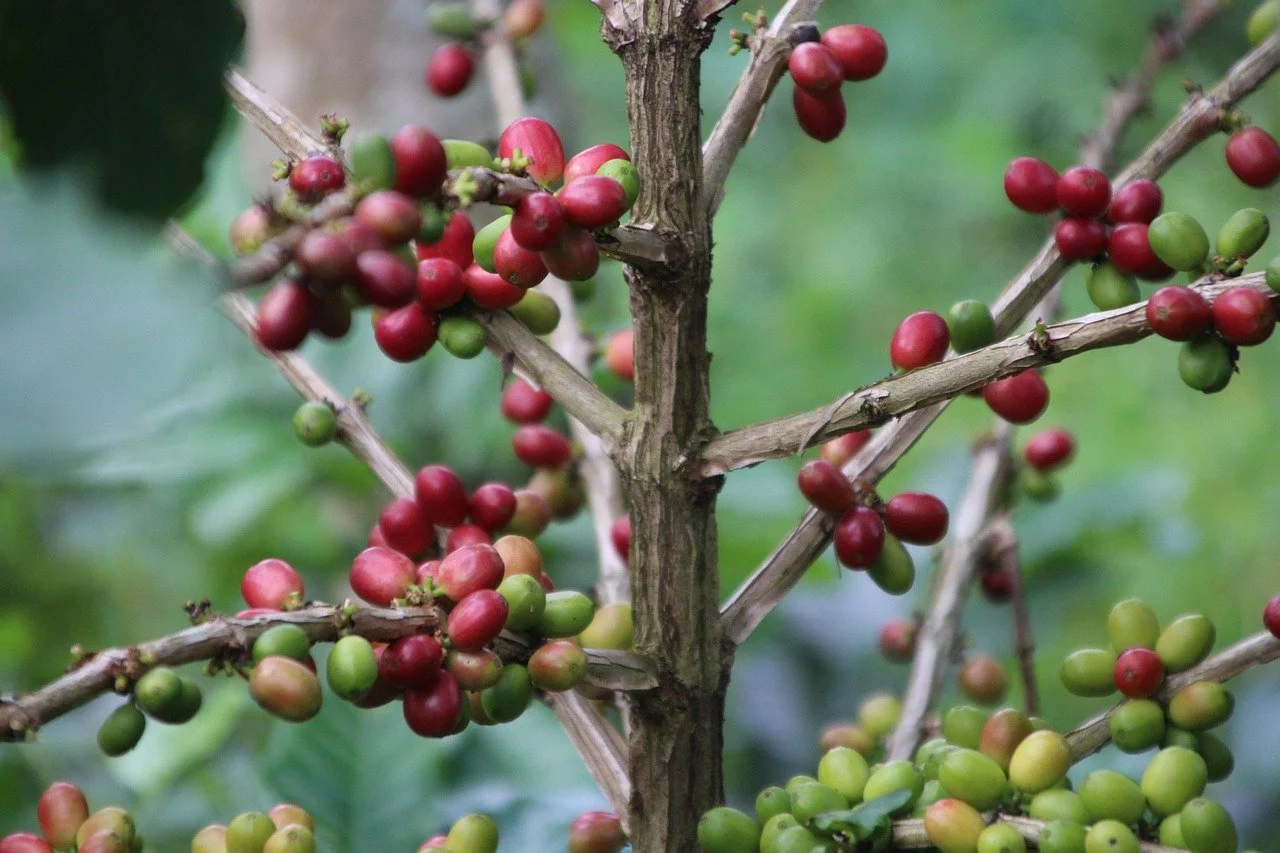
Papua New Guinea Mountain Coffee comes from misty highlands where coffee trees grow alongside banana plants, sweet potato fields, and towering rainforest canopies. The beans are cultivated at elevation, often by smallholder farmers, and processed close to where they are grown. The result is a coffee known for its balance. It is gently sweet, softly earthy, and marked by a clean acidity that never overwhelms. A cup of Papua New Guinea coffee feels grounded and calm, shaped by landscape and patience rather than speed.
Mountain coffees from Papua New Guinea are often compared to their neighbours across the Pacific, yet they retain a character of their own. The flavour profile is usually rounded, with hints of cocoa, tropical fruit, and subtle herbal notes. Brewing methods that preserve clarity tend to work best, a principle explored in A Beginner’s Guide to Understanding Specialty Coffee. Pour-over and drip methods allow the coffee’s natural sweetness to unfold without masking its quieter tones.
In local homes, coffee is brewed simply and shared generously. There is little separation between daily life and coffee ritual. The pace is unhurried, much like the atmosphere found in cafés that prioritise comfort and presence, such as Front Street Coffeehouse. Papua New Guinea Mountain Coffee is not about intensity or drama. It is about steadiness, warmth, and the slow pleasure of a well-made cup.
This is a coffee that rewards attention. As it cools, layers emerge quietly. Soft fruit becomes more apparent. Earthiness deepens. The cup remains balanced from first sip to last.
Highland air.
Soft sweetness.
A cup shaped by altitude and rain.
Ingredients
For one serving:
2 tablespoons medium grind Papua New Guinea coffee
1 cup hot water (240 ml), ideally 92 to 96°C
Optional sugar to taste
Optional additions:
A splash of milk for softness
A small pinch of cocoa powder
Equipment Needed
Essential
Pour-over dripper or drip coffee maker
Paper or metal filter
Mug or carafe
Electric kettle
Optional
Scale
Helps maintain a consistent brew ratio.
Burr grinder
Preserves the coffee’s aroma and balance.
Thermometer
Useful for controlling water temperature.
Method
1. Heat the Water
Bring water to 92 to 96°C.
This range extracts sweetness while preserving clarity.
2. Prepare the Filter and Grounds
Rinse the filter with hot water to remove any paper taste.
Add the ground coffee and gently level the surface.
3. Bloom the Coffee
Pour a small amount of water over the grounds, just enough to wet them evenly.
Allow the coffee to bloom for 25 to 30 seconds.
This step releases trapped gases and enhances aroma.
4. Slow, Steady Pour
Continue pouring water in slow, controlled circles.
Aim for a total brew time of about 3 minutes.
Avoid rushing, as even extraction is key to balance.
5. Taste and Adjust
Taste the coffee before adding sugar or milk.
Papua New Guinea coffee often carries enough natural sweetness on its own.
6. Serve and Observe
Serve hot and notice how the flavour evolves as the cup cools.
This coffee often reveals its best qualities mid-cup.
Notes
Medium roasts highlight cocoa and soft fruit notes common to Papua New Guinea beans.
Over-extraction can mute the coffee’s gentle character, so avoid boiling water.
A small splash of milk can add comfort without overpowering the flavour.
For deeper understanding of how equipment influences taste, How to Choose the Right Brewing Method offers helpful guidance.
Readers who enjoy coffee as a daily ritual rather than a performance may appreciate the warm, grounded spirit found in Flour Bakery Café.
For broader cultural context, explore 20 Must-Try Classic Coffee Beverages From Around the World.