

Bar hygiene is rarely visible to guests, but it defines how well a cocktail program functions day after day. Clean stations, predictable prep, and reduced contamination risk are not luxuries. They are operational necessities. As bars refine their systems, shelf-stable foaming agents have emerged as a practical upgrade, particularly when compared to traditional egg whites. Viewed through an operational lens, solutions like La Mouss address many of the hygiene challenges bars quietly struggle with.
At The Drink Journal, we look closely at how ingredients behave over the course of real service, not just in ideal conditions.
Hygiene Starts With Storage
Egg whites introduce hygiene considerations before a drink is even made. They require refrigeration, labelling, rotation, and disposal. Any lapse in these steps increases risk. During busy service, monitoring perishable ingredients becomes harder, not easier.
Shelf-stable foaming agents remove this entire category of concern. La Mouss can be stored at room temperature, accessed quickly, and returned to storage without worry. There is no temperature danger zone to manage and no end-of-shift decision about whether something needs to be thrown away.
From an operational standpoint, fewer storage variables mean fewer hygiene failures.
Reduced Cross-Contamination Risk
Raw eggs are one of the most common sources of cross-contamination in food and beverage environments. Shell contact, spills, and residue on hands or tools can easily spread beyond the shaker.
Shelf-stable foaming agents eliminate that risk entirely. There is no shell, no separation step, and no protein residue spreading across the station. Shakers, strainers, and bar tops stay cleaner throughout service.
This matters most during peak hours, when tools cycle rapidly and cleaning windows are short.
Cleaner Tools, Faster Turnover
Egg white residue clings to metal and glass. Anyone who has cleaned a shaker after service knows how stubborn it can be. Over time, this slows tool turnover and increases water and chemical use.
La Mouss rinses clean. There is no film left behind and no lingering aroma on equipment or cloths. Tools move back into service faster, and cleaning becomes more consistent across shifts.
For bars serving classic foamed cocktails in volume, this difference is immediately noticeable. The Whiskey Sour is a common example, and we explore its structure and execution in our Whiskey Sour cocktail archive. Cleaner foam means cleaner workflow.
Less to Sanitize Is Still Better Hygiene
Hygiene is not just about cleaning more. It is about having less that needs cleaning in the first place.
Consistency Supports Safety
Operational hygiene also depends on consistency. Egg whites vary in freshness and handling, which affects not only foam performance but also sanitation risk. A busy bar does not always have time to assess condition mid-shift.
Shelf-stable foaming agents behave the same way every time. There is no judgement call involved. Bartenders use the same amount, the same way, across every shift. That predictability reduces mistakes and supports safer service.
This mindset mirrors how professionals manage other hygiene-sensitive fundamentals, such as ice. We have previously examined this discipline in our guide on using ice to control dilution in cocktails, where cleanliness and control go hand in hand.
Neutral Foam, Fewer Adjustments
From a hygiene perspective, neutrality matters. Egg whites introduce aroma and flavour that often require compensating adjustments in recipes. Those adjustments slow service and increase handling.
La Mouss is neutral in both taste and aroma. Drinks behave as designed, without extra steps or corrections. Bartenders touch fewer tools, make fewer changes, and move more efficiently.
Less handling means fewer opportunities for contamination.
Training and Staff Rotation
Bars with rotating staff face an additional hygiene challenge. Ingredients that require explanation or special handling increase the risk of error.
Shelf-stable foaming agents simplify training. New staff learn one method that applies across drinks. There are no food-safety edge cases to memorise and no perishable timelines to manage. This consistency helps maintain hygiene standards even as teams change.
Presentation Without Compromise
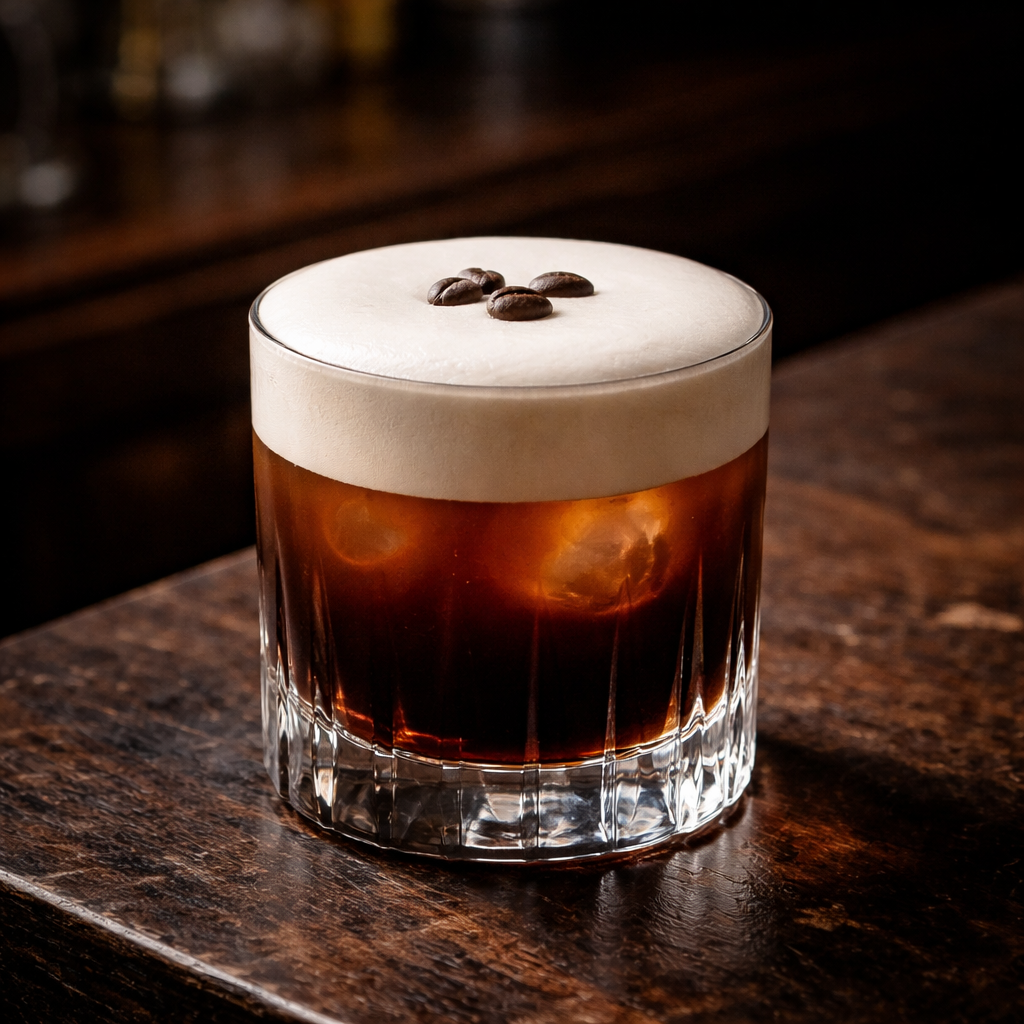
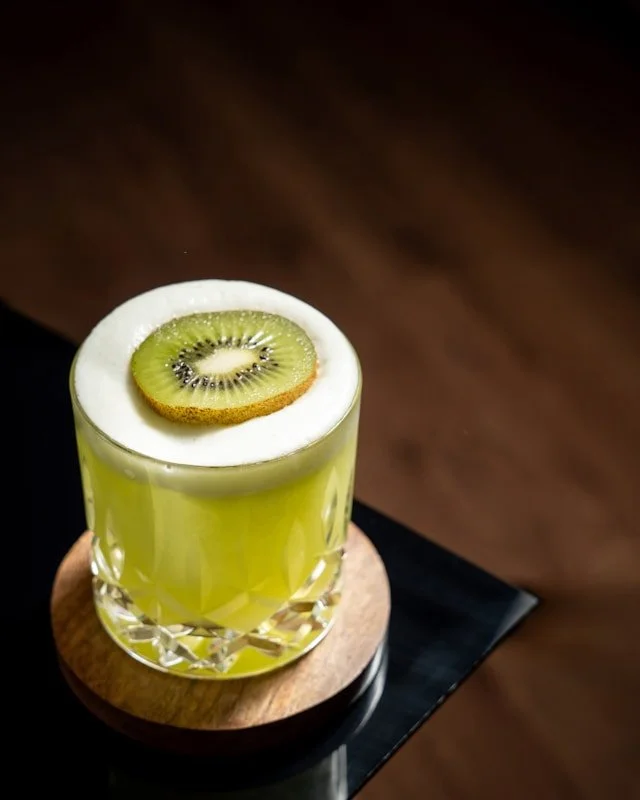
Hygiene improvements should not come at the expense of presentation. Shelf-stable foaming agents deliver stable, fine-textured foam that holds its shape through service.
This stability supports clean presentation choices around garnish and glassware. When foam behaves predictably, bartenders can focus on visual balance rather than correcting collapse or separation. We often explore this relationship in our feature on choosing the right glass for any cocktail.
Clean workflow and clean visuals tend to reinforce each other.
Built for Operational Reality
La Mouss was developed with professional bars in mind. It integrates easily into existing recipes, requires minimal training, and simplifies sanitation routines.
Bartenders looking to understand its role in daily service can explore how to use La Mouss, alongside insight into why La Mouss was developed and where to find La Mouss. A full overview is available on the La Mouss official website.
Final Assessment: Hygiene as an Operational Advantage
Good hygiene is not just about compliance. It is about efficiency, safety, and peace of mind during service. Shelf-stable foaming agents reduce risk at every stage, from storage to cleanup.
By removing eggs from the equation, bars simplify their operations and strengthen their hygiene baseline. La Mouss does not draw attention to itself. It simply makes the bar cleaner, calmer, and easier to run.
From an operational perspective, that is not a minor improvement. It is a meaningful advantage, and one we continue to observe closely at The Drink Journal.