Coffee liqueur is one of those ingredients that reveals its true character only after prolonged use. Tasted once, many bottles seem similar. Used repeatedly behind a bar, their differences become impossible to ignore. From prep to service, from cocktails to desserts, coffee liqueur either supports the workflow or quietly complicates it.
This review approaches coffee liqueur from a practical bar perspective. Not how it reads on a label, but how it behaves in real conditions. How it pours. How it mixes. How it holds up across a menu and over time.
What Bars Actually Need From a Coffee Liqueur
Behind the bar, consistency matters more than novelty. A coffee liqueur must perform reliably across different hands, different ice, and different service speeds. It should behave predictably when shaken, stirred, diluted, or paired with dairy.
Many coffee liqueurs struggle here. Some are overly sweet, which limits their use to dessert-style drinks. Others lean aggressively bitter, forcing bartenders to compensate with sugar or cream. A few taste fine neat but collapse once mixed.
Bars quickly learn which bottles require constant adjustment and which can be trusted. Trust is earned through repetition, not branding.
Neat Tasting Is Only the Beginning
Most coffee liqueurs are first evaluated neat. This reveals aroma, alcohol integration, and texture. However, a pleasant neat pour does not guarantee success in service.
Some liqueurs impress initially but show sharp alcohol heat after the second sip. Others feel smooth but lack depth, fading quickly into sweetness. A bar-friendly coffee liqueur should feel composed when tasted neat, but also hint at structural strength.
This approach mirrors how espresso is evaluated in serious coffee culture, where balance and clarity matter as much as intensity, a concept explored in The Perfect Espresso: Italy on The Drink Journal.
Mixing Exposes Weakness Fast
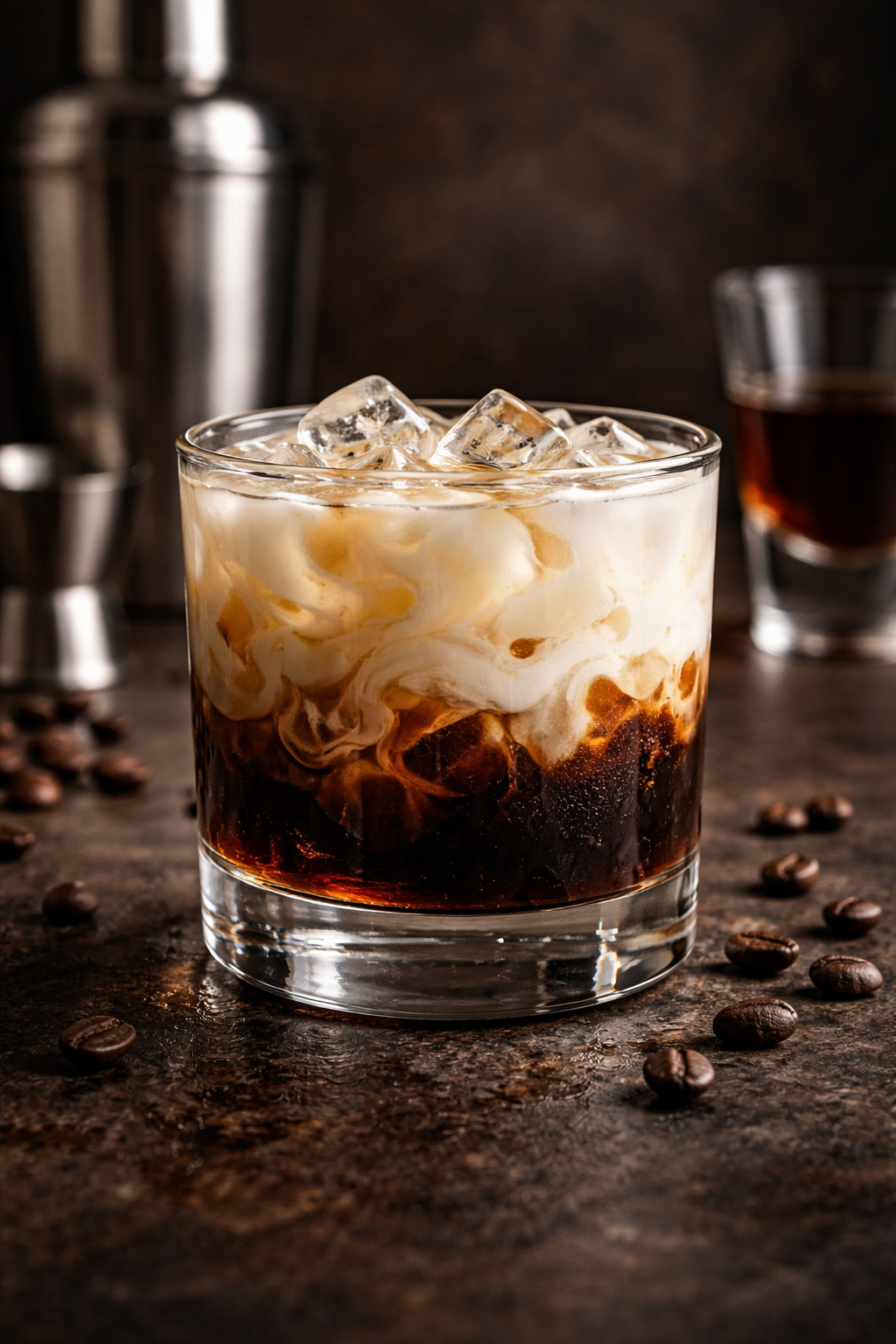
Cocktails are where coffee liqueur is truly tested. Ice, dilution, and interaction with other ingredients expose imbalance immediately.
In shaken drinks, thin liqueurs disappear. In stirred drinks, excessive sweetness dominates. Alcohol that seemed well-hidden neat can suddenly spike mid-palate. This forces bartenders to tweak recipes constantly, slowing service and reducing consistency.
Bars that operate efficiently favour ingredients that behave predictably. This philosophy extends beyond liqueur choice into ice, glassware, and technique, as discussed in How to Use Ice to Control Dilution in Cocktails on The Drink Journal.
📌 To see how coffee liqueurs are actually applied across modern drinks, explore real service builds in The Drink Journal’s recipe archive.
Coffee Drinks Are the Ultimate Reality Check
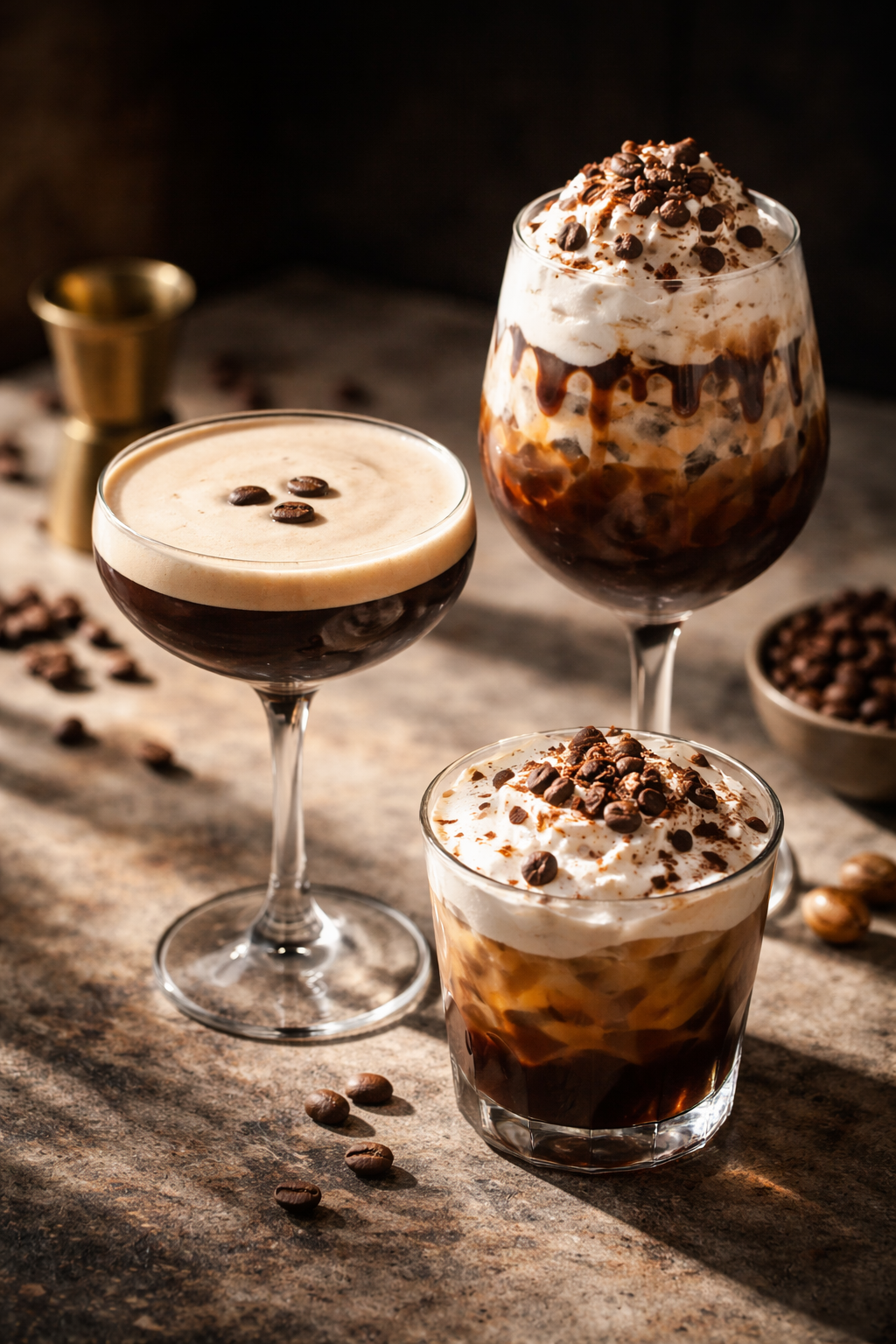
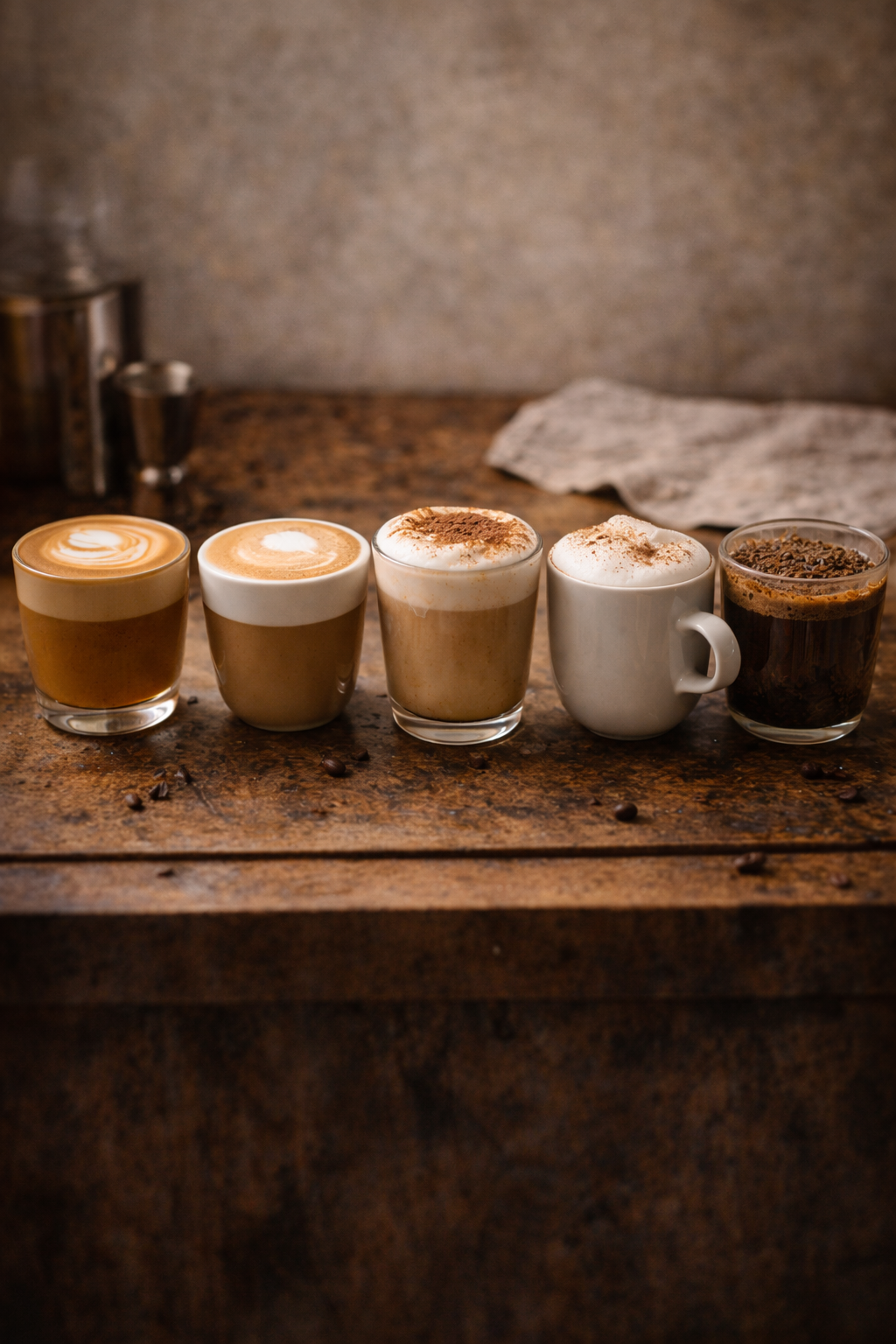
Coffee-based drinks are unforgiving. When a coffee liqueur is paired with brewed coffee, cold brew, or milk, there is nowhere for weak coffee flavour to hide.
Many liqueurs collapse into sweetness when paired with hot coffee. Others clash with bitterness. Texture issues become obvious as well. Syrupy liqueurs feel heavy. Thin ones vanish.
Bars that serve both cocktails and coffee drinks often narrow their selection quickly. They need a liqueur that reinforces coffee rather than competing with it.
This is why modern bar programs increasingly align their thinking with specialty coffee principles, as outlined in A Beginner’s Guide to Understanding Specialty Coffee: From Beans to Brewing on The Drink Journal.
Desserts Reveal Texture and Restraint
Desserts introduce sugar, fat, and cream. These elements magnify flaws. Overly sweet liqueurs become cloying. Bitter ones turn sharp. Alcohol heat becomes more noticeable.
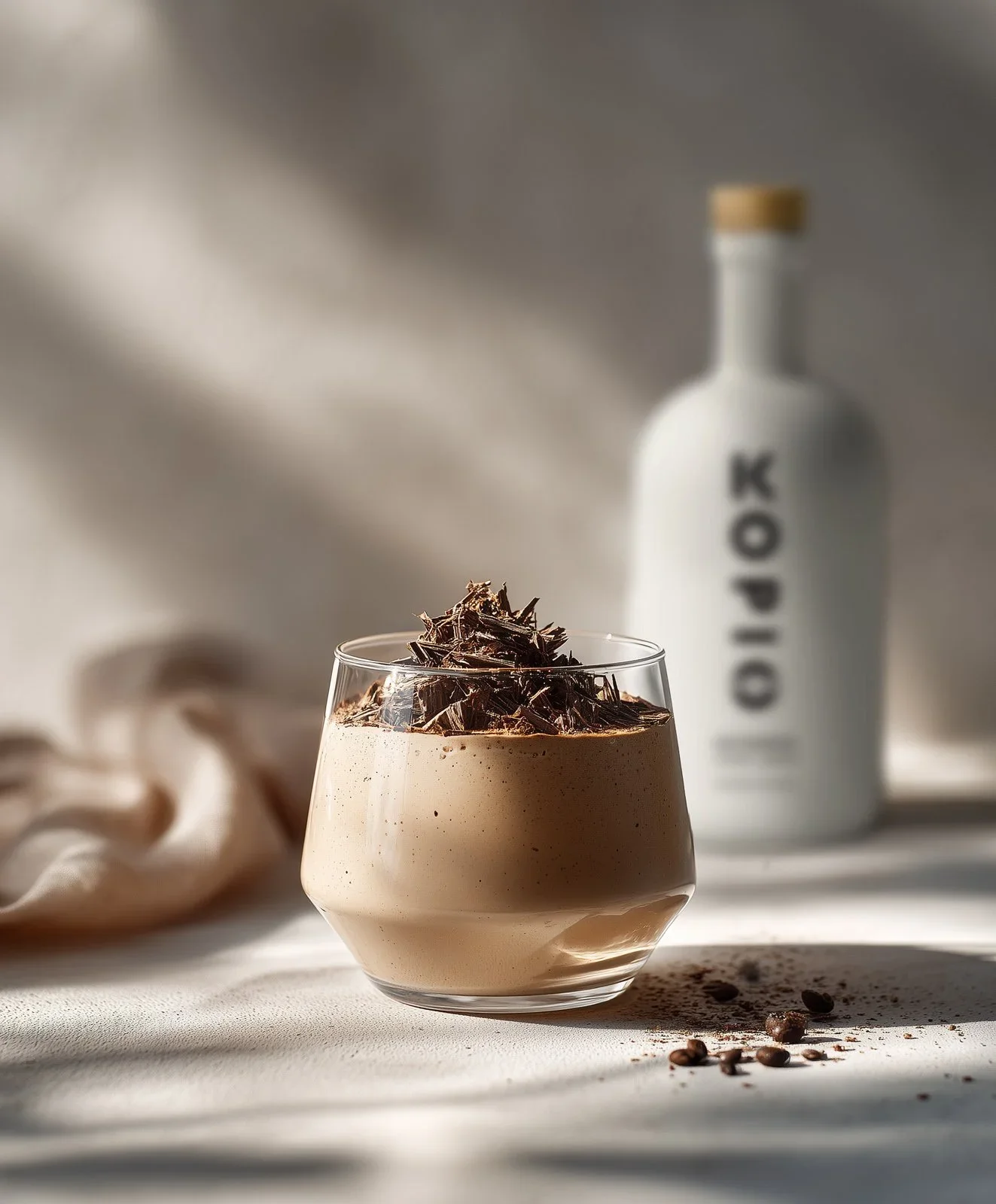
A practical coffee liqueur should enhance dessert rather than dominate it. Coffee flavour should deepen chocolate, balance cream, or complement pastry without overwhelming the dish.
Bars that integrate desserts into their programs often choose coffee liqueurs with smoother mouthfeel and controlled sweetness, making them easier to use across both bar and kitchen.
Pairing considerations like these are part of a broader approach to flavour integration, discussed in How to Pair Cocktails With Food: A Modern Guide on The Drink Journal.
Why Kopi-O Works in Day-to-Day Bar Use
Kopi-O performs well from a practical standpoint because it behaves consistently across formats. When tasted neat, the coffee flavour is clear and stable, supported by a smooth mouthfeel and integrated alcohol warmth.
In cocktails, Kopi-O holds its structure. Dilution does not erase the coffee, and sweetness remains controlled. This reduces the need for constant recipe adjustments, which is invaluable during busy service.
In coffee drinks, Kopi-O reinforces brewed coffee rather than competing with it. In desserts, it enhances flavour without overwhelming sweetness or cream. This versatility allows bars to rely on one bottle across multiple sections of a menu.
This reliability explains why hotel bars and contemporary cocktail programs increasingly adopt Kopi-O as a core ingredient rather than a niche option.
You can explore Kopi-O directly at Origin Crafted’s Kopi-O page, learn more about the philosophy behind its development at Studio Origin, or view availability for bars and partners through Origin Crafted Trade & Retail.
A Bar Perspective Changes the Conversation
When coffee liqueurs are reviewed from a bar perspective rather than a branding one, priorities shift. Performance matters more than familiarity. Consistency outweighs novelty.
Coffee liqueur that earns repeated use is not the loudest or sweetest. It is the one that integrates seamlessly into real service, day after day.
📌 At The Drink Journal, we continue to review drinks and ingredients through the lens of how bars actually work, focusing on practicality, balance, and long-term use rather than surface appeal.