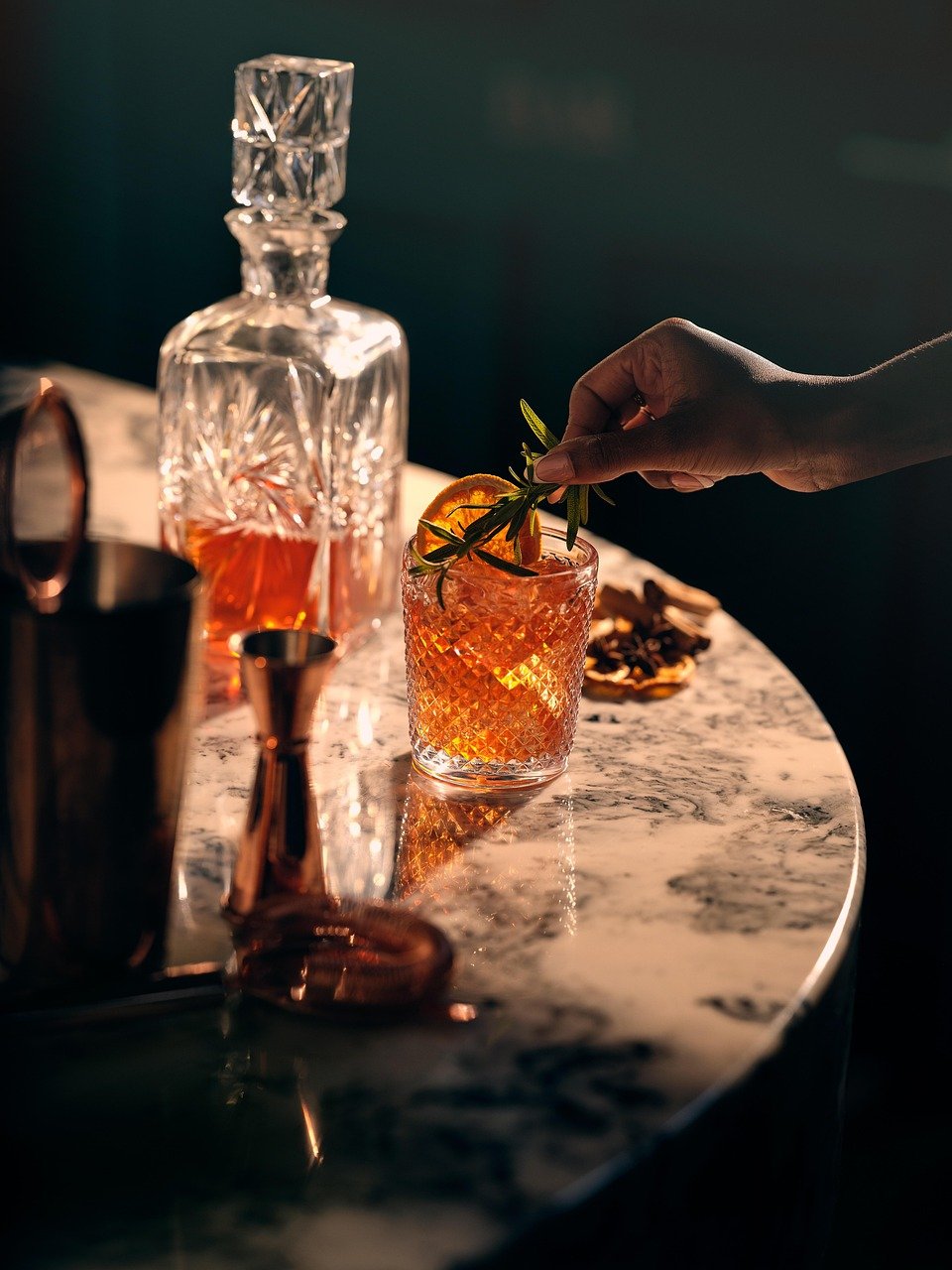
The Rum Old Fashioned feels familiar at first glance, then quietly reveals a different temperament. Where whiskey brings weight and dryness, rum offers warmth, softness, and a wider emotional range. This is not a sweeter Old Fashioned. It is a broader one, shaped by sun, cane, and time.
Across the Caribbean, rum has always been more than a spirit. It carries geography, climate, and colonial history in its aroma. When placed into the Old Fashioned structure, that heritage comes forward gently. The sugar feels rounder. The bitters feel more aromatic. The spirit itself speaks with notes of vanilla, dried fruit, spice, or grass, depending on style.
In structure, the Rum Old Fashioned stays true to the original template laid down by the Old Fashioned. Spirit, sugar, bitters. Nothing more is needed. Yet the result feels closer in mood to drinks like the Sazerac or even the restrained elegance of a Vieux Carré, where complexity comes from nuance rather than volume.
Unlike brighter rum cocktails such as the Daiquiri or tropical builds, the Rum Old Fashioned slows everything down. It invites contemplation. It is a drink for late evenings, dim rooms, and unhurried conversations.
Ingredients
2 oz aged rum (60 ml)
0.25 oz simple syrup or rich cane syrup (7.5 ml)
2 dashes aromatic bitters
Orange peel
Equipment Needed
Mixing glass
Jigger
Bar spoon
Strainer
Rocks glass
Ice
Method
Add the rum, syrup, and bitters to a mixing glass with ice.
Stir gently until well chilled and properly diluted.
Strain over a large ice cube in a rocks glass.
Express the orange peel over the glass and discard or rest it on the rim.
Notes
Aged rum works best here. Look for depth rather than sweetness.
Cane syrup enhances roundness, but simple syrup keeps the drink cleaner.
Avoid over stirring. Rum opens quickly and loses definition if over diluted.
The Rum Old Fashioned sits comfortably among modern classics that respect tradition without freezing it in time. If you enjoy cocktails that reinterpret structure rather than reinvent it, 20 Must-Try Modern Classics offers useful context. For those paying attention to presentation, the art of garnishing explains why a single citrus peel is often enough.
To continue exploring timeless builds shaped by place and culture, visit The Drink Journal or learn more about our editorial philosophy on our About page.