

Coffee liqueur has long occupied an awkward position on the bar shelf. Loved by guests, relied upon by bartenders, yet often compromised by excessive sweetness or one dimensional flavour. As bars become more selective about what they pour, expectations around coffee liqueur quality have shifted. The category is being re-evaluated through the same lens applied to spirits, vermouths, and fortified wines.
Kopi-O arrives at precisely this moment.
Rather than competing on intensity or indulgence, it presents a more measured idea of quality. One that prioritises clarity, balance, and repeatability. In doing so, it quietly sets a new standard for what a modern coffee liqueur should be.
Quality defined by restraint
True quality is often revealed by what is left out. In Kopi-O, sweetness is controlled rather than amplified. Coffee flavour is clear rather than obscured. The result feels intentional from the first sip.
On the nose, coffee leads immediately. There is no artificial lift, no dessert driven aroma. On the palate, bitterness and sweetness exist in proportion, allowing the flavour to unfold without fatigue. The finish is clean enough to invite another sip rather than close the conversation.
This approach mirrors the way contemporary bars think about quality. The most respected venues focus on structure and balance rather than spectacle. Features like Vesper Bangkok capture this shift well, showing how restraint has become a marker of confidence rather than limitation.
Why bars now expect more from coffee liqueur
Modern bar programs no longer tolerate single use ingredients. A coffee liqueur must earn its shelf space by working across cocktails, coffee serves, and often desserts. It must integrate cleanly and behave predictably.
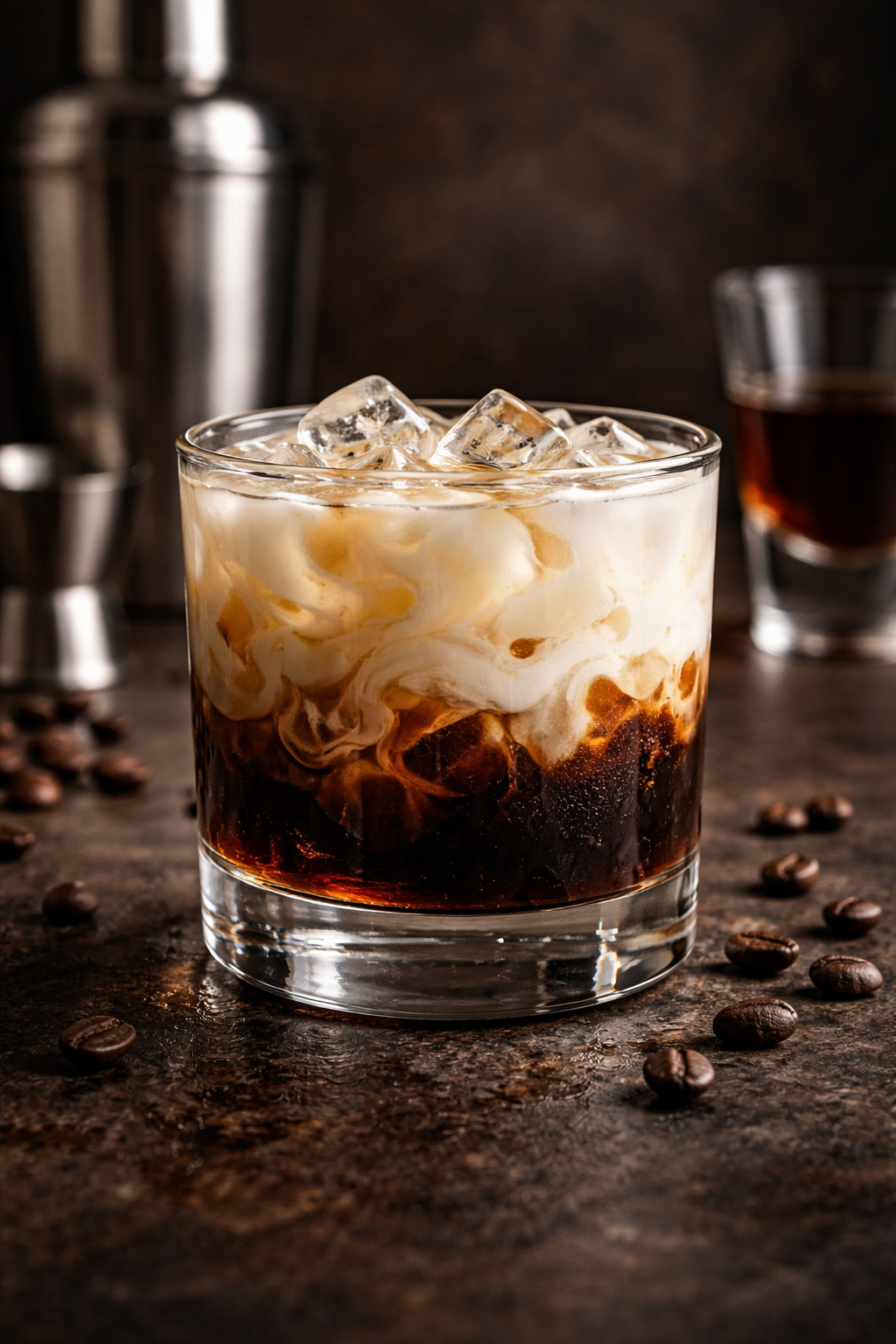
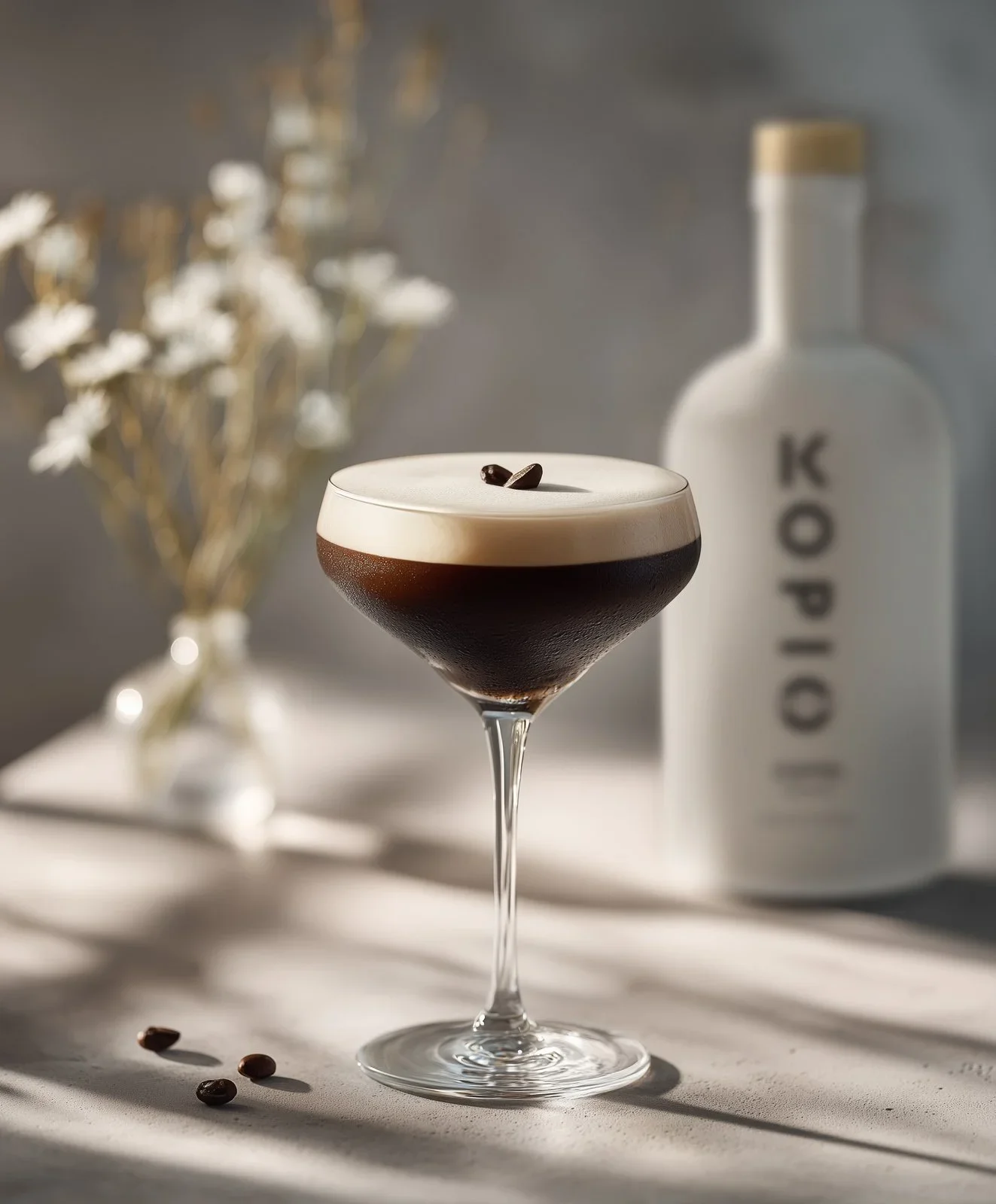
Kopi-O meets these expectations with ease. In coffee forward cocktails, it adds depth without dragging the drink into sweetness. In lighter builds, it provides aroma and structure without weight. When used neat or over ice, it holds its shape as a composed after dinner option rather than a sugary digestif.
This versatility explains why Kopi-O feels at home in café bar hybrids like The Fitz Café & Rooftop Bar in Melbourne, where coffee culture and cocktail discipline intersect daily.
If you enjoy seeing how bars redefine standards quietly rather than loudly, exploring the venue stories on The Drink Journal offers valuable insight into how these shifts take hold.
Raising the baseline rather than chasing extremes
Many products attempt to stand out by exaggeration. Stronger flavour. Sweeter profiles. Louder branding. Kopi-O takes the opposite path. It raises the baseline.
By delivering a coffee liqueur that behaves well across repeated use, it encourages bars to treat coffee liqueur as a serious ingredient rather than a guilty pleasure. This is a meaningful change. It signals a move away from novelty toward longevity.
From a quality perspective, this matters more than any single tasting note. Ingredients that last on menus do so because they remain useful and relevant over time.
A standard shaped by real coffee culture
Kopi-O’s approach to quality is grounded in how people actually drink coffee. In Singapore, coffee is everyday and familiar. Expectations are shaped by repetition rather than rarity.
That grounding shows in the flavour. Kopi-O tastes recognisable without being literal. It feels modern without being detached from its roots. This balance gives it credibility with both professionals and guests.
Behind the product, Origin Crafted reinforces this thinking through its creative direction at Studio Origin. The emphasis on refinement over maximalism is visible not only in flavour, but in how the spirit is positioned.
For bars and hospitality groups evaluating it as part of their programs, accessibility matters as much as philosophy. Origin Crafted’s trade and retail platform positions Kopi-O clearly as a working ingredient for professionals rather than a limited curiosity.
Quality that holds up under use
The true test of quality is not a single tasting. It is how a product performs after the tenth pour, the fiftieth cocktail, the third menu change. Kopi-O holds its balance under those conditions.
Bartenders do not need to adjust recipes to compensate for excess sweetness. Chefs can use it in desserts without overpowering other elements. Guests encounter a flavour that feels consistent and considered each time.
In a crowded category, that reliability is rare. It is also exactly what defines a new standard.
Setting the bar quietly higher
Kopi-O does not claim to reinvent coffee liqueur. Instead, it refines the category by focusing on balance, behaviour, and long term relevance. That refinement is what elevates it from an option to a reference point.
As bars continue to demand more from their ingredients, coffee liqueur will be judged by stricter criteria. Kopi-O meets those criteria without compromise.
To explore how Kopi-O embodies this new standard for coffee liqueur quality, visit Kopi-O here, then continue following how modern bars define excellence through the in depth stories on The Drink Journal.