How Coffee Liqueurs Compare When Served Neat, Mixed, and With Desserts
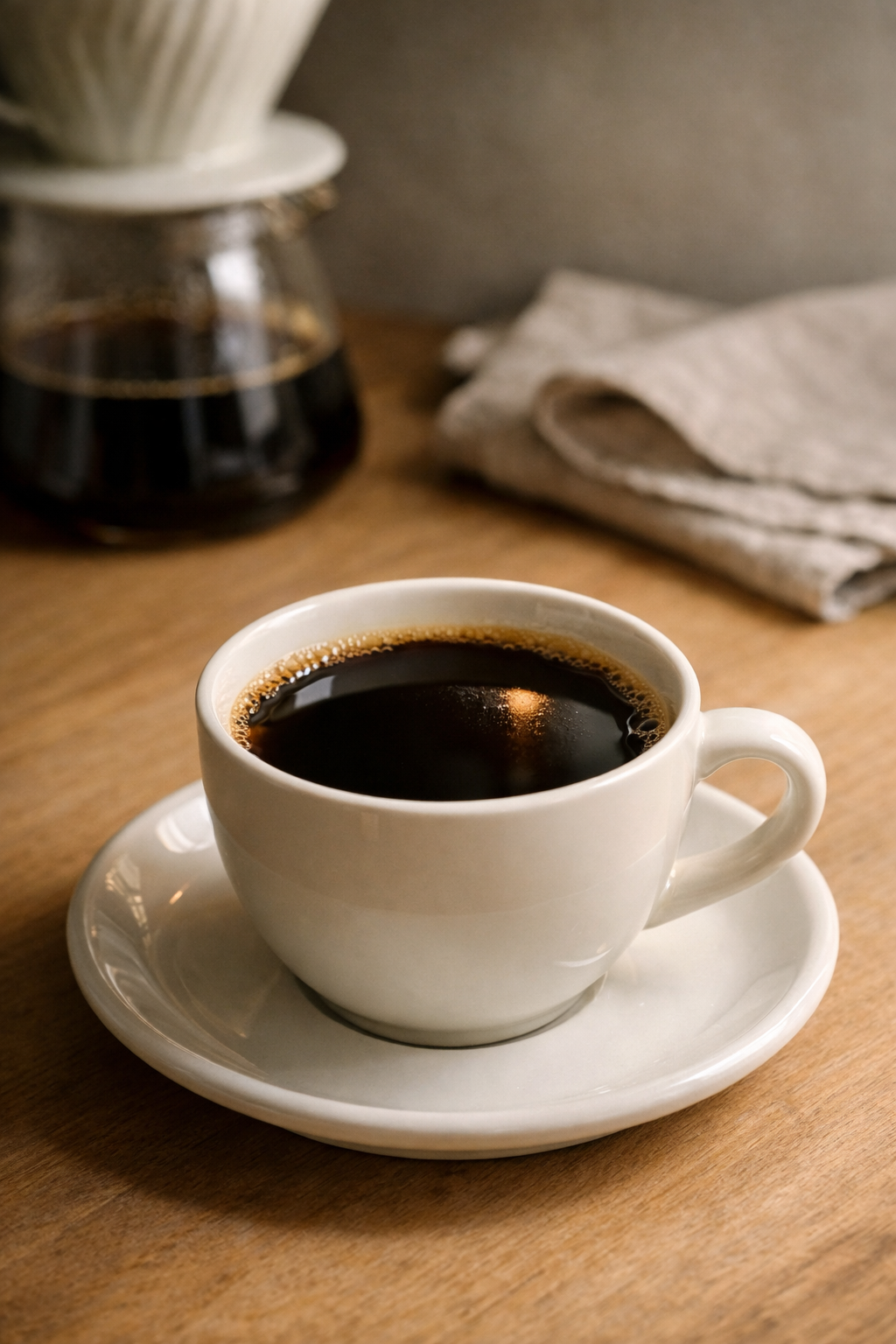
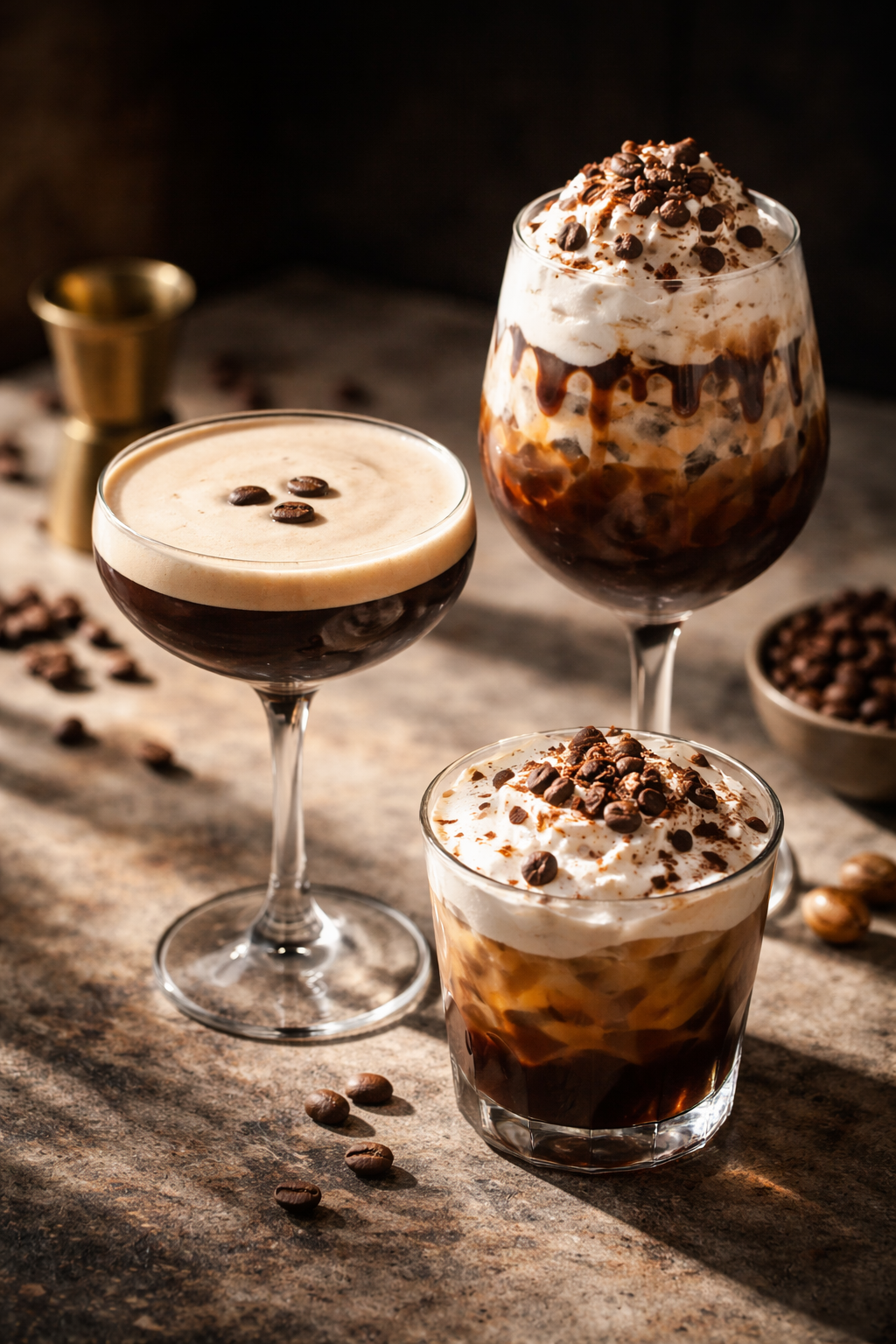
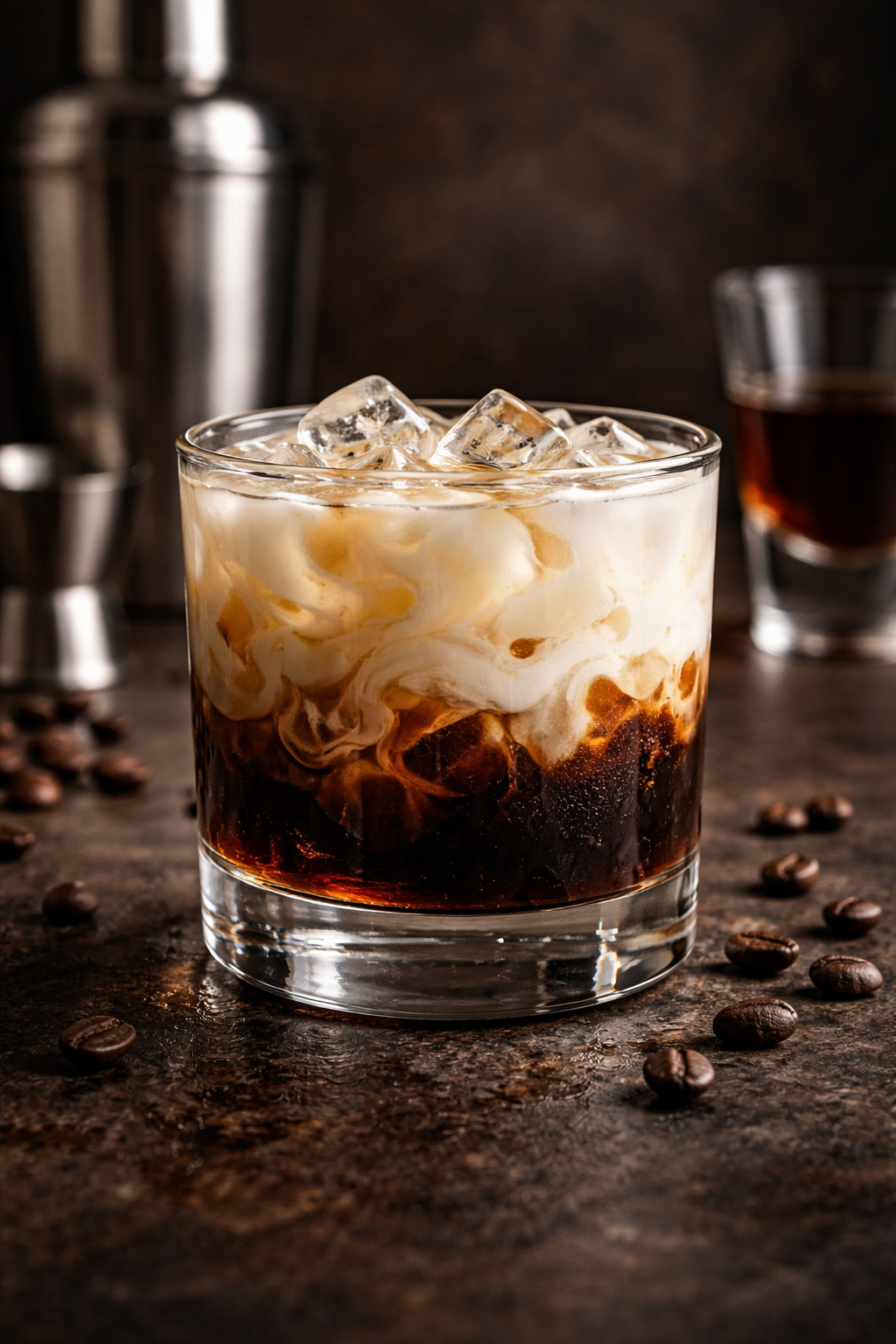
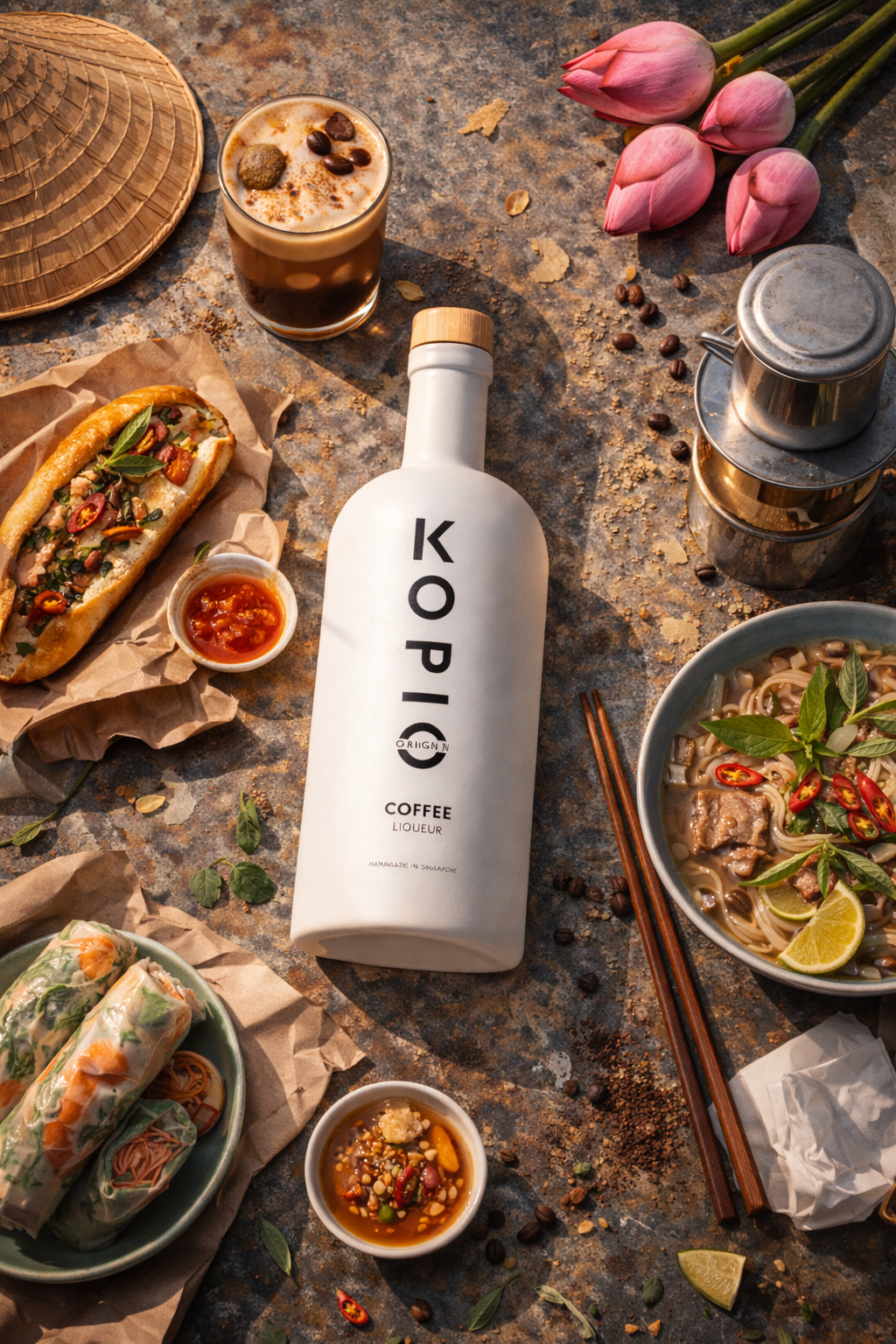
Coffee liqueur rarely lives in just one role. In modern bars, it is tasted neat during selection, mixed into cocktails during service, and paired with desserts as part of a broader flavour experience. Each of these contexts reveals different strengths and weaknesses, and not every coffee liqueur performs equally well across all three.
When evaluated properly, coffee liqueur should not only taste pleasant in isolation. It should remain coherent when diluted, integrated when mixed, and supportive when paired with sweetness or dairy. Looking at coffee liqueurs through these three lenses offers a more realistic picture of their true quality.
When Coffee Liqueurs Are Served Neat
Tasting coffee liqueur neat is often the first point of contact, especially for bartenders deciding whether a bottle belongs on the shelf. This is where aroma, alcohol integration, and texture are immediately exposed.
Many coffee liqueurs lean heavily on sweetness when tasted neat. This can feel approachable but often masks thin coffee flavour or abrupt alcohol heat. Others push bitterness forward, creating intensity that may impress at first sip but fatigue the palate quickly.
A well-constructed coffee liqueur feels composed when served neat. Coffee should be clear, alcohol warmth should be integrated, and the finish should invite another taste rather than end the experience abruptly.
This way of evaluating flavour clarity mirrors how coffee itself is assessed, as explored in The Perfect Espresso: Italy on The Drink Journal.
How Coffee Liqueurs Behave When Mixed
Once a coffee liqueur is mixed into cocktails, its structure is tested. Ice, dilution, and additional ingredients quickly expose imbalance.
Sweeter liqueurs often dominate shaken drinks and flatten complexity. Bitter-forward options may become harsh once diluted. Thin liqueurs can disappear entirely, leaving only sugar or alcohol behind.
Bars quickly learn which coffee liqueurs require constant correction and which behave predictably. Predictability matters because it allows bartenders to focus on craft rather than compensation.
Understanding how ingredients respond to dilution and structure is part of modern cocktail thinking, similar to the principles outlined in How to Use Ice to Control Dilution in Cocktails on The Drink Journal.
📌 If you want to see how coffee liqueurs are actually built into drinks, explore real-world applications in The Drink Journal’s recipe archive.
Coffee Liqueurs in Dessert Pairings
Desserts present a different challenge. Sugar, cream, and fat can easily overwhelm a coffee liqueur or push it into cloying territory. Syrupy textures may feel heavy, while lighter ones can vanish entirely.
The best coffee liqueurs enhance dessert rather than dominate it. Coffee flavour should deepen chocolate, balance cream, or add structure to pastry without turning the dish overly sweet or alcoholic.
This is why many bars and hotel lounges treat coffee liqueur as both a beverage and culinary ingredient. Its role is to support the overall experience rather than demand attention.
Thoughtful pairing principles like these are part of a wider approach to drinks and food integration, as discussed in How to Pair Cocktails With Food: A Modern Guide on The Drink Journal.
How Kopi-O Performs Across All Three
Kopi-O distinguishes itself by remaining consistent across neat pours, cocktails, and desserts. When tasted neat, the coffee flavour is immediately clear, supported by a smooth mouthfeel and integrated alcohol warmth. There is no sharp spike or sudden drop-off.
When mixed, Kopi-O holds its shape. Dilution does not erase the coffee character, and sweetness remains controlled. This makes it easy for bartenders to use across multiple cocktail styles without constant adjustment.
In desserts, Kopi-O enhances rather than overwhelms. Coffee remains present alongside cream, chocolate, or pastry, reinforcing flavour instead of competing with it. This versatility explains why it transitions so comfortably between bar and kitchen environments.
Kopi-O’s ability to perform consistently reflects an understanding of how coffee liqueur is actually used, not just how it is marketed.
You can explore Kopi-O directly at Origin Crafted’s Kopi-O page, learn about the philosophy behind its development at Studio Origin, or view availability for bars and partners through Origin Crafted Trade & Retail.
Why Versatility Is the New Benchmark
As bars become more intentional, ingredients that only perform in one context are quietly phased out. Coffee liqueur is no exception. The bottles that remain are those that behave well under multiple conditions.
Evaluating coffee liqueurs when served neat, mixed, and paired with desserts offers a more honest assessment of quality. It shifts the focus away from reputation and toward real performance.
📌 At The Drink Journal, we continue to explore how drinks and ingredients function in practice, not just in theory, across bars, kitchens, and coffee culture alike.