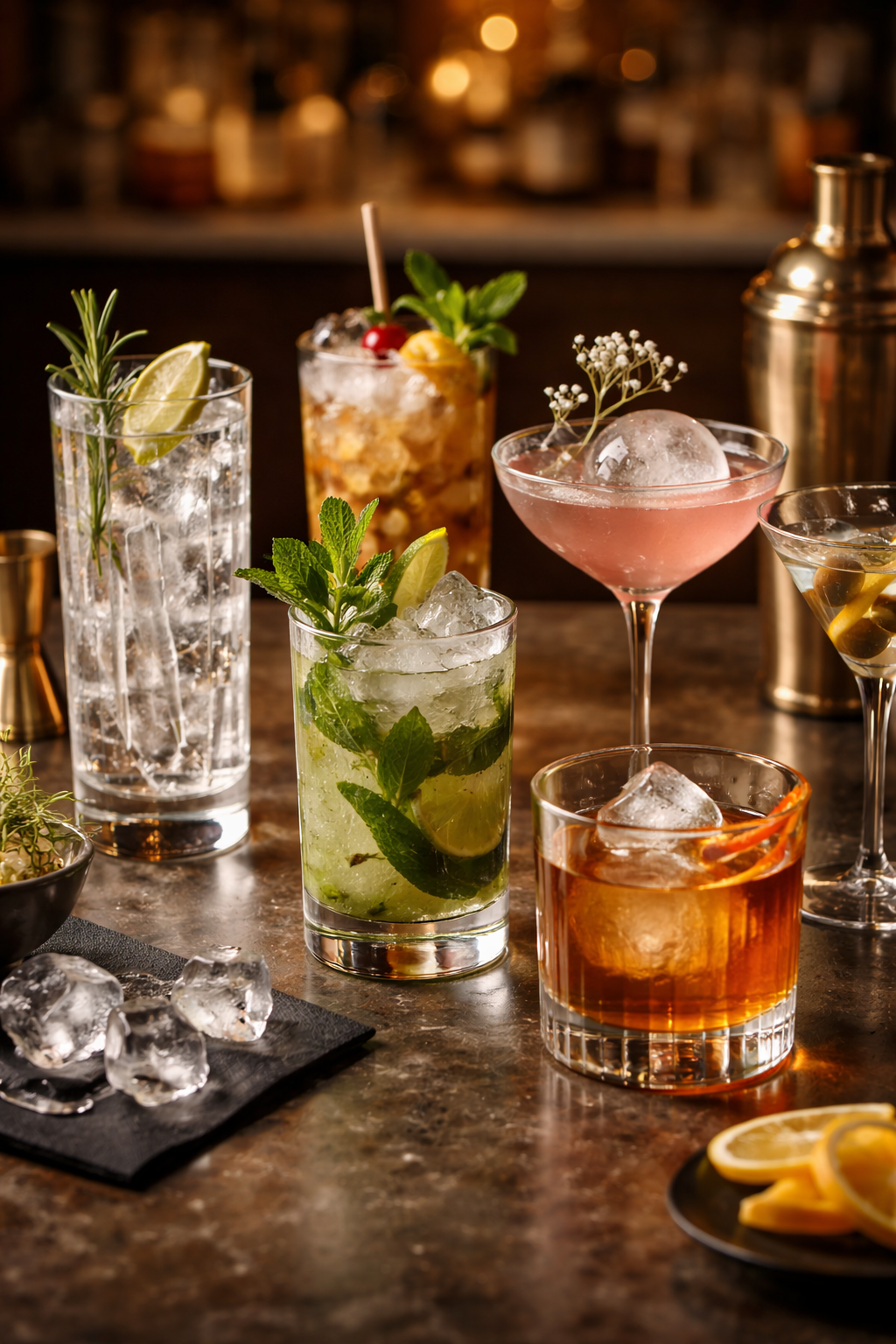
Ice is the most misunderstood ingredient in a drink.
It is often treated as a necessity rather than a choice, something added at the end rather than considered from the beginning. In reality, ice shape and size influence dilution, temperature, aroma, texture, and even how a drink feels emotionally in the hand.
These are the quiet ways ice reshapes the drinking experience, often without the drinker ever realising why.
1. Large Cubes Slow the Pace of Dilution
A single large cube melts more slowly than multiple small ones.
This slower melt preserves structure in spirit-forward drinks, allowing aroma and balance to unfold gradually rather than collapsing under excess water.
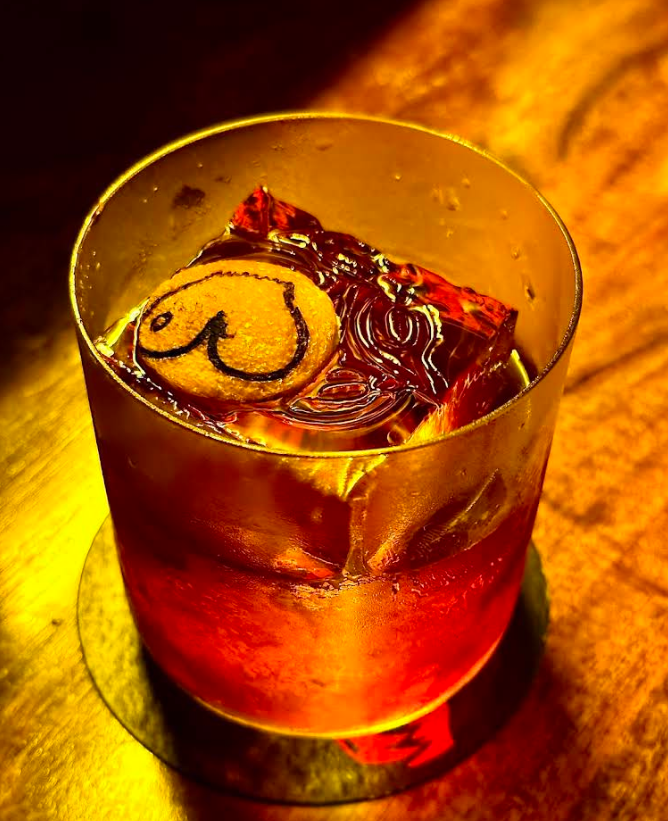
This is why drinks like the Old Fashioned feel calmer and more deliberate when served over a large cube.
Old Fashioned, United States
2. Cracked Ice Creates Immediate Softness
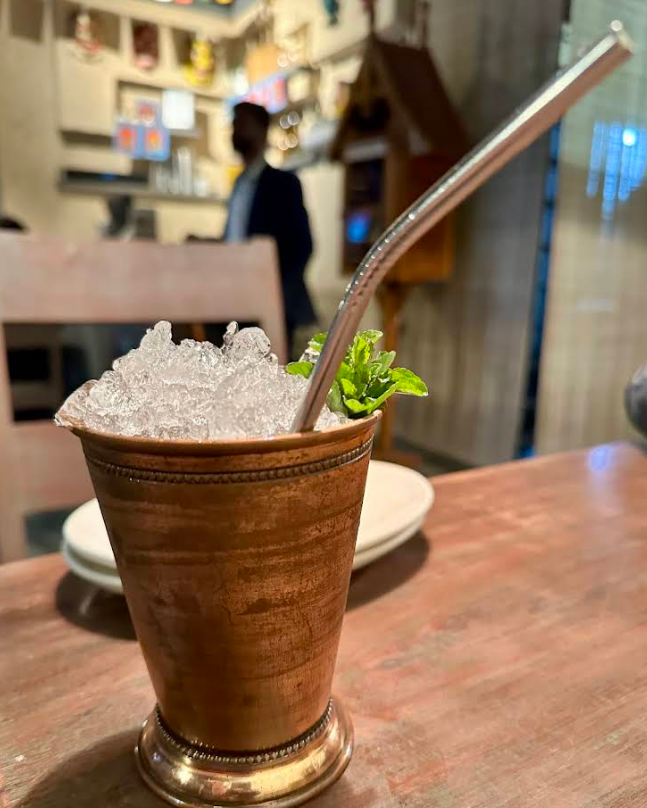
Cracked or pebble ice increases surface area dramatically.
This accelerates dilution, softening alcohol quickly and creating a drink that feels open and approachable from the first sip. The trade-off is longevity. These drinks are designed to be enjoyed promptly.
This ice style suits refreshing, fast-moving drinks rather than contemplative ones.
3. Small Cubes Encourage Faster Drinking
Multiple small cubes melt unevenly.
As they shrink and shift, dilution becomes unpredictable. Drinks served this way often change character quickly, nudging the drinker to keep pace.
This is not a flaw. It is a design choice that suits casual, social drinking.
4. Ice Shape Alters Perceived Texture
Ice does not just cool liquid. It affects mouthfeel.
Slow-melting ice maintains viscosity, while rapid dilution thins texture. The same drink can feel silky or watery depending entirely on ice choice.
This is why ice is treated as a structural element rather than a neutral one.
How to Use Ice to Control Dilution in Cocktails
5. Clear Ice Changes Aroma Delivery
Clear ice melts evenly and lacks trapped air.
This consistency reduces erratic dilution and keeps aroma stable. Drinks feel cleaner and more focused because volatile aromatics are not disrupted by sudden temperature swings.
Clear ice is not about aesthetics alone. It is about control.
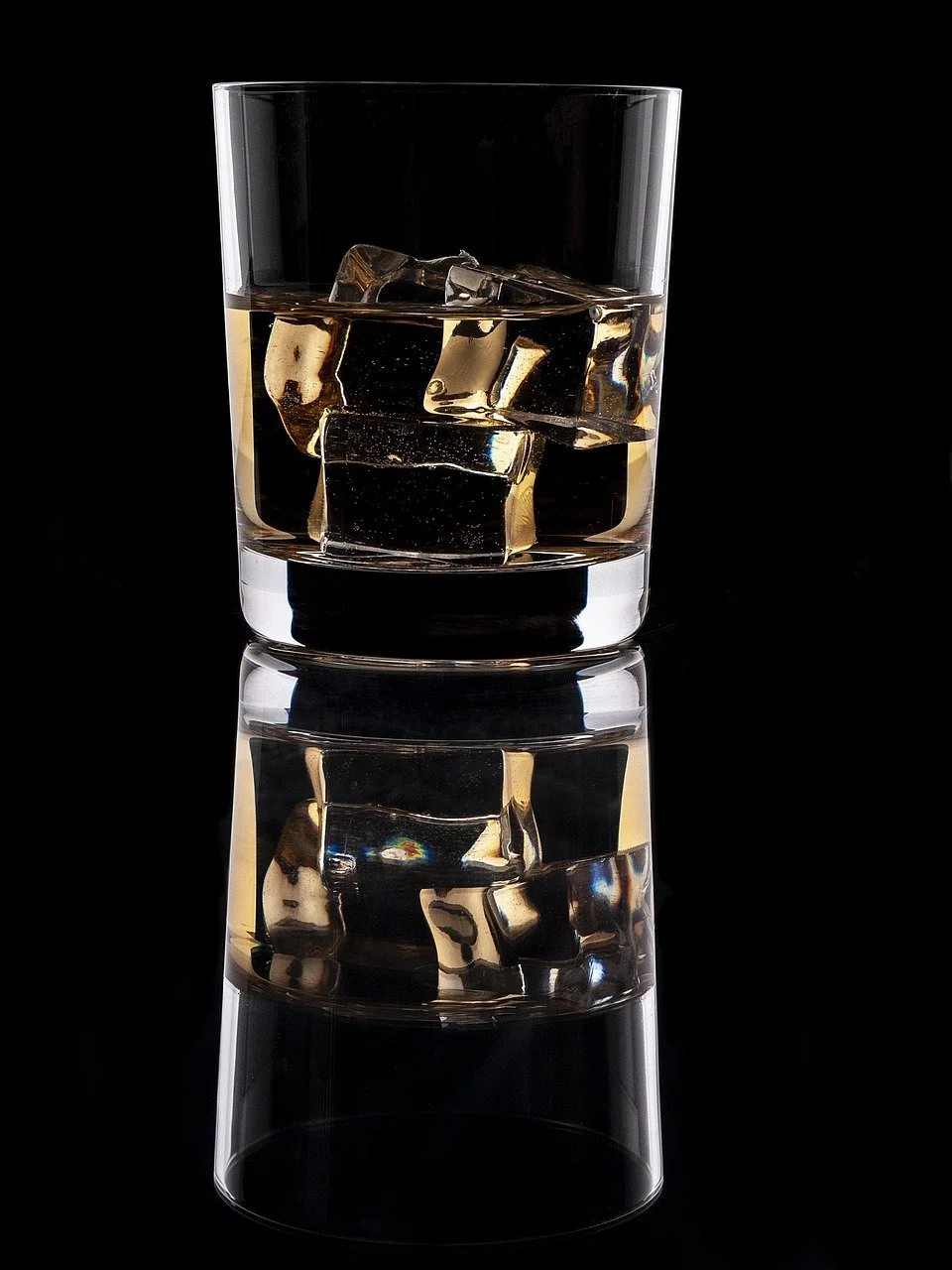
6. Ice Shape Dictates Glass Choice
Glassware and ice are inseparable.
Tall glasses support long, narrow ice for vertical cooling. Wide rocks glasses accommodate large cubes that expose more liquid to air.
This relationship is part of why glass choice matters as much as ice choice.
How to Choose the Right Glass for Any Cocktail
7. Long Ice Supports Carbonation
Highballs rely on vertical ice.
Long, dense ice sticks preserve carbonation by reducing turbulence. Bubbles rise cleanly instead of breaking prematurely, keeping the drink lively longer.
This principle is central to refined highball service.
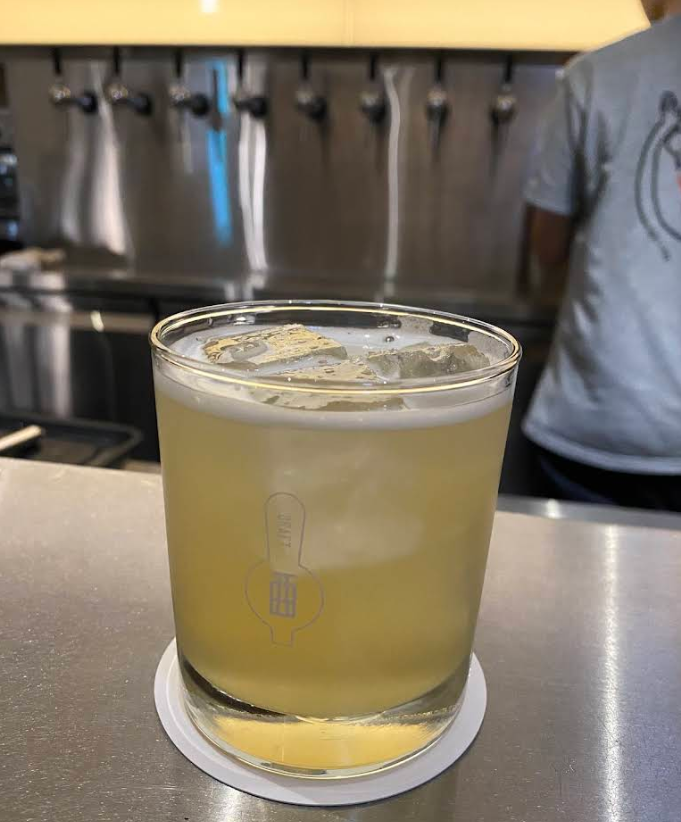
Sakura Highball
8. Shaved Ice Changes How Sweetness Is Perceived
Shaved ice melts almost immediately.
This rapid dilution spreads sweetness across the palate and suppresses bitterness. Drinks feel softer, colder, and more playful.
The experience is fleeting by design.
9. Ice Influences How Fast Aroma Opens
Temperature controls aroma release.
Fast-melting ice warms the drink sooner, releasing aromatics earlier. Slow-melting ice delays this process, making the drink feel restrained at first and expressive later.
Neither approach is better. Each suits different intentions.
10. Ice Signals Intent Before the First Sip
Ice communicates mood.
A single clear cube suggests contemplation. Crushed ice suggests refreshment. Long ice suggests precision. These signals shape expectations before tasting begins.
Bars that care about ice understand that perception begins before flavour.
This attention to detail is one of the quiet signs a bar takes craft seriously.
The Ultimate Guide to Bar Etiquette for Guests and Bartenders
Final Thought
Ice is not a finishing touch.
It is a design decision.
Once you notice how ice shape and size influence dilution, texture, and pace, drinks begin to make sense on a deeper level. What once felt arbitrary reveals intention.
The next time a drink feels just right, look at the ice.
It is probably doing more work than you think.
👉 Explore more cocktail structure, technique, and bar culture at
The Drink Journal