

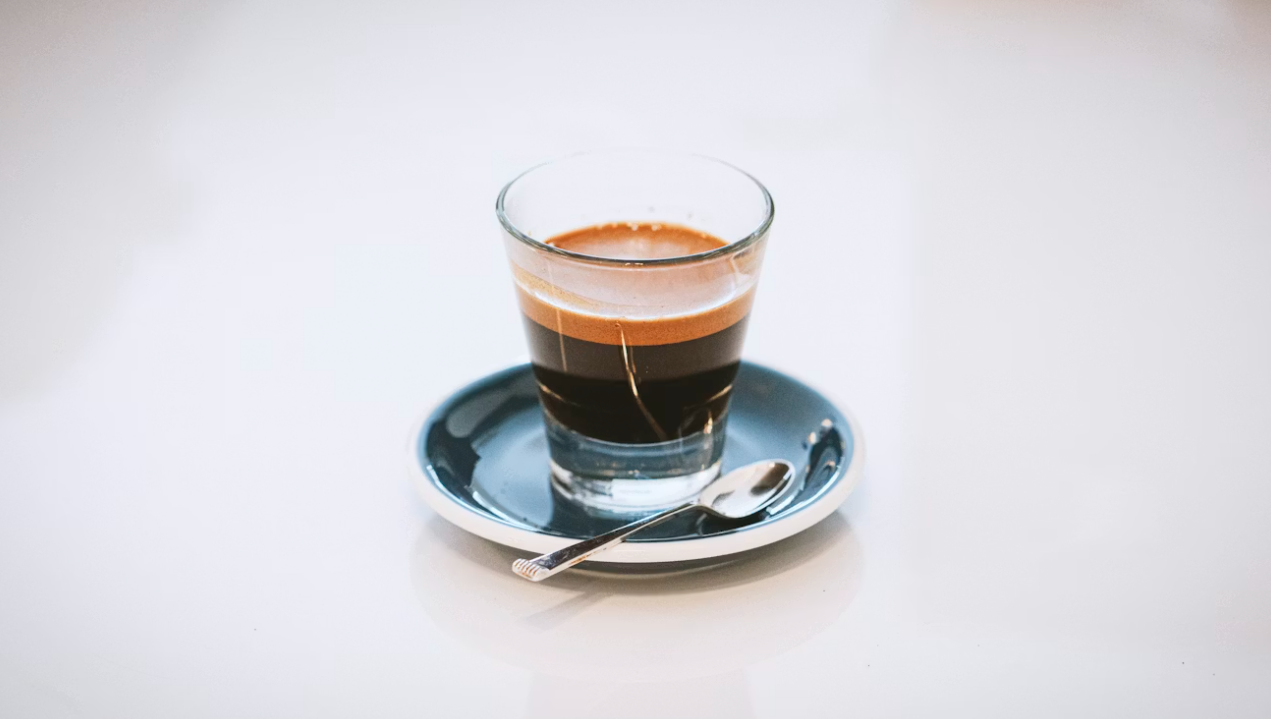
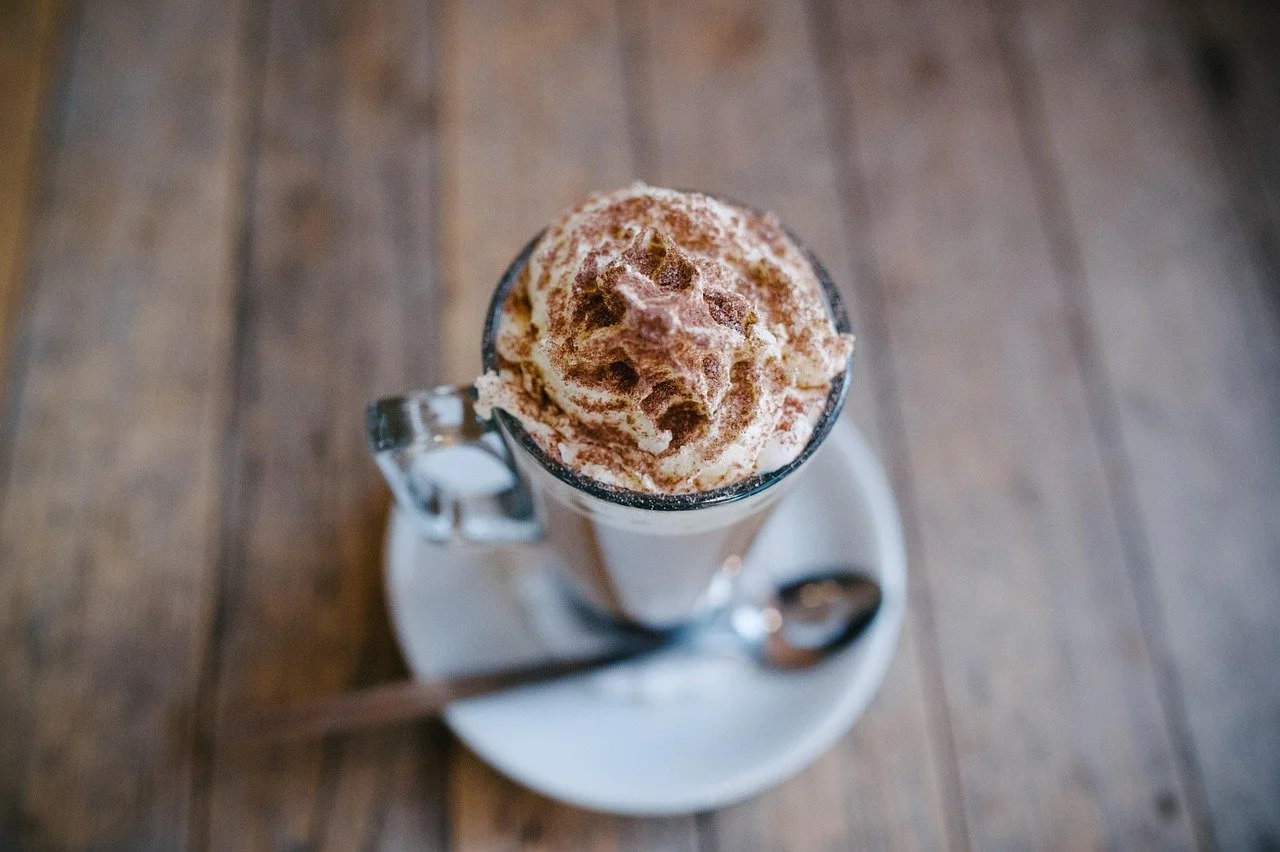
You do not need the language of tasting notes to recognise good extraction.
Most people know when a coffee feels right long before they can explain why. The cup feels complete. Nothing jumps out. Nothing feels missing. Extraction, when done well, reveals itself through balance, texture, and clarity rather than flavour descriptors.
These are the subtle signs that a coffee has been extracted properly, even if you cannot put words to it yet.
1. The Coffee Smells Alive Before You Taste It
A well-extracted coffee announces itself through aroma.
The scent rises clearly from the cup without feeling sharp or faint. It invites rather than overwhelms. If aroma feels muted or aggressively sour, extraction is likely off.
A living aroma is often the first sign the cup will be balanced.
2. The First Sip Feels Gentle, Not Aggressive
Good extraction rarely shocks the palate.
The first sip should feel composed. Acidity feels bright but not sour. Bitterness supports structure rather than dominating. Alcohol-like harshness is absent.
If the first sip makes you brace, something has gone wrong.
3. Sweetness Appears Naturally Without Sugar
Proper extraction reveals sweetness already present in the coffee.
You may not perceive it as “sweet,” but the absence of harshness allows roundness to emerge. When sweetness feels natural, the coffee feels complete without additives.
This is one of the clearest signals that grind, ratio, and time are aligned.
4. Texture Feels Cohesive Across the Palate
Well-extracted coffee has continuity.
It does not feel thin at the front and bitter at the back. Body carries flavour evenly from first sip to finish.
Texture is a structural element, not an accident.
How to Improve Coffee Texture Without Adding Milk
5. Acidity Feels Refreshing Rather Than Sharp
Acidity is lift, not punishment.
In a well-extracted cup, acidity feels clean and refreshing. It brightens flavour without making you pucker.
When acidity feels sour or metallic, extraction is usually too short or uneven.
6. The Finish Leaves You Wanting Another Sip
Finish matters.
A properly extracted coffee fades cleanly, leaving no dryness or bitterness that lingers unpleasantly. The cup invites repetition rather than relief.
This lingering clarity is one of the most reliable signs of good extraction.
7. The Coffee Improves as It Cools
Good extraction reveals layers over time.
As temperature drops, sweetness and aroma become more apparent rather than collapsing into flatness. Poorly extracted coffee often tastes worse as it cools.
If the cup becomes more interesting after a few minutes, extraction was likely successful.
8. You Do Not Feel the Need to Fix It
Well-extracted coffee needs no correction.
You do not instinctively reach for sugar, milk, or dilution. The cup feels finished as it is.
This instinctive satisfaction is a strong signal of balance.
9. The Cup Tastes Intentional, Not Random
Even without knowing the method, a good cup feels deliberate.
Flavours make sense together. Nothing feels accidental or disjointed. The coffee tastes like someone paid attention.
Consistency often reinforces this signal.
10 Coffee Practices That Quietly Improve Every Cup Without Buying Anything New
10. The Experience Matches the Method
Each brewing method has a personality.
When extraction is right, that personality is clear. Espresso feels concentrated but balanced. Immersion brews feel rounded and full. Pour-overs feel clean and expressive.
Understanding this alignment helps you recognise success across styles.
How to Choose the Right Brewing Method: Coffee Equipment Explained Simply
For a broader understanding of how extraction fits into the bigger picture of coffee quality, this guide offers useful context.
A Beginner’s Guide to Understanding Specialty Coffee: From Beans to Brewing
Final Thought
Good extraction does not demand vocabulary.
It creates clarity.
When coffee is extracted well, the cup feels calm, balanced, and complete. You may not know why it works, but you know that it does.
Learning to trust those instincts is the first step toward consistently better coffee.
👉 Explore more coffee guides, brewing insight, and thoughtful drinking at
The Drink Journal