Tea instructions are polite suggestions, not rules.
They are written to be safe and broadly acceptable, designed to avoid obvious bitterness or weakness. They are not written for your water, your cup, your timing, or your sensitivity to flavour. If you have ever followed the packet perfectly and still felt disconnected from the cup, the problem is not you.
This guide is about trusting your palate while understanding why small changes work.
Why Tea Instructions Are Only a Starting Point
Most brewing instructions assume neutral water, average leaf quality, and a general audience. They aim for consistency, not personal satisfaction. The moment your taste preferences lean toward softer, brighter, lighter, or deeper cups, those instructions can start to feel limiting.
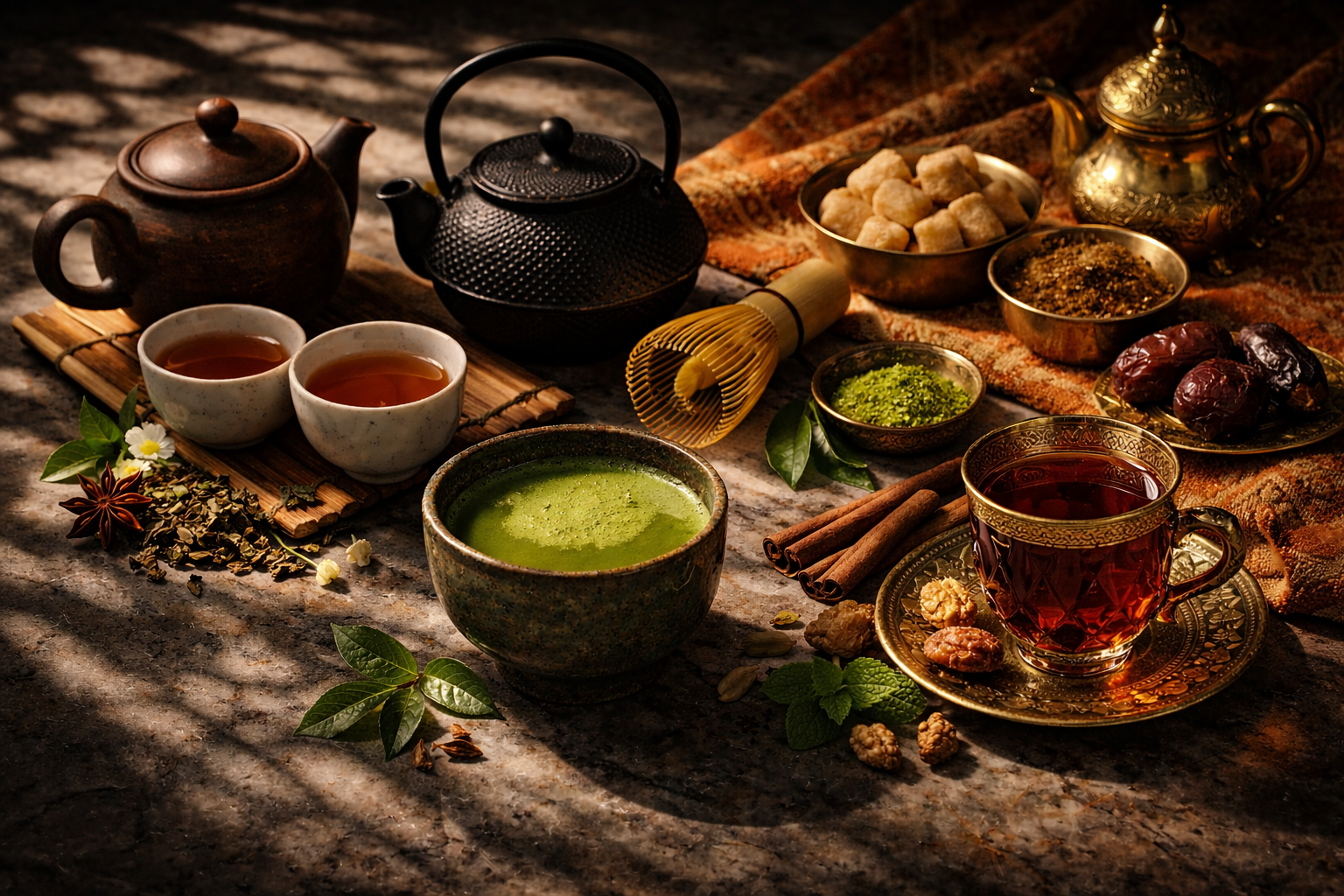
Understanding how broad the tea world really is helps put this into perspective. The Art of Asian Tea: 12 Traditional Tea Styles Every Drinker Should Know shows how dramatically different teas behave before brewing choices even come into play.
Once you see tea as a spectrum rather than a single standard, instructions stop feeling authoritative and start feeling optional.
Identify the Discomfort Before Adjusting Anything
Before changing technique, identify what you dislike.
If the tea feels bitter or drying, it is likely over-extracted. If it feels thin or fleeting, it may be under-extracted. If the aroma is beautiful but the taste falls flat, temperature or steep length is often the culprit.
The mistake most people make is changing multiple variables at once. Better tea comes from deliberate, single adjustments that allow you to learn what actually improves the cup.
Time Is the Safest Lever to Adjust
When instructions do not match your taste, steeping time is the gentlest place to start.
Shortening the steep often reduces bitterness while preserving aroma. Lengthening it slightly can add body and depth if the tea feels hollow. Changes of even 15 to 30 seconds can reshape the experience.
This is especially important for teas that release flavour gradually. Oolongs, in particular, reward shorter infusions rather than one long extraction. A tea like Dong Ding Oolong often reveals sweetness and texture only when brewed with restraint.
Temperature Shapes Character, Not Just Strength
Water temperature determines which compounds are extracted.
Lower temperatures tend to highlight fragrance and softness. Higher temperatures bring structure, bitterness, and depth. If your tea tastes harsh but smells wonderful, the water is likely too hot.
Green teas are especially sensitive here. Brewing Sencha at a gentler temperature often transforms it from sharp to smooth without losing freshness.
Temperature adjustments allow you to keep intensity while changing mood.
Leaf Quantity Is a Fine Adjustment, Not a Fix
Leaf quantity should be adjusted only after time and temperature.
More leaves increase body and saturation. Fewer leaves lighten the cup. Changing leaf quantity too early often creates imbalance rather than solving it.
Delicate floral teas demonstrate this clearly. With something like Jasmine Silver Needle, too much leaf overwhelms the cup, while a lighter hand preserves elegance and sweetness.
Quantity refines. Time and temperature correct.
Let the Tea Cool Before You Judge It
Heat hides sweetness and exaggerates bitterness.
As tea cools, flavours settle and balance becomes clearer. Many teas that feel sharp when hot soften naturally after a short pause. Judging too early can lead you to overcorrect a cup that only needed patience.
This is one of the simplest habits that dramatically improves tea appreciation.
Build Your Own Brewing Reference
The goal is not to ignore instructions, but to personalise them.
Once you find a version of a tea you enjoy, remember what you changed. Cooler water. Shorter steep. A second infusion instead of one long one. Over time, you stop needing instructions at all.
Choosing the right vessel also plays a role in how tea behaves. How to Choose the Right Teaware for Different Types of Tea helps explain why the same leaves can taste different in different cups.
When Taste Leads, Tea Becomes a Ritual
Brewing tea is not about obedience. It is about attention.
Instructions give you a doorway. Taste tells you where to go next. When you trust your palate, tea becomes less about correctness and more about comfort, curiosity, and rhythm.
The best cup is not the one brewed “right.”
It is the one that makes you want another.