How to Choose a Cocktail Based on Mood, Not Just Ingredients
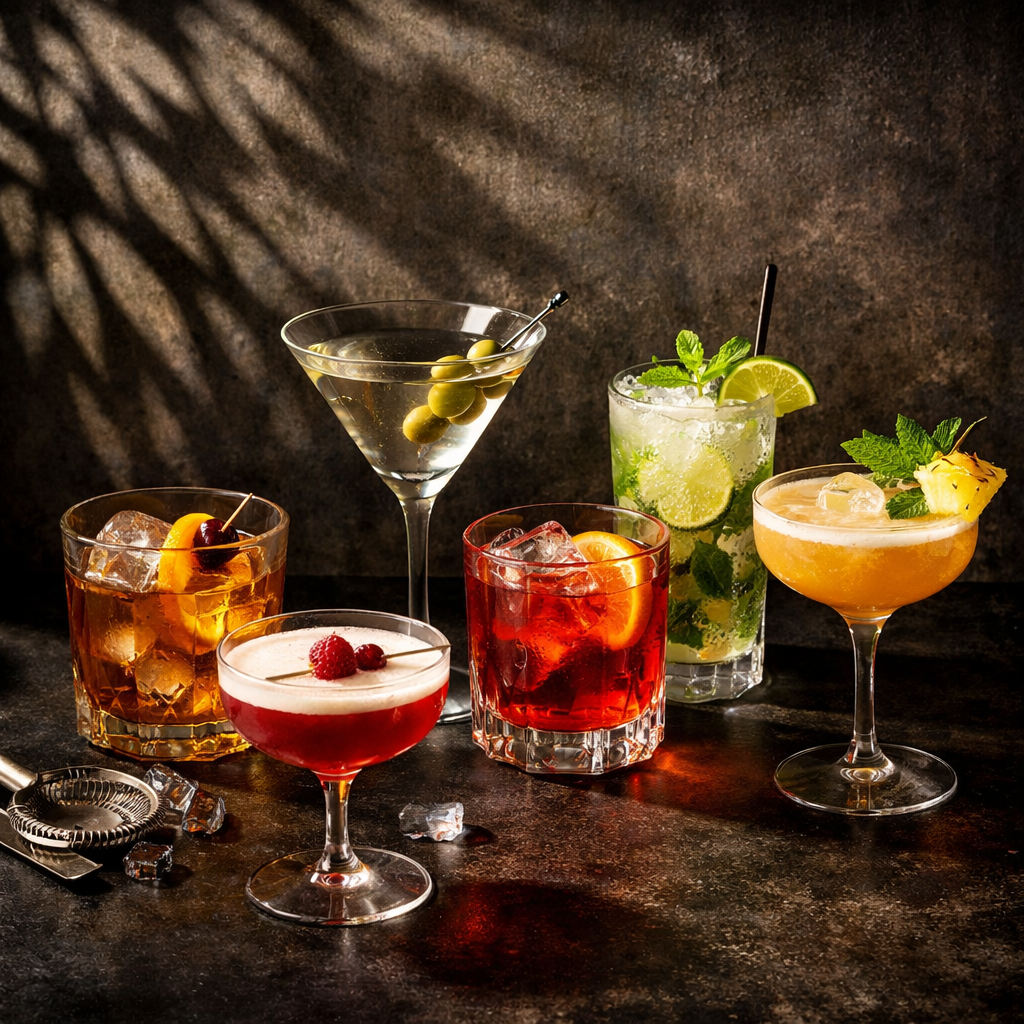
Most people choose cocktails the same way they read recipes. They scan the ingredients, latch onto one familiar word, and hope the drink behaves the way they expect. Gin sounds refreshing. Whiskey sounds strong. Vermouth sounds confusing.
But cocktails were never designed to be chosen that way.
They were designed to match mood. Pace. Temperature. Light. Energy. Whether you want to talk, think, celebrate, or disappear quietly into your glass.
Once you start choosing cocktails by how you want to feel, not what’s inside them, menus become easier to read and drinks become far more satisfying.
If you’re new to cocktail culture and want a gentle foundation before diving deeper, 20 Must-Try Modern Classics offers a useful overview of how contemporary drinks are structured emotionally as well as technically.
Why Ingredients Are a Poor Shortcut
Ingredients tell you what a drink contains. They do not tell you how the drink behaves.
Two cocktails can share nearly identical ingredients and feel completely different in the glass. Dilution, balance, temperature, texture, and aroma matter just as much as the base spirit.
That’s why someone can love gin in one drink and dislike it in another. The spirit didn’t change. The mood did.
Instead of asking “What’s in this?”, ask “What kind of moment is this drink meant for?”
Light, Social, and Easygoing Moods
If you’re arriving somewhere bright, relaxed, or conversational, you want a cocktail that stays out of the way.
Look for drinks that are light in body, gently aromatic, and refreshing. These drinks tend to be built for movement and conversation rather than contemplation.
Spritz-style cocktails are a classic example. Drinks like the Aperol Spritz or Campari Spritz work not because of their ingredients, but because of how they feel. They’re cool, lightly bitter, and forgiving over time.
They suit warm afternoons, early evenings, and social settings where you don’t want the drink to dominate your attention.
Calm, Reflective, or Intimate Moods
When the room is quieter, lighting is lower, and conversation slows, cocktails often become more inward-facing.
This is where spirit-forward drinks shine. Not because they are strong, but because they unfold slowly. These drinks reward attention without demanding urgency.
The Manhattan is a classic example. It isn’t aggressive. It’s structured, measured, and composed. It suits evenings where you want to sit, listen, and let the drink evolve as it warms and dilutes.
If you want something equally calm but slightly softer around the edges, the Boulevardier offers richness without sharpness, making it ideal for slower pacing and deeper conversations.
Celebratory, Upbeat, or Transitional Moments
Some moods are not quiet, but they’re not heavy either. Think arrivals, reunions, and moments that mark a transition rather than a destination.
These drinks often sit between refreshing and structured. They feel festive without being chaotic.
The French 75 works here not because it contains champagne, but because it moves. It’s bright, lifted, and slightly effervescent, making it ideal for moments where energy is rising.
These drinks are excellent for toasts, beginnings, and evenings that are still finding their shape.
Bold, Assertive, or Grounded Moods
Sometimes you want a drink that anchors you.
These are moments when you’re tired, overstimulated, or simply craving something that feels solid and decisive. In these cases, clarity and structure matter more than refreshment.
The Old Fashioned is a perfect example. It doesn’t distract. It grounds. It suits late nights, quiet confidence, and moments when you want the drink to feel deliberate.
These cocktails are best chosen when you know you want to slow down and stay put.
When You’re Unsure, Let the Bar Guide You
If you’re unsure what mood you’re in, or the menu feels overwhelming, the smartest move is not to guess ingredients. It’s to describe the feeling you’re after.
Bartenders respond better to moods than to vague preferences. Saying “something refreshing but not sweet” or “something calm and spirit-forward” gives them far more to work with than naming a spirit you half-remember liking.
Understanding this dynamic is part of good bar culture, and it’s explored more fully in The Ultimate Guide to Bar Etiquette for Guests and Bartenders.
Mood First, Ingredients Second
Once you start choosing cocktails by mood, ingredients become secondary details rather than decision points.
You stop asking “Do I like gin?” and start asking “Do I want something bright or grounding?” You stop scanning menus anxiously and start reading them as emotional maps.
Cocktails were always meant to serve the moment. When you let mood lead, the right drink usually follows.