
Oolong vs Green Tea: What Is the Difference?
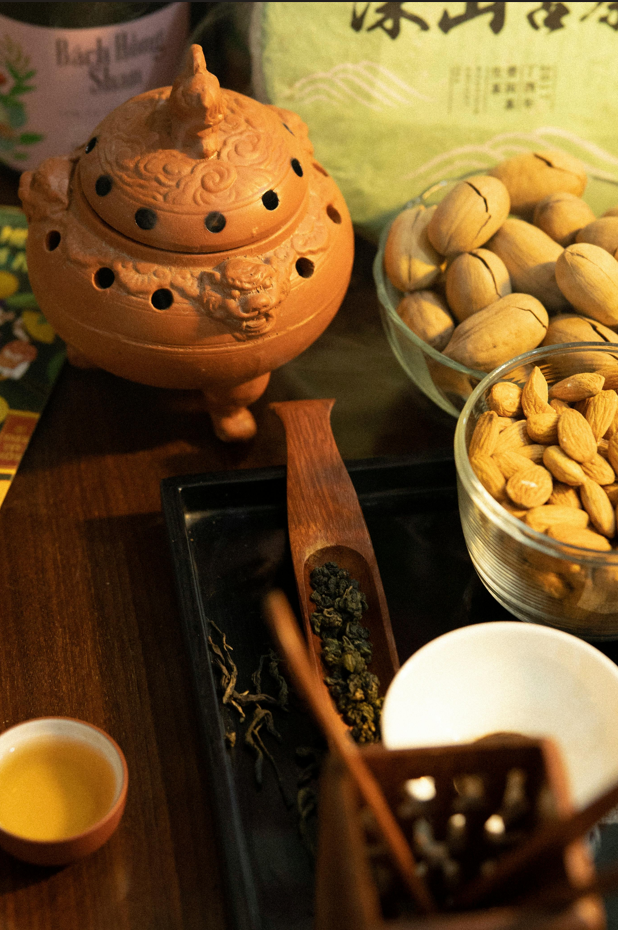
Oolong and green tea come from the same tea plant, but they differ mainly in oxidation and processing. Green tea is minimally oxidised and usually tastes fresher, grassier or more vegetal, while oolong is partially oxidised and can range from floral and creamy to roasted and full-bodied. Neither is inherently better; the right choice depends on flavour, brewing style and occasion.
Oolong and green tea are often discussed as separate categories, yet both begin with leaves from Camellia sinensis. Their differences develop after harvesting, when producers use heat, rolling, resting and oxidation to shape the final tea.
Green tea is generally processed quickly to limit oxidation. Oolong is deliberately allowed to oxidise to varying degrees before the process is stopped. This gives oolong a much wider flavour range, while green tea usually retains a brighter and more immediate expression of the leaf.
Oolong and Green Tea at a Glance
- Partially oxidised
- Can be floral, creamy, fruity or roasted
- Often suited to repeated infusions
- Ranges from light and delicate to deep and rich
- Minimally oxidised
- Often grassy, vegetal, marine or nutty
- Usually brewed with cooler water
- Commonly fresh, clean and brisk
What Is Oolong Tea?
Oolong is a partially oxidised tea positioned between green and black tea in processing, although its identity is more complex than that simple description suggests. Producers may bruise, roll, rest and roast the leaves in different ways, creating styles that vary dramatically.
Lightly oxidised oolongs can be fragrant, creamy and floral, with notes of orchid, lilac, butter or fresh fruit. More heavily oxidised or roasted examples may suggest honey, baked fruit, toast, nuts, charcoal or dark caramel.
Many oolongs are made from larger, carefully shaped leaves that open gradually in hot water. This makes them particularly rewarding across several short infusions, with each steep revealing a different balance of aroma, sweetness and structure.
What Is Green Tea?
Green tea is made by heating freshly harvested leaves soon after picking to slow the enzymes responsible for oxidation. Chinese green teas are often pan-fired, while many Japanese styles are steamed. These methods influence the finished flavour as strongly as origin and cultivar.
Pan-fired green tea can taste chestnut-like, soft and lightly toasted. Steamed green tea is often more vegetal, marine and vivid, with flavours that may suggest spinach, seaweed, sweet grass or fresh herbs.
Green tea can be delicate when brewed, particularly at high temperatures. Water that is too hot or an infusion that is too long may extract excessive bitterness and astringency, obscuring the tea’s natural sweetness.
Which Tea Suits Your Taste?
Choose the quality that matters most.
The Main Differences
Oxidation and processing
Green tea is heated early to preserve its green colour and limit oxidation. Oolong is intentionally oxidised before heating, sometimes only lightly and sometimes much more deeply. This wider processing range explains why two oolongs may taste less alike than an oolong and a green tea.
Flavour and aroma
Green tea often emphasises freshness, vegetation and gentle bitterness. Oolong commonly offers a rounder texture and greater aromatic development, ranging from flowers and cream to roasted fruit and wood.
Brewing temperature
Green tea generally performs best with cooler water, often below boiling. Oolong usually tolerates hotter water, especially when the leaves are tightly rolled or roasted. Exact temperatures should still be adjusted according to style and producer guidance.
Caffeine
Neither category always contains more caffeine. Leaf quantity, cultivar, harvesting standard, water temperature and steeping time all affect the cup. A concentrated green tea can contain more caffeine than a lightly brewed oolong, and the reverse can also be true.
Follow the Tea Leaf
Explore tea as part of a wider drinking culture
Tea is shaped not only by the leaf but by ritual, place and service. Continue through Destination Beverage for broader drink discovery, or explore how hospitality influences the experience of a carefully prepared drink at Somma Bar.
Which One Should You Choose?
Choose green tea when you want freshness, clarity and a more vegetal flavour profile. It works especially well as a morning or daytime tea and can feel clean and refreshing when served hot or chilled.
Choose oolong when you want greater aroma, texture and variation between infusions. Light oolong may appeal to green-tea drinkers, while roasted or heavily oxidised styles can suit those who usually prefer black tea.
Preparation also matters. Green tea rewards careful temperature control, whereas oolong often invites a slower session with repeated steeps. The better option is therefore not only about flavour, but also about how you prefer to drink tea.
The Final Verdict
The principal difference between oolong and green tea is oxidation. Green tea is minimally oxidised and generally fresher and more vegetal. Oolong is partially oxidised and offers a broader spectrum of floral, fruity, creamy and roasted flavours.
Both categories can be delicate or intense, simple or highly complex. Quality depends on cultivar, origin, harvest, processing, storage and brewing rather than the category name alone. This relationship between ingredient and method sits at the heart of The Drink Journal and its exploration of contemporary beverage culture.
Taste the Wider Story
Move from the leaf to the craft behind the drink
Read more about TDJ’s editorial approach, then explore how drinks are developed and interpreted through Studio Origin.
Frequently Asked Questions
Is oolong tea stronger than green tea?
Oolong may taste fuller or more aromatic, but it is not automatically stronger. Perceived strength depends on the tea style, leaf quantity, water temperature and steeping time.
Does oolong tea have more caffeine than green tea?
Not always. Caffeine varies according to cultivar, harvest, processing and brewing. Either tea can produce the more caffeinated cup depending on how it is prepared.
Which tea is less bitter?
Light oolong is often softer and less sharply bitter than green tea. However, well-brewed green tea can be sweet and balanced when made with cooler water and a shorter infusion.
Can oolong and green tea be brewed more than once?
Yes. Both can be reinfused, although oolong is particularly well known for repeated steeping. High-quality whole-leaf green tea may also remain expressive across several infusions.
Is oolong tea the same as green tea?
No. They come from the same plant, but their processing differs. Green tea is minimally oxidised, while oolong is partially oxidised and may also be rolled, rested or roasted to create a wider flavour range.
 Nicholas lin
I own Restaurants. I enjoy Photography. I make Videos. I am a Hungry Asian