How to Balance Acidity and Sweetness in Coffee Without Sugar

The funny thing about sugar is that it doesn’t really “fix” coffee. It mostly covers what the cup is trying to say. If your brew tastes too sharp, too sour, or like it has no comfort in the finish, adding sugar can make it easier to drink, but it also blurs the flavour and hides your ability to steer the cup.
Balancing acidity and sweetness without sugar is about one thing: extraction. Not gear. Not fancy techniques. Just learning how to pull enough sweetness out of the coffee so the acidity feels bright instead of aggressive.
If you’re new to the idea of coffee flavour as something you can shape, not just consume, start with A Beginner’s Guide to Understanding Specialty Coffee. It gives you the vocabulary and logic behind why some cups feel sharp while others feel smooth, even when they’re brewed from similar-looking beans.
Acidity vs Sourness, Sweetness vs Sugar
Let’s clean up the language first, because a lot of people chase the wrong fix.
Acidity in coffee can be beautiful. It can feel like citrus zest, green apple, berries, stone fruit, or floral lift. It gives structure, clarity, and energy. Sourness is what acidity becomes when the cup is underdeveloped or under-extracted. Sourness feels thin and spiky, like the coffee never became “whole.”
Sweetness in coffee is not dessert. It’s roundness. It’s the feeling that the cup has a soft centre. It’s a long finish that doesn’t collapse into harshness. When you say a coffee feels “balanced,” you often mean that the acidity has sweetness underneath it, like a cushion.
One of the simplest ways to understand this is by tasting classic formats across cultures and noticing how balance shows up in different styles. 20 Must-Try Classic Coffee Beverages From Around the World is useful here, because it reminds you that coffee isn’t meant to taste one way. It’s a whole spectrum of brightness, body, and sweetness.
The Real Cause of Sharp Coffee: Under-Extraction
If your coffee tastes too acidic and not sweet enough, the most common reason is under-extraction.
That means the water did not pull enough of the coffee’s soluble compounds, especially the sugars and deeper caramelised notes that bring sweetness and body. When that happens, acidity becomes the loudest thing in the cup, and it reads as “sour.”
Common under-extraction causes include:
Grind too coarse for the brew method. Brew time too short. Water too cool. Pouring too fast in pour-over. Not enough agitation in immersion brews.
You do not need to change beans yet. You do not need sugar. You need to extract a little more.
If you want a clear map of which levers actually change extraction, this guide is your best backbone: How to Choose the Right Brewing Method (Coffee Equipment Explained Simply).
The “No Sugar” Balancing Moves That Actually Work
Here are the adjustments that most reliably bring sweetness forward without flattening the cup.
Make the grind slightly finer
A finer grind increases surface area, which helps water pull more sweetness. Do this in small steps. If you jump too far, you can overshoot into bitterness or dryness, especially in pour-over.
What you’re looking for is a cup where the acidity still exists, but it feels supported. The bright notes should feel like fruit, not like lemon juice.
Extend brew time a little
If you’re brewing pour-over, a slightly slower pour and a steadier flow can extend contact time. If you’re brewing immersion, an extra 15 to 30 seconds can be enough to unlock sweetness.
Sweetness often appears late. If you cut the brew short, you’ll keep the “front” of the coffee (acidity) and miss the “middle and finish” (sweetness and body).
Use hotter water if the cup tastes thin
Cooler water tends to highlight acidity and reduce sweetness extraction. If your cup feels sharp and light, slightly hotter water can pull more sugars and deepen the finish.
You do not need to chase exact numbers here. You just need to notice the pattern: if it’s too bright and thin, you usually need a touch more extraction.
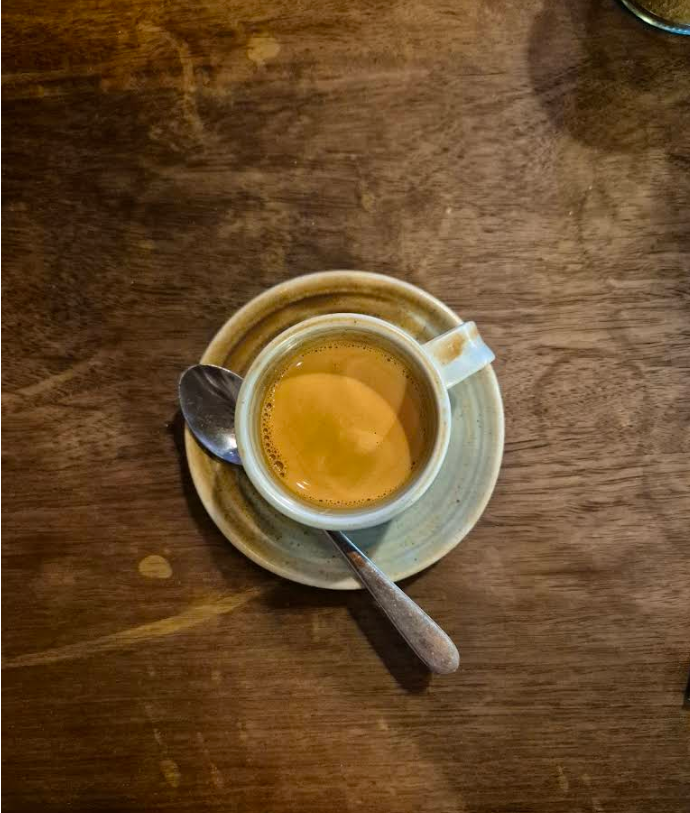
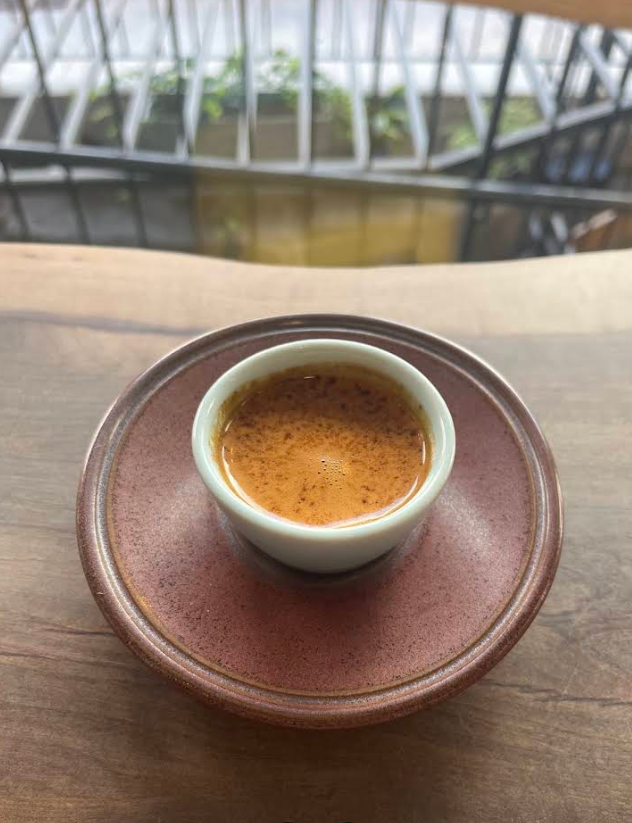
If espresso is part of your world, The Perfect Espresso (Italy) is a great reference for balance achieved through extraction control rather than sweetness additives.


Sweetness Often Shows Up as Texture First
This is where most people miss it. They look for sweetness as a flavour, like sugar. But coffee sweetness often arrives as mouthfeel.
A balanced cup feels smoother. It has more cohesion. The coffee feels “together.” Even if you can’t name the tasting notes, you’ll feel that the acidity doesn’t poke you anymore.
If your coffee feels watery or too quick to disappear, it’s often under-extracted or brewed too weak for that bean. If it feels harsh and drying, it may be over-extracted.
This is also why people misunderstand milk coffee. Milk adds sweetness by fat and lactose, but it also adds texture. Your goal here is to create a naturally sweet-feeling cup even when it’s black.
To train your palate toward this, build rituals around tasting slowly and intentionally. 20 Coffee Rituals, Habits & Moments Every Coffee Lover Should Experience is a surprisingly practical way to make that habit stick.
Try These “Reference Drinks” to Reset Your Palate
If you’re stuck in a loop where everything tastes sour unless you sweeten it, your palate may simply be calibrated toward sweetened coffee. The easiest way to reset is not to suffer through bad black coffee. It’s to drink balanced classics that are naturally round.
Two great references from the archive are:
Coffee Classics: Café au Lait (France), which teaches balance through softness and proportion, not sugar.
Coffee Classics: Cappuccino, which shows how sweetness can be experienced as texture and aroma, even when the coffee itself is not sweetened.
You’re not using these to add sugar. You’re using them to learn what “balanced” feels like in the mouth, then bringing that understanding back to your black brews.
A Simple “Taste Check” You Can Do Every Time
When your coffee feels too acidic and you want sweetness without sugar, ask three questions:
Does it feel thin and sharp? If yes, you likely need slightly more extraction: finer grind, hotter water, longer brew.
Does it feel heavy and drying? If yes, you may have pushed too far: slightly coarser grind or shorter brew.
Does it taste bright but also soft in the finish? If yes, you’re close. Don’t change everything. Make one small adjustment at a time.
Coffee is not a math problem. It’s a steering wheel.
Where The Drink Journal Fits In
If you enjoy the calm, culture-forward way we break drinks down, you can always start from The Drink Journal homepage and wander by mood, not category. And if you want to understand the editorial lens behind how we write about coffee, ritual, and flavour, About The Drink Journal shares the philosophy.