When Coffee, Craft, and Balance Matter: Evaluating Kopi-O
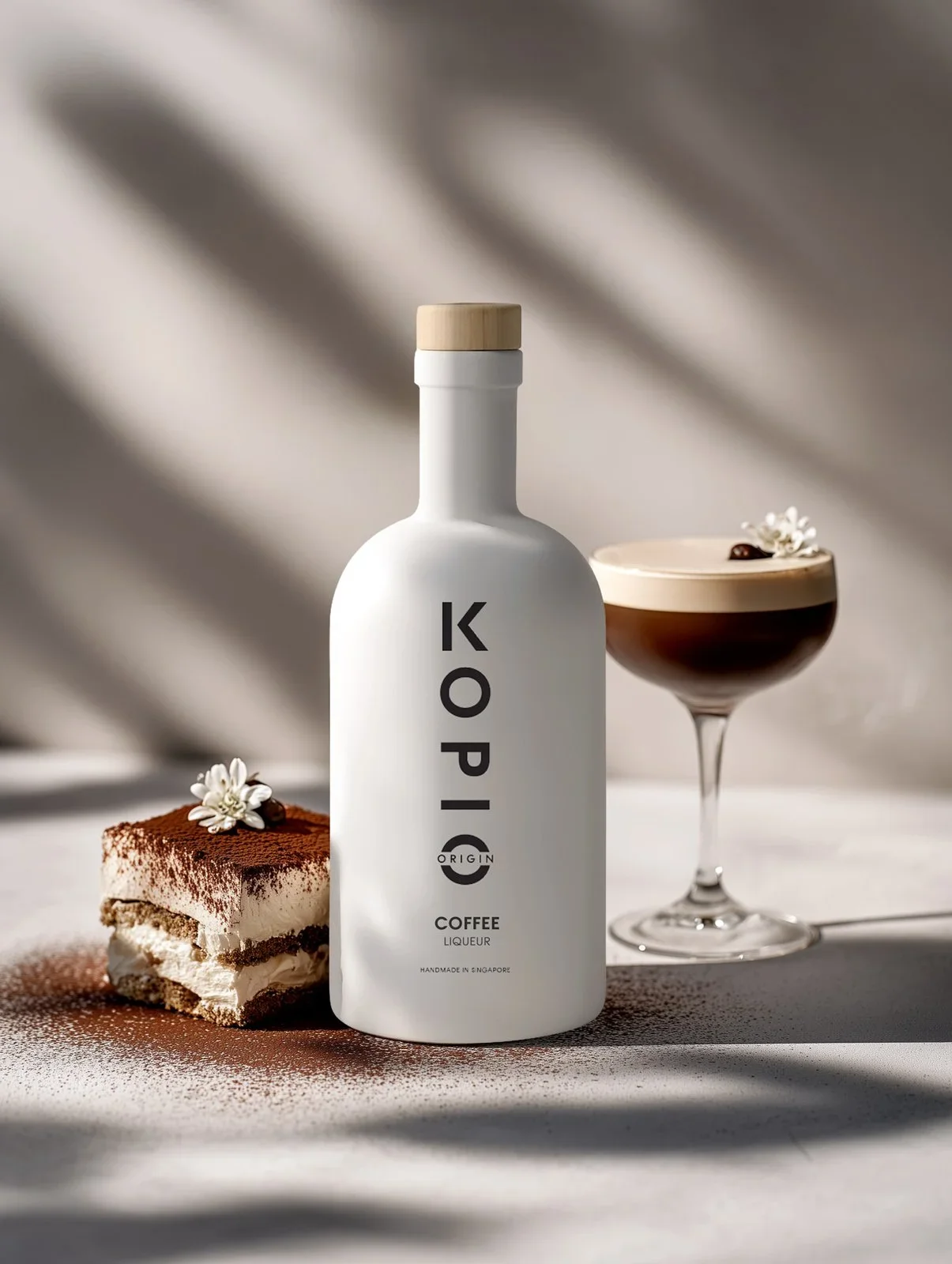
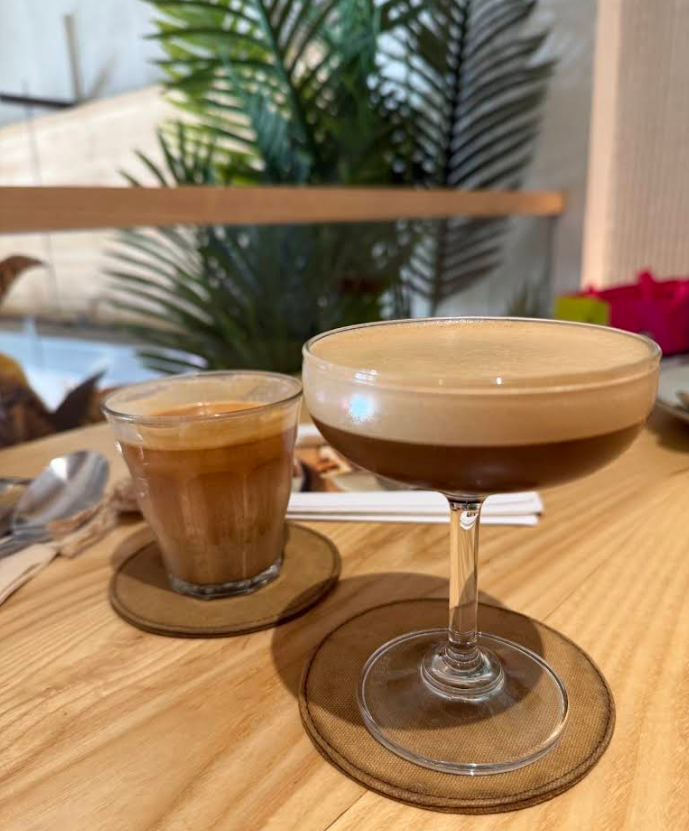
Coffee liqueur sits at an interesting crossroads. It borrows from café culture, lives on the back bar, and often drifts into dessert territory without fully belonging to any of them. Evaluating one properly means asking a few quiet but important questions. Does it respect coffee as a flavour. Does it behave like a serious ingredient. And does it hold balance when the glass is no longer doing it any favours.
Kopi-O invites that kind of evaluation.
Rather than leaning on sweetness or theatrics, it places craft and restraint at the centre of its identity. That choice matters more now than ever, especially as bars move away from novelty-driven menus and toward drinks that are meant to be revisited rather than photographed once.
Coffee that leads, not sugar
The first thing that stands out when evaluating Kopi-O is what it does not do. It does not rush sweetness forward. It does not mask bitterness. It does not try to turn coffee into a confection.
Instead, coffee leads the experience. The aroma is familiar and grounded, closer to brewed coffee than dessert toppings. On the palate, bitterness is present but controlled, with sweetness acting as a stabiliser rather than a focal point. The finish is clean enough to reset the palate, which is a small but meaningful detail in a category known for lingering heaviness.
This kind of balance is increasingly valued in the bars featured across The Drink Journal, where drinks are built to complement a menu rather than overwhelm it. In venues like those explored in Vesper Bangkok, restraint often carries more weight than intensity. Kopi-O feels aligned with that thinking.
Craft that shows through behaviour
Craft in spirits is often discussed in abstract terms, but it becomes tangible when a product behaves predictably in real use. Kopi-O shows its craft not through complexity, but through consistency.
In cocktails, it integrates without demanding attention. It adds depth without flattening acidity. It supports structure rather than distorting it. This makes it particularly useful in coffee-forward cocktails that aim to feel composed rather than indulgent.
That behaviour is exactly what modern bars look for, especially in hotel bars and multi-concept venues where one ingredient may be used across several formats. Kopi-O works in stirred drinks, lighter shaken serves, spiked coffee applications, and even as a neat or over-ice pour without feeling out of place.
You see a similar approach to flavour management in café-bar hybrids like The Fitz Café & Rooftop Bar in Melbourne, where coffee culture and cocktail craft coexist without one overpowering the other.
If you enjoy understanding why certain flavours succeed quietly rather than loudly, spending time with the long-form features on The Drink Journal offers useful perspective.
Balance as a long-term decision
Balance is not just a tasting note. It is a strategic choice. Bars choose balanced ingredients because they age well on menus. They survive trend cycles. They allow creativity without forcing reinvention every season.
Kopi-O fits that long-term mindset. It does not rely on being surprising after the first sip. Instead, it remains relevant after repeated use. Bartenders do not need to compensate for excess sugar or artificial notes. Chefs can use it in desserts without worrying about overpowering other elements.
This makes it particularly appealing in programs that value continuity, where a coffee liqueur is expected to earn a permanent place on the shelf rather than rotate out after a season.
Rooted in real coffee culture
Part of what gives Kopi-O credibility is how clearly it reflects real coffee culture. In Singapore, coffee is not ceremonial or occasional. It is everyday. Expectations are shaped by familiarity rather than novelty.
Kopi-O respects that reality. It tastes recognisable without being literal. It feels modern without being detached from its roots. That grounding gives it a sense of place that reads as confident rather than performative.
Behind this approach is the broader creative direction of Origin Crafted, expressed through its work at Studio Origin. The emphasis is on refinement and intention, which shows through in how Kopi-O presents itself both in flavour and positioning.
For bars and hospitality groups evaluating it as a working ingredient, availability and clarity matter. Origin Crafted’s trade and retail platform positions Kopi-O clearly as a professional option rather than a limited curiosity.
Evaluation beyond the glass
Evaluating Kopi-O ultimately comes down to how well it aligns with the way bars operate today. It respects coffee. It behaves predictably. It supports balance rather than fighting it.
Those qualities may not generate immediate spectacle, but they generate trust. And in a crowded category, trust is often the most valuable currency of all.
Kopi-O does not attempt to redefine coffee liqueur. It refines it. That distinction is subtle, but it is exactly what makes the difference between a bottle that gets tasted once and a bottle that stays on the shelf.
To explore Kopi-O on its own terms, visit Kopi-O here, then continue discovering how coffee, craft, and balance shape modern drinks culture through the in-depth features on The Drink Journal.