Food Safety, Speed, and Stability: Rethinking Foam Behind the Bar

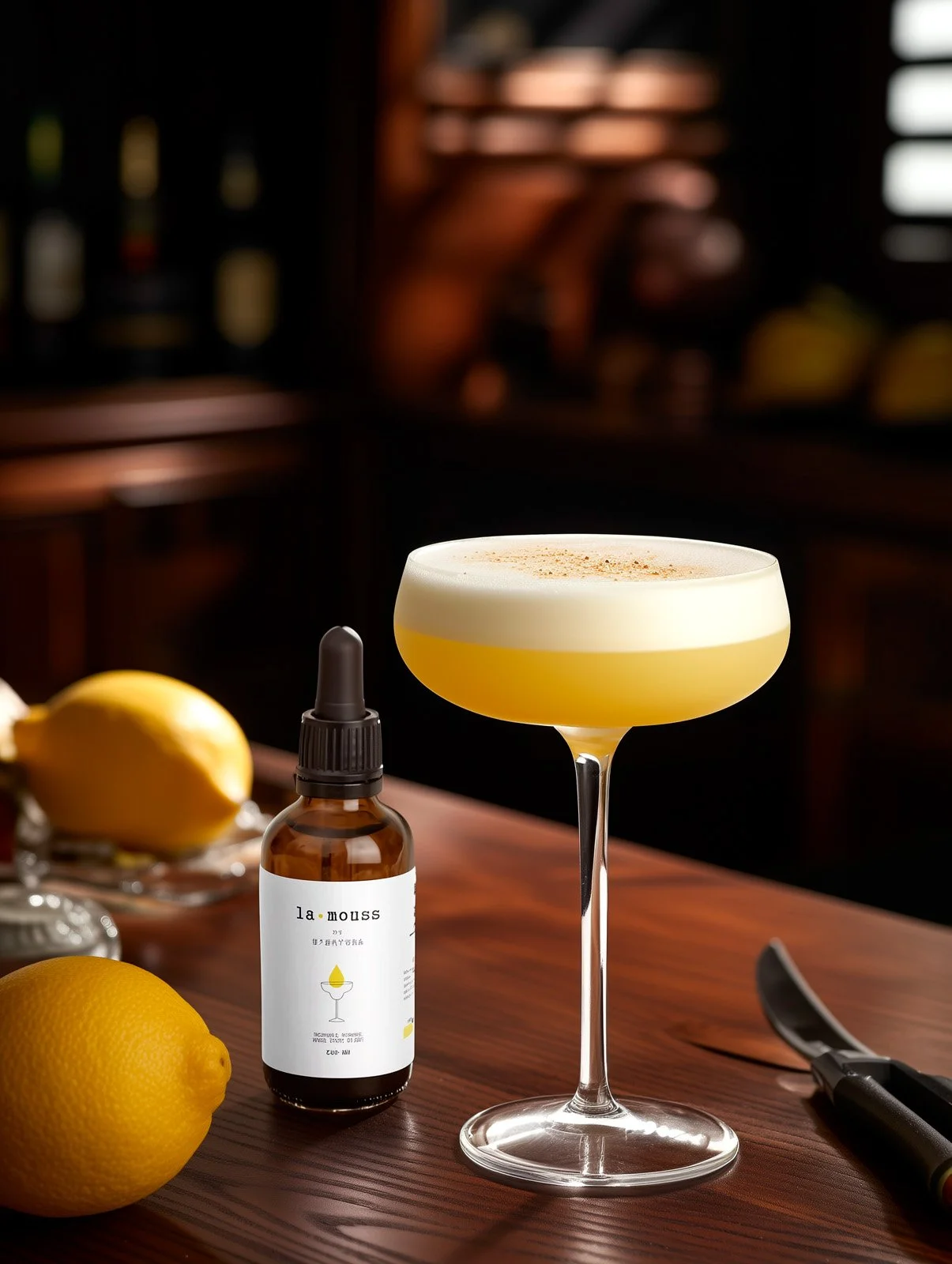
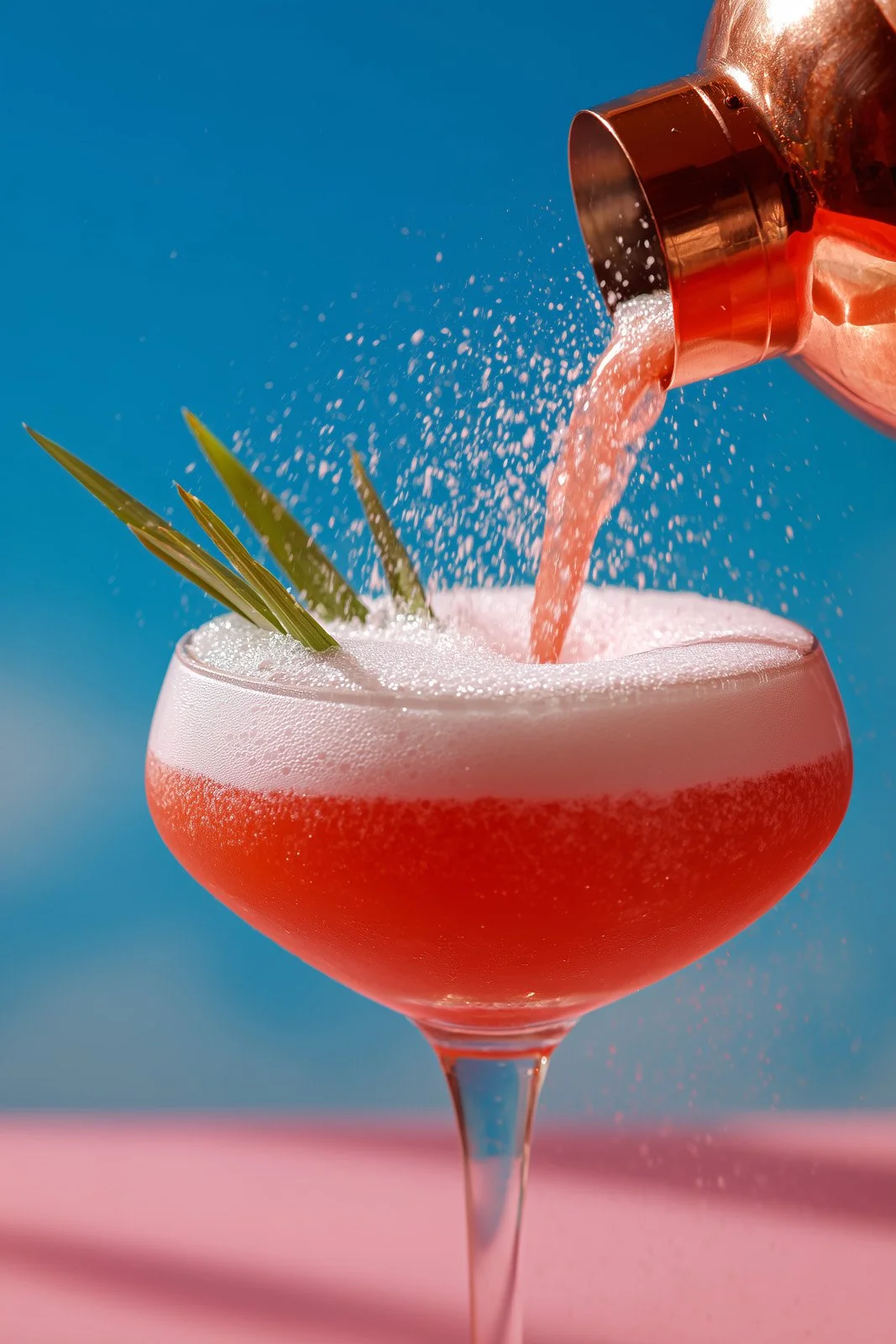
Behind the bar, food safety rarely gets the spotlight, yet it underpins every successful service. When safety protocols collide with speed and consistency, something usually has to give. In recent years, many bars have begun rethinking one small but influential component of their workflow: cocktail foam. The move away from egg whites and toward shelf-stable alternatives such as La Mouss reflects a broader shift toward safer, faster, and more stable operations.
At The Drink Journal, we view this change not as a trend, but as a practical response to how modern bars actually function.
Food Safety Starts With Ingredient Choice
Egg whites introduce food safety considerations the moment they enter the bar. They require refrigeration, careful separation, and strict hygiene practices to avoid contamination. During busy service, these requirements are difficult to enforce consistently, especially across multiple shifts.
Shelf-stable foaming agents remove much of that risk. La Mouss can be stored at room temperature and used without additional handling steps. There is no shell contact, no raw protein exposure, and no uncertainty about freshness. From a safety standpoint, fewer risk factors mean fewer points of failure.
For bars operating long hours or high turnover, this simplification matters.
Speed Without Compromise
Speed is often framed as the enemy of quality, but in reality, speed and safety are closely linked. The more steps an ingredient requires, the more opportunities there are for mistakes.
Egg whites slow service in subtle ways. They need inspection, separation, and more thorough cleaning after use. Each of these steps interrupts flow, especially when orders stack up.
La Mouss eliminates those interruptions. It is ready to use, easy to dose, and behaves consistently from drink to drink. Bartenders build, shake, and serve without pausing to assess condition or adjust technique. This efficiency supports faster service without cutting corners.
Stability Across the Shift
Stability is where food safety and speed intersect. Ingredients that change over time require constant monitoring. In a bar environment, that monitoring often slips during peak hours.
La Mouss remains stable throughout service. There is no degradation, separation, or spoilage window to manage. What works at opening works the same way at last call. This stability allows bartenders to focus on execution rather than ingredient management.
Classic cocktails expose instability quickly. The Whiskey Sour, for example, relies heavily on foam performance. We explore its structure and execution in our Whiskey Sour cocktail archive, where consistency is key to balance. Stable foam protects that balance even under pressure.
Safety Improves When Systems Simplify
Food safety is strongest when systems are simple. Reducing steps often reduces risk more effectively than adding rules.
Cleaner Tools, Safer Stations
Egg white residue clings to shakers, strainers, and bar tops. During a rush, that residue spreads quickly and is not always cleaned immediately. Over time, this increases sanitation risk and slows tool rotation.
La Mouss rinses clean. There is no protein film and no lingering aroma on equipment or cloths. Stations stay cleaner throughout service, and tools move back into use faster. Cleaner stations support safer service, especially when volumes are high.
Neutral Foam Reduces Handling
Food safety is also affected by how often bartenders need to adjust drinks. Egg whites introduce flavour and softness that sometimes require rebalancing citrus or sweetness. These adjustments increase handling and touchpoints.
La Mouss is neutral in both aroma and taste. Recipes behave as designed, without compensation. Bartenders make fewer adjustments, touch fewer tools, and move more efficiently. Reduced handling lowers the chance of contamination.
This philosophy aligns with how professionals already manage other safety-sensitive variables, such as ice. We have explored this discipline in our guide on using ice to control dilution in cocktails, where control and cleanliness go hand in hand.
Presentation That Holds Up Safely
Safety improvements should not come at the expense of presentation. Foam must remain stable long enough to reach the guest without collapsing or separating.
La Mouss produces fine-textured foam that holds its shape through service. This stability supports consistent garnish placement and glassware choice, reducing the need for remakes. We often discuss this relationship between structure and presentation in our feature on choosing the right glass for any cocktail.
Fewer remakes mean less waste and less repeated handling.
Designed for Modern Bar Conditions
La Mouss was developed with professional environments in mind. It integrates seamlessly into existing recipes, simplifies sanitation routines, and supports faster, safer service.
Bartenders curious about its role in daily operations can explore how to use La Mouss, along with insight into why La Mouss was developed and where to find La Mouss. A full overview is available on the La Mouss official website.
Final Thoughts: A Safer Way Forward
Food safety, speed, and stability are not competing priorities. When ingredients are chosen thoughtfully, they reinforce one another.
By moving beyond egg whites and adopting shelf-stable foaming agents like La Mouss, bars reduce risk, increase efficiency, and create a calmer service environment. Foam becomes what it should always have been: a supporting element that enhances the drink without complicating the operation.
That balance is what modern bars are striving for, and it is exactly the kind of shift we continue to observe and document at The Drink Journal.