12 Flavour Pairings Bartenders Rely On Again and Again
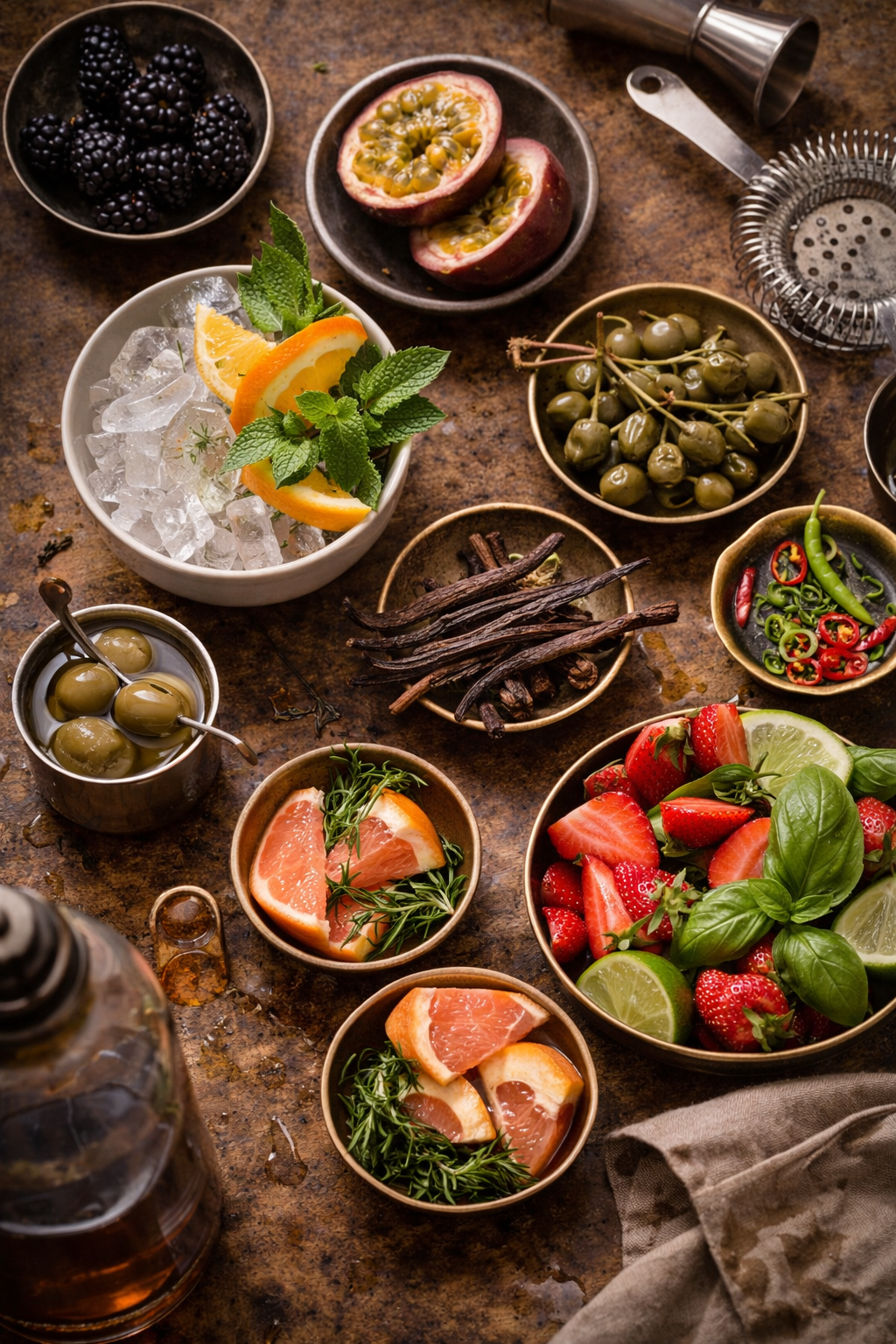
Great cocktails are rarely built from novelty.
Behind most menus, bartenders return to the same flavour pairings repeatedly, not because they lack imagination, but because certain combinations work across spirits, formats, and cultures. These pairings create balance, extend aroma, and make drinks feel complete rather than clever.
Understanding these foundations helps you read menus better, order more confidently, and recognise quality even when the drink is unfamiliar.
1. Citrus and Sugar
This is the backbone of countless cocktails.
Acidity provides lift. Sweetness provides structure. Together, they frame the spirit without masking it. When balanced correctly, neither element announces itself. The drink simply feels right.
This pairing underpins everything from sours to highballs and remains one of the most reliable structures in cocktail history.
Whiskey Sour, United States
2. Spirit and Bitterness
Bitterness gives alcohol direction.
Rather than softening spirit, bitterness shapes it, stretching the finish and sharpening perception. This pairing creates drinks that feel composed and adult rather than sweet or aggressive.
The Negroni family is built entirely on this relationship.
Negroni, Italy
3. Sweet Vermouth and Dark Spirits
Sweet vermouth bridges strength and softness.
Its herbal sweetness rounds darker spirits like whiskey and rum while adding depth and aromatic complexity. This pairing creates drinks that feel rich without heaviness.
Classic stirred cocktails rely on this balance to maintain elegance.
Manhattan, United States
4. Bubbles and Acidity
Carbonation lifts acidity and spreads aroma.
Bubbles make drinks feel lighter, fresher, and more social. Acidity keeps sparkling cocktails from tasting flat or sugary.
This pairing excels in aperitif-style drinks that are meant to refresh rather than dominate.
Aperol Spritz, Italy
5. Fruit and Bitterness
Fruit without bitterness can feel one-dimensional.
Bitterness reins in sweetness, adds tension, and prevents fruit from becoming cloying. This pairing creates drinks that evolve across the palate instead of peaking early.
It is a staple in modern classics that feel both approachable and structured.
Paper Plane, United States
6. Citrus Peel and Aromatic Spirits
Peel is about aroma, not juice.
Expressed oils redirect the nose, reshaping how sweetness and alcohol are perceived. This pairing is subtle but powerful, often changing a drink without altering its body.
Many spirit-forward classics rely on citrus peel to complete the experience.
Old Fashioned, United States
7. Herbs and Fresh Acidity
Fresh herbs lift citrus.
Together, they create brightness without sharpness and complexity without heaviness. This pairing feels lively and clean when used carefully.
Mint-based classics demonstrate how freshness can carry structure rather than overwhelm it.
Mint Julep, United States
8. Fortified Wine and Bitters
Fortified wines add body and depth.
Bitters sharpen focus and extend the finish. This pairing creates layered drinks that feel contemplative rather than refreshing.
It is a foundation for low-ABV cocktails that still feel complete.
Americano, Italy
9. Stone Fruit and Dry Spirits
Stone fruit flavours soften sharp spirits.
Apricot, peach, and cherry notes create warmth and roundness without heavy sweetness. This pairing works especially well with gin and lighter whiskies.
It appears often in elegant, aromatic cocktails.
Bellini, Italy
10. Spice and Sweetness
Spice needs sweetness to feel integrated.
Without it, spice becomes harsh or distracting. With it, warmth spreads gently across the palate.
This pairing adds depth and length rather than heat. It is often used subtly rather than announced.
11. Acid and Salinity
Salt sharpens perception.
Used sparingly, salinity enhances sweetness, suppresses bitterness, and increases mouthfeel. Acid keeps the pairing from feeling heavy.
This combination creates drinks that feel vibrant and savoury without tasting salty.
12. Dilution and Time
Time is a pairing.
Dilution changes texture, aroma, and balance. Many cocktails are designed to open gradually, revealing themselves sip by sip.
Bars that respect this pairing build drinks meant to evolve rather than impress instantly.
How to Use Ice to Control Dilution in Cocktails
Final Thought
Bartenders rely on these pairings not because they are safe, but because they are structural.
Once you recognise them, menus become easier to read, unfamiliar drinks feel less risky, and quality becomes easier to sense without explanation.
Flavour is not about invention alone.
It is about knowing which relationships endure.
👉 Explore more cocktail structure, classics, and bar culture at
The Drink Journal