10 Tea Practices That Quietly Transform How Tea Tastes (And Why Most People Miss Them)
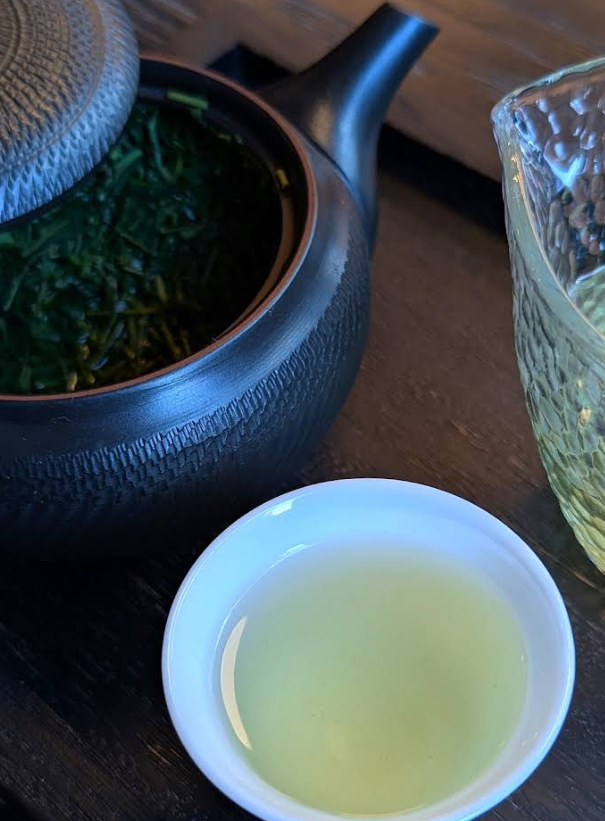
Tea doesn’t change dramatically all at once. It shifts slowly, almost imperceptibly, shaped by habit, timing, and attention. What separates casual tea drinking from a truly satisfying tea practice isn’t rare leaves or perfect tools — it’s awareness of the moments most people rush through.
These ten practices don’t make tea louder.
They make it clearer.
1. Warming Everything Before Brewing
Teaware absorbs heat long before it touches liquid. When cups, pots, and gaiwans are cold, they steal energy from the water — flattening aroma and muting texture.
By warming your teaware first, you stabilise the brewing environment. Leaves open more evenly. Aromatics linger instead of escaping. Mouthfeel feels fuller, rounder, more intentional.
This step doesn’t add complexity.
It removes friction.
2. Treating the First Infusion as an Introduction, Not the Point
Many people judge a tea too early. The first infusion often carries restraint — a tightening of flavour, a cautious opening. Especially with oolongs, pu’er, and aged teas, depth arrives later.
Thinking of the first steep as an introduction shifts expectations. Instead of chasing impact, you listen for structure: clarity, bitterness, mineral notes, and early sweetness.
Tea isn’t meant to impress immediately.
It’s meant to unfold.
3. Drinking Tea as It Cools, Not Only While It’s Hot
Heat dominates flavour. When tea cools, subtle notes — florals, dried fruit, nuttiness — become clearer. What tasted sharp at first may soften. What seemed muted may surface.
Sipping tea across a temperature range reveals its architecture. You begin to understand which flavours are structural and which are heat-dependent.
Cooling isn’t a mistake.
It’s a second tasting window.
4. Using Less Leaf to Gain More Information
Overloading leaf forces intensity before understanding. With less leaf, balance becomes visible. Bitterness shows its edges. Sweetness emerges naturally rather than through force.
Using restraint teaches you how a tea behaves rather than how hard it can hit. Once you understand its baseline, intensity becomes a choice — not a crutch.
Power is optional.
Clarity is foundational.
5. Brewing the Same Tea Repeatedly Instead of Constantly Switching
Novelty teaches quickly, then stops. Familiarity teaches slowly, then deeply.
Brewing the same tea over multiple sessions reveals how water, mood, timing, and environment alter perception. You begin to recognise when you are changing — not the tea.
This repetition builds intuition faster than chasing new leaves ever could.
Tea becomes a reference point, not a distraction.
6. Listening to the Pour
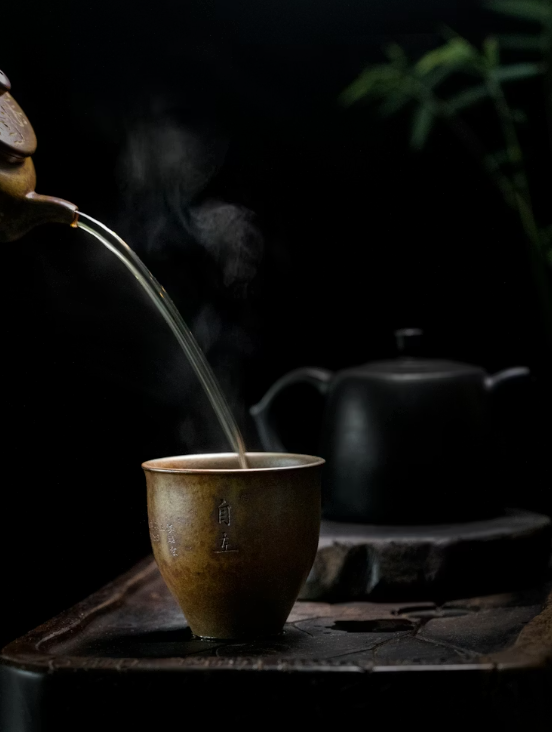
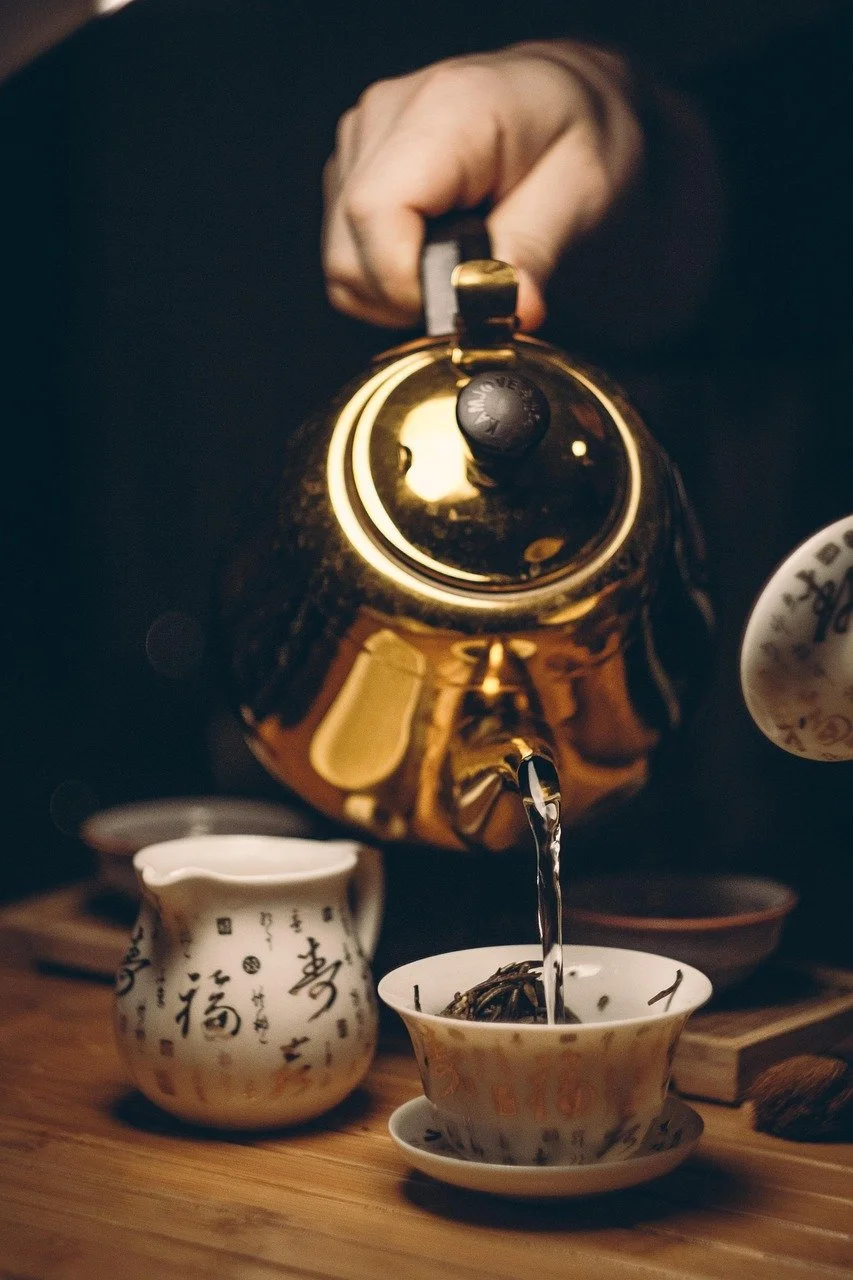
The sound of water tells you about temperature, speed, and intention. A violent pour agitates leaves differently than a soft one. A rushed kettle sounds different from a patient pour.
Listening anchors you in the act. It slows the process without adding steps. Over time, your hands adjust instinctively.
Tea brewing becomes embodied, not procedural.
7. Ending a Session Before the Tea Is Fully Exhausted
Not every leaf needs to be pushed to silence. Some teas offer their most meaningful expressions early and then gently fade.
Stopping while flavour still lingers preserves memory. The tea remains complete rather than overextended.
Restraint respects the leaf — and the drinker.
8. Drinking Tea Without Sweeteners Long Enough to Reset
Sweeteners mask imbalance. Temporarily removing them retrains the palate to notice natural sugars, bitterness, and mineral structure.
This doesn’t mean sweeteners are forbidden. It means they’re used intentionally, not habitually.
After a reset, sweetness becomes a choice — not a dependency.
9. Letting Someone Else Brew for You
Surrender reveals assumptions. When someone else controls timing, leaf, and pour, you notice differences you might never allow yourself.
This teaches adaptability and humility — two overlooked skills in tea drinking.
Tea isn’t only about control.
It’s about responsiveness.
10. Remembering the Final Cup
The last cup often carries quiet resolution. The sharp edges are gone. Texture softens. What remains is structure and memory.
Noticing this moment completes the session emotionally, not just technically.
Tea ends not when the leaves are empty — but when attention feels satisfied.
Why These Practices Matter
Tea doesn’t reward urgency. It rewards presence. These practices don’t complicate tea — they remove noise. Over time, they transform tea from a beverage into a rhythm.